

Common Conveying Methods for Lithium-Ion Battery Materials: An Introduction to Pneumatic Conveying
HeadPowder, a leading provider of material handling solutions, specializes in advanced conveying technologies tailored for the lithium-ion battery industry. With a focus on efficiency, precision, and reliability, the company offers innovative solutions that address the unique challenges of processing materials used in modern battery production. This article explores common conveying methods for lithium-ion battery materials, with a particular emphasis on the benefits and applications of pneumatic conveying systems.
Understanding Lithium-Ion Battery Material Handling Requirements
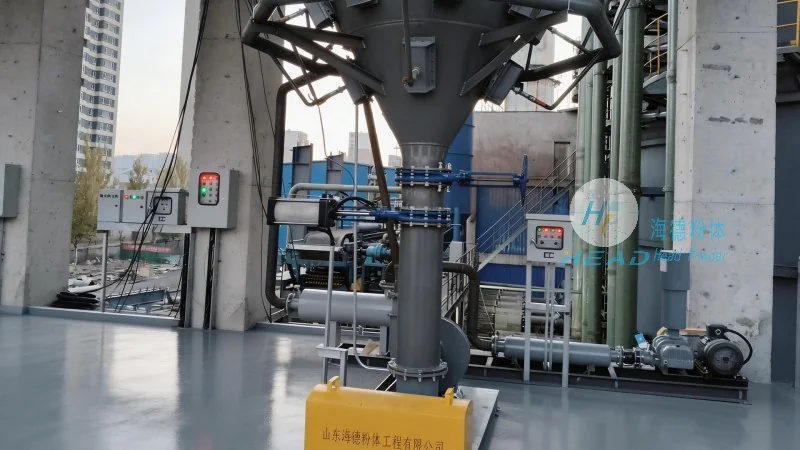
Lithium-ion battery manufacturing involves the handling of various raw materials and intermediates, each with distinct properties that impact the choice of conveying method. These materials often include powders, granules, and fine particles, which require specialized equipment to ensure minimal degradation, contamination, and loss during transport. The demand for high-purity materials and consistent quality control in battery production makes the selection of an appropriate conveying system critical to overall operational efficiency.
Common Conveying Methods for Lithium-Ion Battery Materials
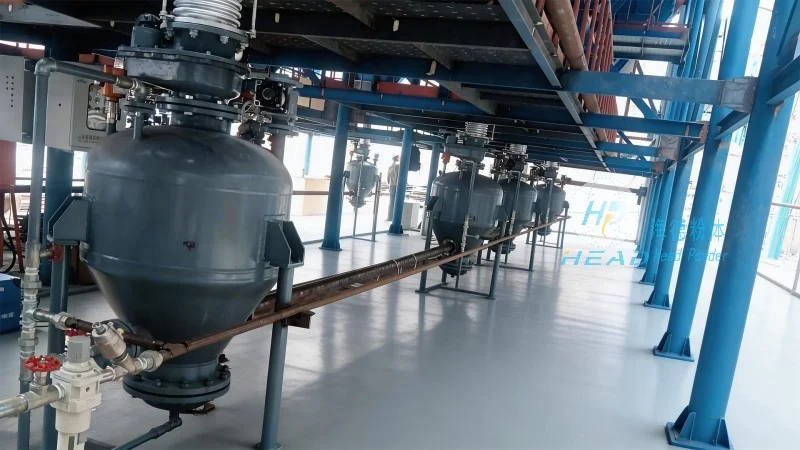
Several methods are employed in the lithium-ion battery material handling process, each with its own advantages and limitations. Traditional methods such as belt conveyors and screw conveyors are widely used for bulk material transport. However, these systems may not be suitable for fine powders or materials that are sensitive to moisture or air exposure. Pneumatic conveying, vacuum or pressure-based, has emerged as a preferred solution for many applications due to its ability to handle delicate materials while maintaining cleanliness and process control.
Pneumatic Conveying: A Comprehensive Overview
Pneumatic conveying systems utilize air or gas to transport materials through a pipeline network. This method is particularly effective for lithium-ion battery materials, which often include powders like lithium carbonate, nickel oxide, and cobalt oxide. The technology offers several key advantages, including the ability to transport materials over long distances, handle fine powders without segregation, and maintain a closed system that prevents contamination from external sources. HeadPowder's pneumatic conveying solutions are designed to meet the specific needs of battery manufacturers, providing customizable systems that ensure optimal material flow and minimal downtime.
Key Features of Pneumatic Conveying Systems for Battery Materials
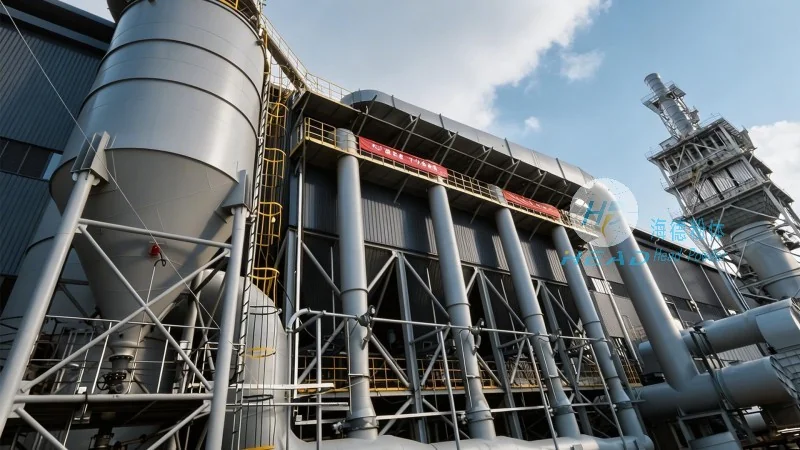
HeadPowder's pneumatic conveying systems for lithium-ion battery materials are equipped with advanced features that enhance performance and reliability. These systems typically include high-efficiency air compressors, precise control valves, and specialized hopper designs to minimize material bridging and agglomeration. The use of stainless steel or food-grade materials in the construction of the conveying lines ensures compliance with industry standards for purity and hygiene. Additionally, the systems are designed with easy maintenance in mind, featuring accessible components and automated monitoring to detect and address issues promptly.
Applications in Lithium-Ion Battery Production
Pneumatic conveying is widely used in various stages of lithium-ion battery production. For instance, it is commonly employed to transport raw materials from storage silos to mixing and blending equipment. The system can also be used to move intermediate products between processing steps, such as from a drying unit to a coating machine. In the final stages of production, pneumatic conveying is utilized to transport finished battery components or materials for quality control testing. The versatility of pneumatic conveying makes it an essential component in modern battery manufacturing facilities.
Advantages of Choosing Pneumatic Conveying for Lithium-Ion Battery Materials
Compared to other conveying methods, pneumatic conveying offers several distinct advantages for lithium-ion battery material handling. One of the primary benefits is the ability to handle fine powders and delicate materials without causing particle degradation or loss. The closed system design prevents contamination from dust or moisture, which is critical for maintaining the high purity required in battery production. Additionally, pneumatic conveying systems can be integrated with other process equipment, allowing for seamless material flow and reduced labor costs. The energy efficiency of modern pneumatic systems, particularly vacuum-based designs, further contributes to lower operational costs and environmental impact.
Customization and Integration with HeadPowder Solutions
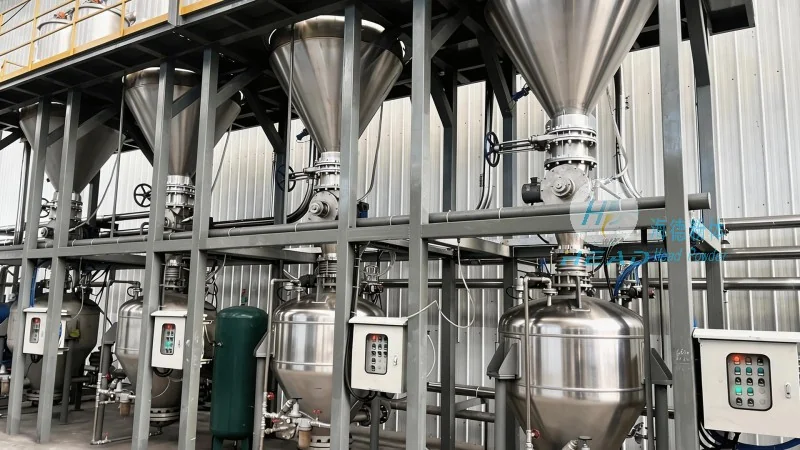
HeadPowder understands that each lithium-ion battery manufacturer has unique operational requirements. Therefore, the company offers customized pneumatic conveying solutions tailored to specific production needs. These solutions can be designed to handle varying material types, flow rates, and distances, ensuring optimal performance in any production environment. The company's engineering team works closely with clients to assess their material handling challenges and develop comprehensive solutions that integrate seamlessly with existing production lines. This approach not only improves material transport efficiency but also enhances overall production throughput and product quality.
Conclusion: Enhancing Lithium-Ion Battery Production with Advanced Conveying
In conclusion, the choice of conveying method for lithium-ion battery materials significantly impacts the efficiency, quality, and cost-effectiveness of battery production. Pneumatic conveying, with its ability to handle delicate materials in a closed, controlled environment, has become a preferred solution for many manufacturers. HeadPowder, with its expertise in material handling technologies, provides reliable and efficient pneumatic conveying systems that meet the demanding requirements of the lithium-ion battery industry. By investing in advanced conveying solutions, battery manufacturers can enhance their operational performance, ensure product quality, and maintain a competitive edge in the market.