

Common Cement Clinker Conveying Methods: An Overview of Pneumatic Conveying Systems for Cement Clink
When it comes to transporting cement clinker, selecting the right conveying method is crucial for efficiency, cost-effectiveness, and operational safety. Cement clinker, a key raw material in cement production, requires reliable and efficient transportation from production sites to storage or processing facilities. Various methods are employed in the industry, each with its own advantages and applications. This article explores common cement clinker conveying methods, with a focus on the benefits and applications of pneumatic conveying systems.
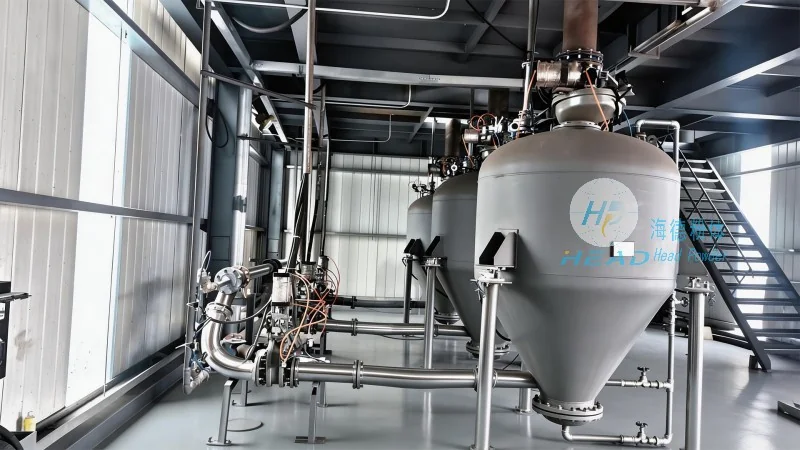
Understanding Cement Clinker and Conveying Needs
Cement clinker is a hard, nodular material formed by sintering limestone and clay at high temperatures in a kiln. It is a crucial intermediate product in the cement manufacturing process, and its transportation is critical to the overall efficiency of the production line. The choice of conveying method depends on factors such as the distance to be covered, the volume of material, the need for dust control, and the environmental regulations in the area. Different industries and applications may favor different methods, but all aim to ensure that the material is moved safely and efficiently.
Common Cement Clinker Conveying Methods
Several methods are commonly used for cement clinker transportation, including mechanical conveyors, pneumatic conveying systems, and hydraulic systems. Each method has its own set of characteristics and is suitable for different scenarios.
1. Mechanical Conveyors: Traditional and Reliable
Traditional mechanical conveyors, such as belt conveyors, screw conveyors, and bucket elevators, have been used for decades in the cement industry. These systems are generally reliable and can handle large volumes of material. Belt conveyors, for example, are widely used for horizontal and inclined transport of clinker. They are simple in design, easy to maintain, and can operate continuously with minimal downtime. However, mechanical conveyors may face challenges when dealing with abrasive materials like clinker, which can cause wear and tear on components. Additionally, they may require more space and may not be suitable for long-distance or complex route applications.
2. Pneumatic Conveying Systems: The Modern Solution
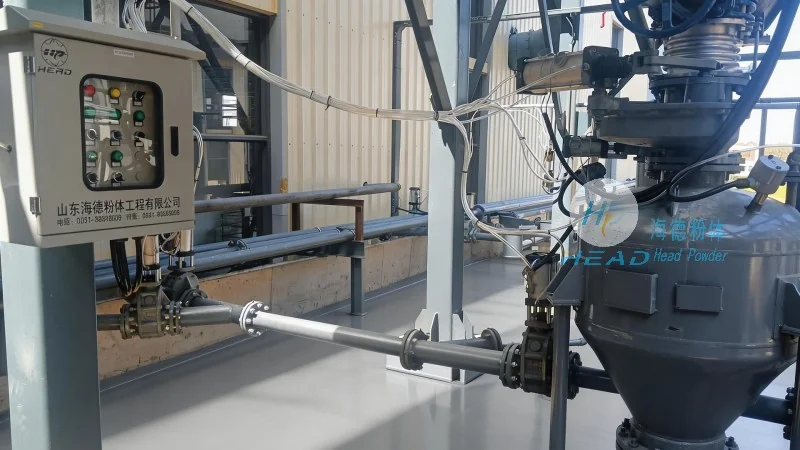
Pneumatic conveying systems have gained significant popularity in recent years due to their flexibility, efficiency, and ability to handle fine or abrasive materials. These systems use air or other gases to transport the material through a pipeline. There are two main types of pneumatic conveying: pressure and vacuum systems. Pressure systems use compressed air to push the material forward, while vacuum systems use a vacuum to pull the material through the line.
For cement clinker, pressure pneumatic conveying is often preferred because it can handle high volumes and long distances with minimal pressure loss. The system typically consists of a hopper, a feeder, a pipeline, and a receiver. The clinker is fed into the hopper, and then a feeder controls the flow into the pipeline. Compressed air is then introduced to push the material through the pipeline to the receiver. Pneumatic conveying offers several advantages, including reduced dust generation compared to mechanical systems, lower maintenance costs, and the ability to transport material over long distances without the need for multiple transfer points.
3. Hydraulic Conveying: Less Common but Effective
Hydraulic conveying systems use water or other liquids to transport the material. These systems are less common in the cement industry due to the high cost and complexity of the equipment. However, they can be effective for transporting fine or wet materials. The material is mixed with water and then pumped through a pipeline. The system requires careful control of the water-to-material ratio to ensure proper flow and prevent clogging. Hydraulic conveying is generally used for short distances and in specific applications where other methods are not feasible.
Advantages of Pneumatic Conveying for Cement Clinker
Among the various conveying methods, pneumatic conveying stands out for its suitability for cement clinker. The key advantages include:
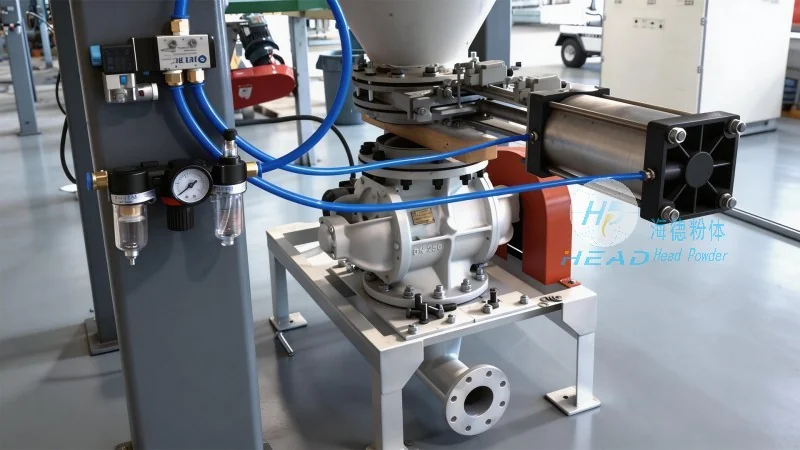
Efficiency and Speed: Pneumatic systems can transport large volumes of material quickly and efficiently, reducing production downtime.
Dust Control: The enclosed pipeline system minimizes dust emissions, improving workplace safety and compliance with environmental regulations.
Flexibility: Pneumatic systems can be easily reconfigured to change the route or distance of material transport, making them adaptable to changing production needs.
Low Maintenance: With fewer moving parts compared to mechanical conveyors, pneumatic systems require less maintenance and have lower operational costs over time.
Applications of Pneumatic Conveying in Cement Production
Pneumatic conveying is widely used in various stages of cement production. For example, it can be used to transport clinker from the kiln to the storage silos, from storage to the grinding plant, or from the grinding plant to the packaging facility. The system can also be used to transport clinker between different production lines or facilities, enabling seamless integration of operations.
Conclusion
Choosing the right cement clinker conveying method is essential for the smooth operation of cement production facilities. While mechanical conveyors remain a reliable option, pneumatic conveying systems offer significant advantages in terms of efficiency, dust control, and flexibility. For many modern cement plants, pneumatic conveying has become the preferred method for transporting clinker. As the industry continues to evolve, advancements in technology will further enhance the capabilities of these systems, ensuring they remain a key component in cement production.