

How to Design a Reasonable Fertilizer Pneumatic Conveying System Plan?
When it comes to optimizing fertilizer handling and transportation, the design of a pneumatic conveying system plays a crucial role in ensuring efficiency, reliability, and cost-effectiveness. For businesses in the agricultural and fertilizer industry, selecting the right system design is essential to meet operational demands while minimizing downtime and maintenance costs. This article explores the key factors and considerations for designing a reasonable fertilizer pneumatic conveying system, with insights from Shandong HeadPowder Engineering Co., Ltd., a leading provider in the field.
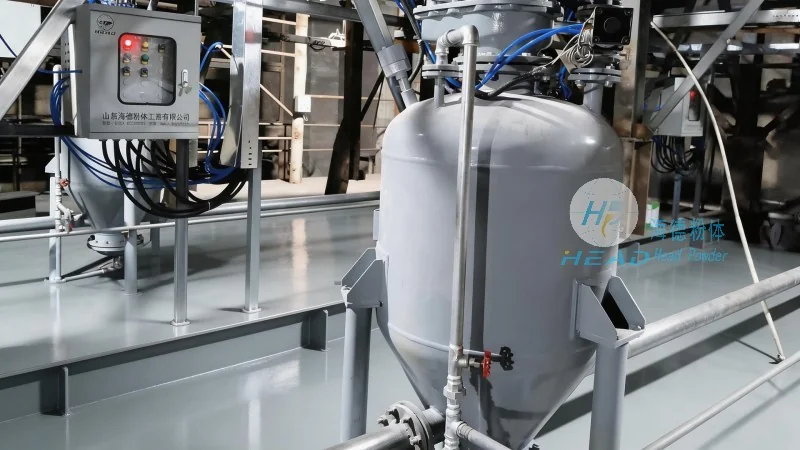
About Shandong HeadPowder Engineering Co., Ltd.
As a professional manufacturer and supplier, Shandong HeadPowder Engineering Co., Ltd. specializes in providing high-quality pneumatic conveying solutions tailored to the unique needs of fertilizer producers. With years of experience and a deep understanding of the industry, HeadPowder offers comprehensive engineering services, from system design and installation to maintenance and support. HeadPowder's commitment to innovation and customer satisfaction has made it a trusted partner for businesses seeking reliable fertilizer handling systems.
Choosing the Right Pneumatic Conveying System Type
The first step in designing a fertilizer pneumatic conveying system is selecting the appropriate type based on the material characteristics, distance, and throughput requirements. There are two main categories: pressure and vacuum systems. Pressure systems use positive pressure to move material, typically suitable for short to medium distances and high-volume applications. Vacuum systems, on the other hand, use negative pressure to draw material, ideal for longer distances or when material needs to be collected from multiple points. For fertilizer, which often has varying particle sizes and moisture content, a combination of both types or a hybrid system may be considered. HeadPowder engineers assess these factors to recommend the most suitable system type, ensuring optimal performance and energy efficiency.
Key Design Parameters and Calculations
Once the system type is determined, several critical parameters must be calculated to ensure the system operates within safe and efficient limits. These include the required air velocity, which affects the system's capacity and pressure drop; the material's bulk density and flowability, which influence the conveyor's design; and the system's pressure drop, which impacts energy consumption. HeadPowder employs advanced software and engineering expertise to perform these calculations accurately. For example, the air velocity is typically set between 20-30 m/s for powder materials like fertilizer, balancing the need to prevent material deposition with energy efficiency. The pressure drop across the system is also calculated to ensure the compressor or vacuum pump can handle the load without excessive energy use. By carefully evaluating these parameters, HeadPowder ensures the system meets the client's operational goals while minimizing operational costs.
Equipment Selection and System Configuration
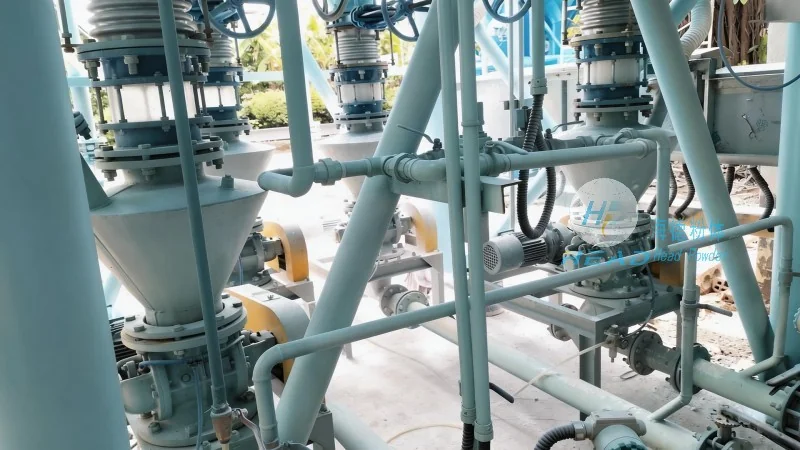
Equipment selection is a critical component of the system design, as the choice of components directly impacts the system's performance and longevity. HeadPowder recommends using high-quality components, such as rotary valves, airlocks, and filters, which are designed to handle the abrasive and corrosive nature of fertilizer materials. The rotary valve, for instance, is a key component that controls the flow of material from the hopper to the conveyor, and its design must be robust to prevent material buildup and wear. Airlocks are used to separate the conveying line from the material source, ensuring a smooth and continuous flow. Filters are essential to remove dust and debris from the air, protecting the system and maintaining air quality. HeadPowder's engineers work closely with clients to select the right equipment based on the specific fertilizer type, throughput, and operating conditions. Additionally, the system's configuration, including the number of conveying lines, bends, and vertical lifts, is optimized to minimize pressure losses and ensure efficient material transport.
System Installation and Commissioning
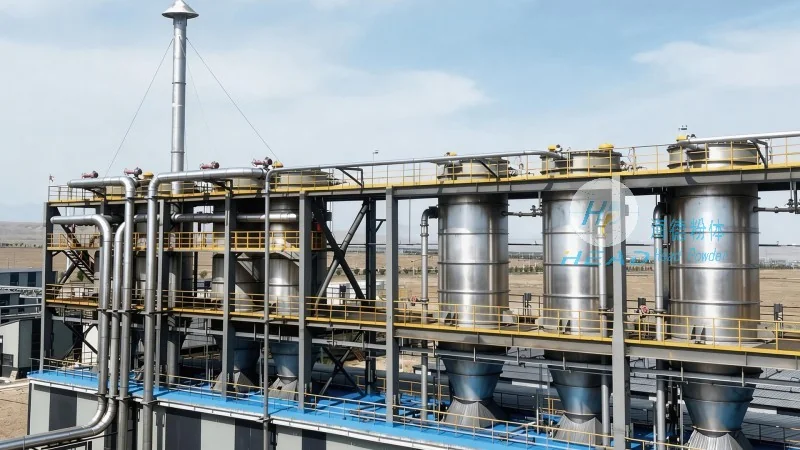
After the design and equipment selection, the next step is system installation and commissioning. HeadPowder provides professional installation services, ensuring that all components are properly installed and aligned. The installation process follows strict safety and quality standards to guarantee the system operates as intended. Commissioning involves testing the system under various conditions to verify its performance and identify any potential issues. HeadPowder's team conducts thorough testing, including pressure tests, flow rate checks, and material transport tests, to ensure the system meets the client's requirements. Any adjustments are made during this phase to optimize performance. The commissioning process also includes training for the client's staff on system operation and maintenance, ensuring they can handle routine tasks and troubleshoot issues effectively. This comprehensive approach ensures the system is ready for immediate use and provides long-term reliability.
Maintenance and Long-Term Performance
Proper maintenance is crucial to ensure the long-term performance and lifespan of a fertilizer pneumatic conveying system. HeadPowder offers maintenance services and provides detailed maintenance plans tailored to the system's design and usage. Regular maintenance includes cleaning filters, inspecting components for wear, and checking for leaks. Preventive maintenance helps identify potential issues before they become major problems, reducing downtime and repair costs. For fertilizer systems, which may handle abrasive materials, regular inspection of rotary valves and conveyor components is essential to prevent wear and tear. HeadPowder's maintenance team uses advanced tools and techniques to perform maintenance efficiently, minimizing disruption to the client's operations. By following a regular maintenance schedule, clients can ensure their system operates at peak efficiency, extending its lifespan and maximizing return on investment.
Conclusion
Designing a reasonable fertilizer pneumatic conveying system requires careful consideration of various factors, including system type, design parameters, equipment selection, and maintenance. With its expertise and commitment to quality, Shandong HeadPowder Engineering Co., Ltd. provides comprehensive solutions that meet the unique needs of fertilizer producers. By working closely with clients and leveraging advanced engineering techniques, HeadPowder ensures that the designed system is efficient, reliable, and cost-effective. Whether for new installations or system upgrades, HeadPowder's pneumatic conveying solutions help businesses optimize their fertilizer handling processes and achieve their operational goals. For businesses in the fertilizer industry, partnering with HeadPowder is a step towards improving efficiency and productivity in material transportation.