

How to Design a Reasonable Malt Pneumatic Conveying System Plan?
Efficient and reliable malt pneumatic conveying systems are crucial for the smooth operation of malt processing facilities. A well-designed system not only ensures the safe and efficient transport of malt from storage to processing areas but also minimizes operational costs and reduces the risk of product contamination. This article provides a comprehensive guide on designing a reasonable malt pneumatic conveying system plan, focusing on key considerations and best practices.
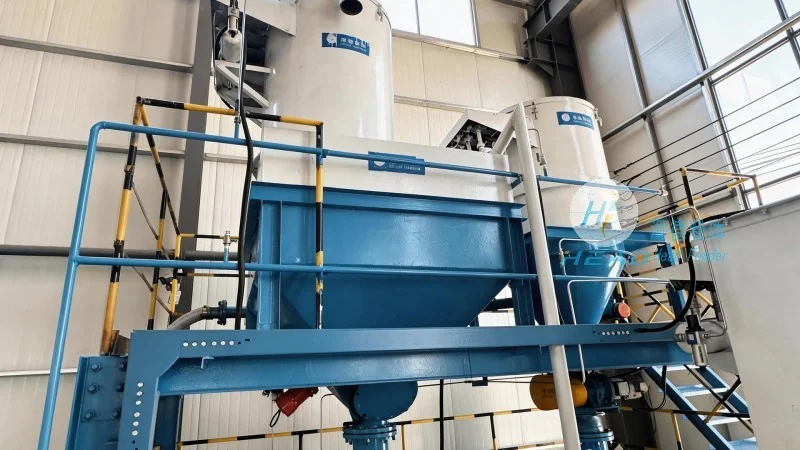
Understanding the Core Components of Malt Pneumatic Conveying Systems
Before diving into the design process, it is essential to understand the fundamental components that make up a malt pneumatic conveying system. These components include the hopper or feeder, the conveying line, the air source (blower or compressor), and the discharge equipment. Each component plays a vital role in the overall performance of the system. For instance, the hopper is responsible for storing and feeding the malt, while the conveying line transports the material using air pressure. The air source provides the necessary force to move the malt, and the discharge equipment ensures the material is delivered to the intended destination.
Choosing the Right Conveying System Type for Malt Handling
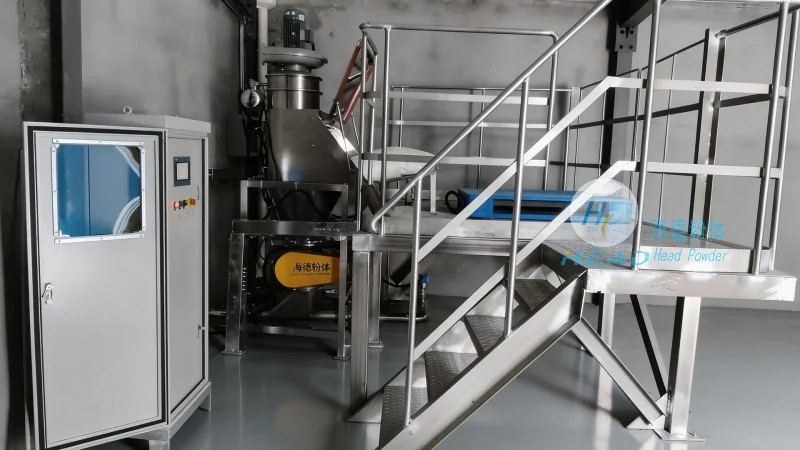
There are primarily two types of pneumatic conveying systems used in the malt industry: positive pressure and negative pressure systems. Positive pressure systems use a blower to push air and material through the system, making them suitable for long-distance and high-capacity applications. Negative pressure systems, on the other hand, use a vacuum to draw material into the system, which is ideal for short-distance and low-capacity needs. The choice between these systems depends on factors such as the distance between the storage and processing areas, the volume of malt to be conveyed, and the specific characteristics of the malt itself. For example, if the malt is prone to dust or requires gentle handling, a positive pressure system with a low-velocity design might be more appropriate.
Key Design Considerations for Malt Pneumatic Conveying Systems
Several critical factors must be considered when designing a malt pneumatic conveying system. First, the material characteristics of the malt, such as its moisture content, particle size, and flowability, significantly impact system performance. For instance, wet or sticky malt may require additional equipment like a pre-dryer or a vibratory feeder to ensure smooth transport. Second, the system's capacity and throughput must be matched to the production requirements of the facility. Overloading the system can lead to blockages and reduced efficiency, while underutilizing it may result in higher operational costs. Third, the system's layout and integration with existing infrastructure are crucial. A well-planned layout minimizes the number of bends and changes in direction, which helps maintain consistent air flow and prevents material degradation. Additionally, the system should be designed with easy access for maintenance and cleaning to ensure long-term reliability.
Equipment Selection and Installation Best Practices
Proper equipment selection is another critical aspect of designing a reliable malt pneumatic conveying system. The blower or compressor should be chosen based on the required air volume and pressure. For malt applications, a centrifugal blower is often preferred due to its ability to handle large volumes of air at relatively low speeds, which reduces wear and tear on the equipment. The conveying line should be made of materials that are resistant to corrosion and abrasion, such as stainless steel or high-density polyethylene, to ensure durability and prevent contamination. The use of flexible hoses or flexible connectors can also help absorb vibrations and reduce stress on the system components. Furthermore, the installation of the system should follow industry standards and guidelines to ensure safety and compliance. This includes proper grounding of electrical components, secure mounting of equipment, and adequate ventilation to prevent overheating.
Ensuring System Efficiency and Maintenance
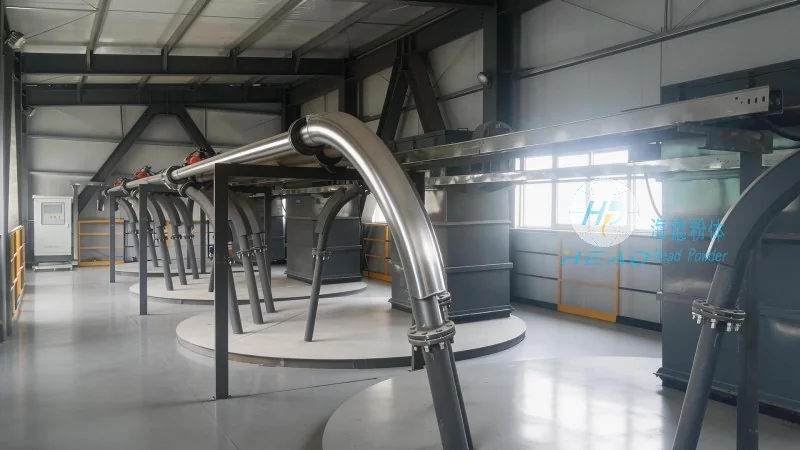
Efficiency is a key factor in the long-term success of a malt pneumatic conveying system. Regular maintenance is essential to keep the system running at optimal performance. This includes cleaning the hopper and conveying line to prevent buildup of dust or debris, checking the air source for proper operation, and inspecting the discharge equipment for any signs of wear or damage. Additionally, monitoring the system's performance parameters, such as air pressure and flow rate, can help identify potential issues before they become major problems. By implementing a proactive maintenance schedule, facilities can extend the lifespan of their equipment and reduce downtime. Furthermore, using high-quality components from reputable manufacturers, such as those from Shandong HeadPowder Engineering Co., Ltd., can contribute to the overall efficiency and reliability of the system.
Conclusion
Designing a reasonable malt pneumatic conveying system plan requires a thorough understanding of the material characteristics, system requirements, and best practices in the industry. By considering factors such as system type, equipment selection, and maintenance, facilities can ensure the safe and efficient transport of malt while minimizing operational costs. Shandong HeadPowder Engineering Co., Ltd., a leading provider of malt processing solutions, offers expertise and high-quality equipment to help facilities design and implement effective pneumatic conveying systems. With their commitment to quality and customer satisfaction, they can assist in creating a system that meets the specific needs of any malt processing operation.