

How to Design a Reasonable Yunnanite Pneumatic Conveying System Plan?
Yunnanite, a type of feldspar commonly used in industrial applications, requires efficient material handling solutions for safe and effective processing. Pneumatic conveying systems offer a reliable method to transport yunnanite powder and granules, minimizing dust exposure and optimizing production flow. This article outlines key considerations for designing a well-structured yunnanite pneumatic conveying system, focusing on technical aspects and practical implementation.
About HeadPowder Engineering
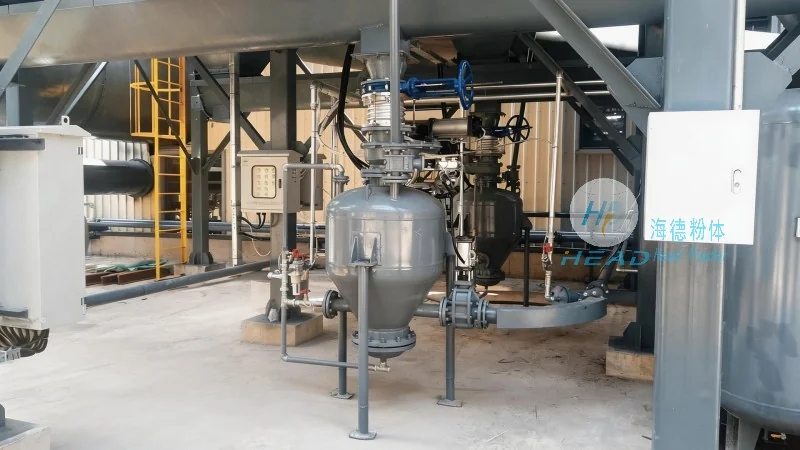
HeadPowder, a leading provider of material handling solutions, specializes in designing and manufacturing pneumatic conveying systems tailored to the needs of industrial clients. With years of experience in the field, HeadPowder offers comprehensive services from system design to installation and maintenance. The company’s headquarters is located in Shandong, China, where a team of skilled engineers and technicians work to deliver high-quality solutions for clients worldwide.
Key Design Factors for Yunnanite Pneumatic Conveying Systems
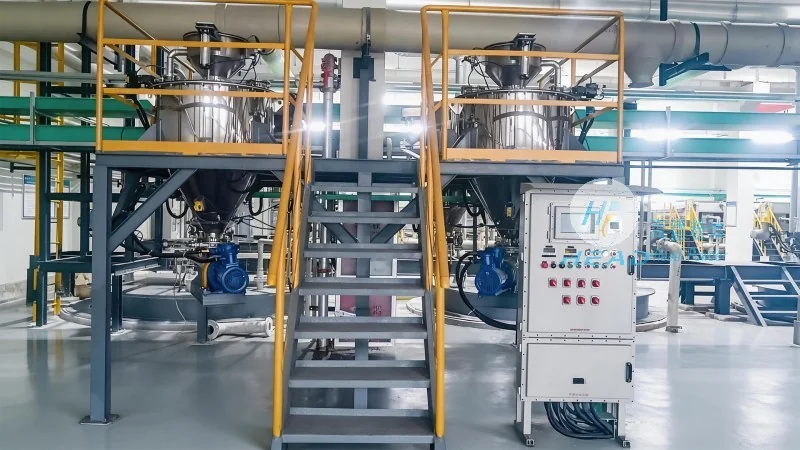
Designing an effective yunnanite pneumatic conveying system involves several critical factors that ensure optimal performance and longevity. First, the material characteristics of yunnanite, such as its particle size, density, and moisture content, must be carefully analyzed. These properties influence the selection of appropriate equipment, including the type of conveyor (e.g., dilute-phase or dense-phase), and the required air velocity and pressure. Additionally, the system layout, including the number of transfer points, vertical and horizontal runs, and the location of the material source and destination, must be optimized to minimize energy consumption and prevent material degradation.
Core Components of a Yunnanite Pneumatic Conveying System
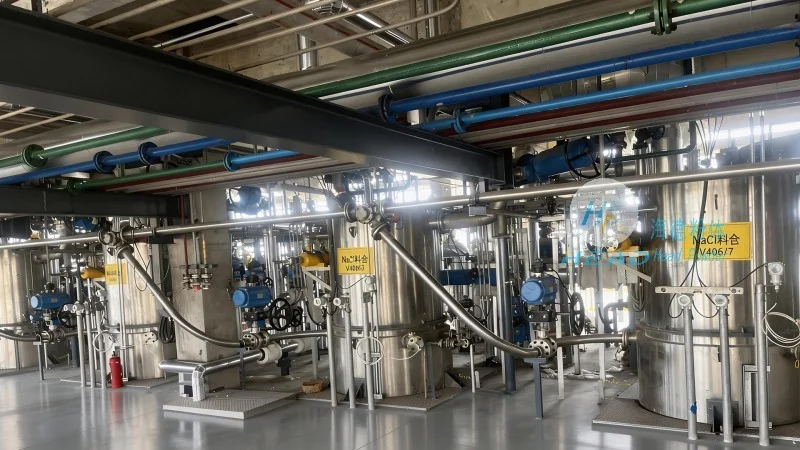
A typical yunnanite pneumatic conveying system consists of several key components that work together to transport material efficiently. The primary components include a material hopper or feeder, which stores and feeds the yunnanite into the system; a conveying line, which may be made of stainless steel or other corrosion-resistant materials to handle the abrasive nature of the material; a blower or compressor, which provides the necessary air pressure to move the material; and a receiver or discharge hopper, where the material is collected. Additional components may include filters, cyclones, and dust collection systems to ensure environmental compliance and maintain system efficiency.
System Design Process and Considerations
The design process for a yunnanite pneumatic conveying system begins with a thorough assessment of the client’s operational requirements and site conditions. HeadPowder engineers conduct on-site evaluations to gather data on material flow rates, storage capacity, and space constraints. This information is used to develop a customized system design that meets the specific needs of the client. The design phase includes calculations for air flow, pressure drop, and energy consumption, as well as the selection of appropriate equipment based on the material’s characteristics and the system’s intended use. Once the design is finalized, HeadPowder provides detailed engineering drawings and specifications, ensuring that all components are compatible and will operate efficiently together.
Installation and Maintenance of Yunnanite Pneumatic Conveying Systems
Proper installation and regular maintenance are crucial for the long-term performance and reliability of a yunnanite pneumatic conveying system. HeadPowder’s experienced installation team ensures that all components are installed according to the design specifications, with attention to alignment, sealing, and proper grounding. Regular maintenance, including cleaning of filters, checking for leaks, and inspecting wear parts, helps to prevent system downtime and extend the life of the equipment. The company also offers comprehensive maintenance services, including scheduled inspections and repairs, to ensure that the system operates at peak efficiency.
Conclusion
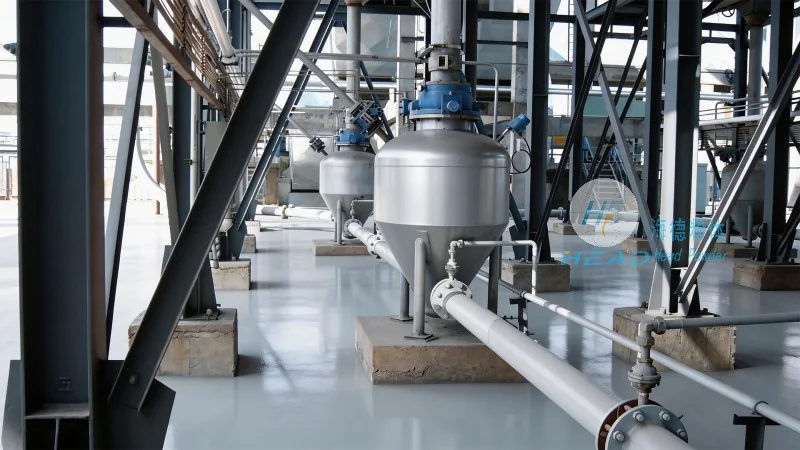
Designing a reasonable yunnanite pneumatic conveying system requires careful consideration of material properties, system layout, and operational requirements. HeadPowder Engineering, with its expertise and experience, provides comprehensive solutions tailored to the needs of industrial clients. By focusing on technical excellence and customer satisfaction, HeadPowder ensures that its pneumatic conveying systems deliver reliable performance and contribute to the efficiency of yunnanite processing operations. For more information on designing and implementing a yunnanite pneumatic conveying system, contact HeadPowder Engineering in Shandong, China.