

How to Design a Reasonable Gypsum Powder Pneumatic Conveying System Plan?
When designing a pneumatic conveying system for gypsum powder, several key factors must be considered to ensure efficiency, reliability, and cost-effectiveness. The process involves selecting appropriate equipment, determining the system layout, and ensuring compliance with safety and operational standards. This article provides a comprehensive guide to designing a reasonable gypsum powder pneumatic conveying system, focusing on the technical aspects and practical considerations.
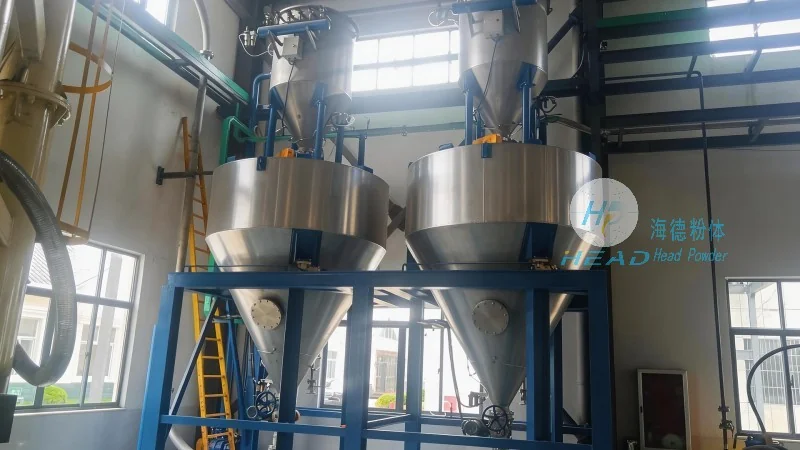
Key Components of a Gypsum Powder Pneumatic Conveying System
The core components of a pneumatic conveying system for gypsum powder typically include a hopper for material storage, a feeder to control the flow rate, a conveying line (usually made of metal or plastic), a dust collector to capture fine particles, and a receiver for the delivered material. Each component plays a critical role in the overall system performance. The hopper must be designed to prevent material bridging and ensure consistent feeding. The feeder, such as a rotary valve or a screw feeder, regulates the flow of gypsum powder into the conveying line. The conveying line is often equipped with bends and straight sections to guide the material through the system. The dust collector is essential for maintaining air quality and preventing dust accumulation in the system. The receiver is used to collect the gypsum powder at the destination point, ensuring a clean and efficient transfer.
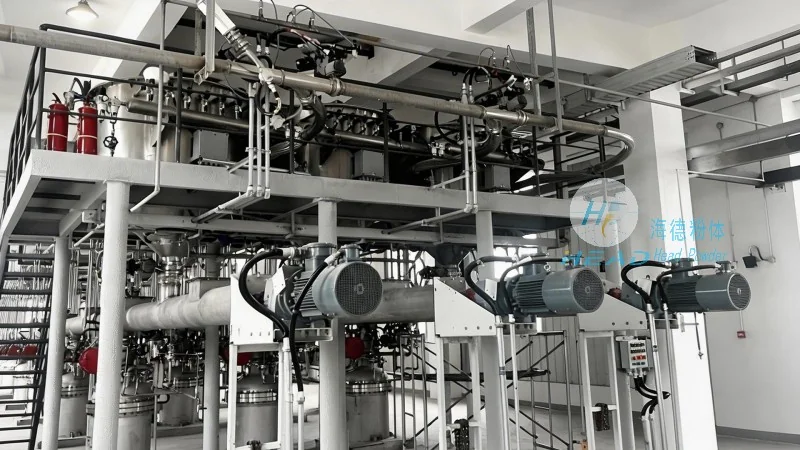
Design Considerations for Material Properties
Gypsum powder has specific physical and chemical properties that impact the design of the pneumatic conveying system. The powder's particle size distribution, bulk density, and flowability are crucial factors. For example, finer particles may require higher air velocities to prevent clogging, while coarser particles might need larger conveying lines to maintain flow. The system designer must consider the material's moisture content, as excess moisture can lead to clumping and reduced conveying efficiency. Additionally, the chemical properties of gypsum, such as its reactivity with air or other materials, should be evaluated to ensure the system components are compatible. Proper analysis of these properties helps in selecting the right equipment and system configuration.
System Layout and Sizing
The layout of the pneumatic conveying system is determined by the distance between the source and destination points, as well as the number of transfer points. The system can be designed as a positive pressure system, where air is blown into the conveying line to move the material, or a negative pressure system, where air is drawn out to create a vacuum and pull the material. The choice between these systems depends on the material's properties and the application requirements. The sizing of the conveying line is critical; it must be large enough to handle the material flow rate without excessive pressure drop. The pressure drop across the system components, including bends, filters, and valves, must be calculated to ensure the system operates within its design limits. Proper sizing prevents energy waste and ensures the system runs smoothly.
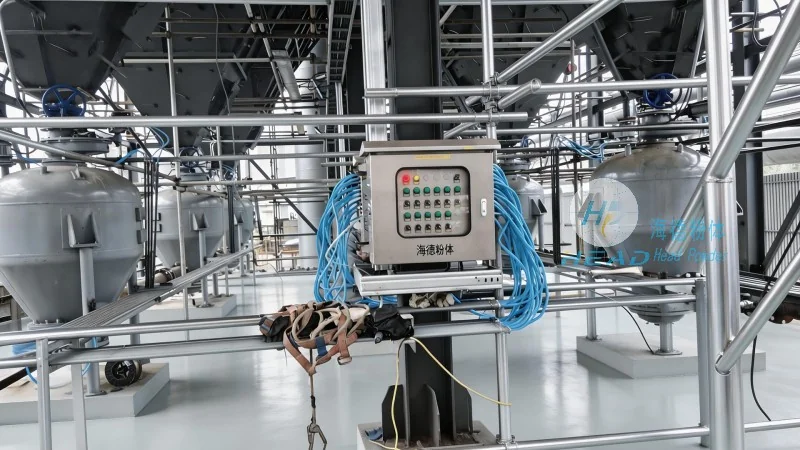
Control and Monitoring Systems
Modern pneumatic conveying systems for gypsum powder often incorporate advanced control and monitoring systems to enhance operational efficiency and safety. These systems may include sensors to monitor pressure, flow rate, and temperature, as well as automated controls to adjust the feeder speed or air pressure based on real-time conditions. The control system can also include alarms and safety interlocks to prevent overpressure or material blockages. By integrating these technologies, the system can operate more reliably, reducing downtime and maintenance costs. Additionally, data logging and analysis tools can help in optimizing the system performance over time, identifying areas for improvement, and ensuring long-term efficiency.

Installation and Maintenance Considerations
The installation of a gypsum powder pneumatic conveying system requires careful planning and execution to ensure proper operation. The system should be installed in a well-ventilated area to prevent dust accumulation and ensure air quality. Proper grounding and electrical connections are essential for safety. Maintenance of the system is crucial for longevity and efficiency. Regular cleaning of the hopper, feeder, and conveying line is necessary to prevent material buildup and clogging. The dust collector filters should be replaced or cleaned regularly to maintain air quality and system performance. Additionally, periodic inspection of the system components, such as valves and seals, is recommended to identify and address potential issues before they become major problems. Proper maintenance helps in extending the system's lifespan and reducing operational costs.
Case Study: A Successful Gypsum Powder Pneumatic Conveying System by Shandong HeadPowder Engineering Co., Ltd.
Shandong HeadPowder Engineering Co., Ltd., a leading provider of pneumatic conveying solutions, has successfully designed and implemented a gypsum powder pneumatic conveying system for a client in China. The system was installed in a manufacturing facility that processes gypsum powder for construction materials. The system was designed to transport 10 tons of gypsum powder per hour over a distance of 50 meters, with multiple transfer points. The system included a hopper with a rotary valve feeder, a metal conveying line with bends and filters, and a receiver. The system was equipped with a control panel and monitoring sensors to ensure efficient operation. The client reported significant improvements in production efficiency and reduced labor costs after the system was installed. The system has been in operation for over two years, with minimal maintenance issues, demonstrating the effectiveness of the design and implementation by Shandong HeadPowder Engineering Co., Ltd.