Công ty TNHH Kỹ thuật Headpowder Sơn Đông chuyên vận chuyển khí nén bột và hạt. Nhờ thế mạnh hợp tác doanh nghiệp‑trường‑viện, chúng tôi cung cấp giải pháp vận chuyển kín, không bụi, độ chính xác cao.
When it comes to transporting coal particles efficiently and safely, a well-designed pneumatic conveying system is crucial. The system's effectiveness directly impacts operational efficiency, cost management, and overall plant performance. This article provides a comprehensive guide on how to design a reasonable coal particle pneumatic conveying system plan, focusing on key factors, components, and practical steps to ensure optimal performance.
Introduction to Coal Particle Pneumatic Conveying System Design
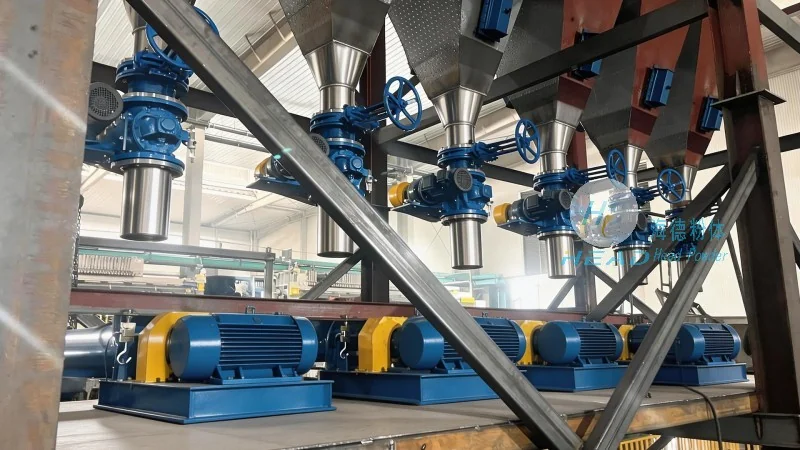
Coal particle pneumatic conveying systems are widely used in industries such as power generation, mining, and chemical processing. These systems utilize air or other gases to transport solid particles through a pipeline network. A well-engineered system not only enhances material handling capabilities but also reduces labor costs and minimizes the risk of dust-related issues. As a leading provider in the field, Shandong HeadPowder Engineering Co., Ltd. specializes in designing and implementing such systems, leveraging years of experience and expertise to deliver tailored solutions for diverse industrial needs.
Key Considerations in System Design
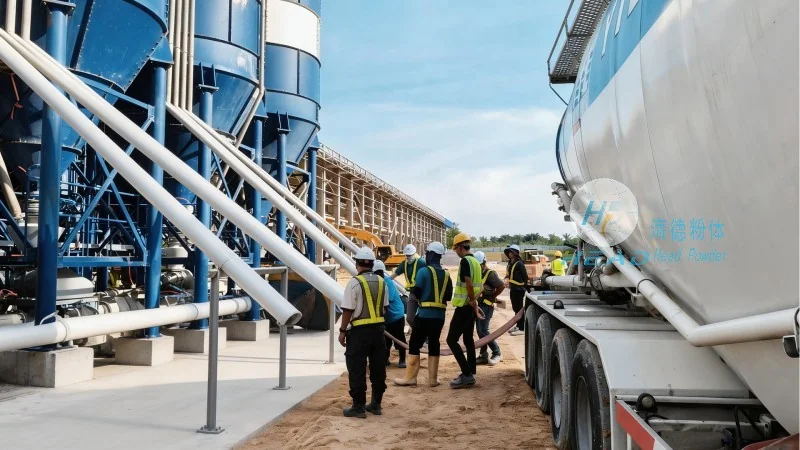
The success of a coal particle pneumatic conveying system hinges on several critical factors. First, the physical properties of the coal particles, including size, density, and moisture content, must be thoroughly analyzed. These characteristics influence the system's air requirements, pressure levels, and overall energy consumption. Second, the distance and layout of the conveying route are essential considerations. The system's design must account for vertical and horizontal elevations, bends, and any potential obstacles to ensure smooth material flow. Third, the desired throughput and operational speed are key parameters that dictate the system's capacity and component sizing. Additionally, environmental regulations and safety standards must be adhered to, as these can impact the system's design and operational parameters.
Components and Their Roles in the System
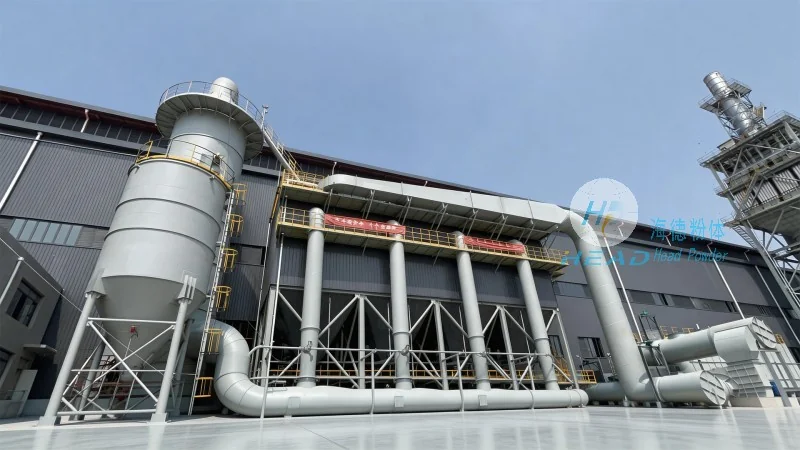
A coal particle pneumatic conveying system comprises several interconnected components, each playing a vital role in the overall operation. The primary components include the feed hopper, which stores and feeds the coal particles into the system; the air compressor or blower, which generates the necessary air pressure to move the particles; the conveying pipeline, which transports the material from the source to the destination; the separation and collection equipment, such as cyclones or filters, which separate the coal particles from the air; and the discharge equipment, which delivers the material to the final storage or processing unit. Each component must be carefully selected and sized to ensure the system operates efficiently and reliably. For instance, the air compressor must be capable of providing sufficient pressure and volume to handle the specific coal particle characteristics and conveying distance. The separation equipment must be efficient in removing fine particles and preventing dust emissions, ensuring compliance with environmental regulations.
Practical Design Steps and Best Practices
Designing a coal particle pneumatic conveying system involves a systematic approach. The first step is to gather detailed information about the coal source, including its physical properties and the required throughput. This data serves as the foundation for all subsequent calculations and design decisions. Next, the system layout is determined, considering the plant's layout, available space, and the shortest possible route for material transport. The next phase involves calculating the required air volume and pressure based on the coal particle characteristics and conveying distance. This calculation helps in selecting the appropriate air compressor or blower model. Following this, the pipeline diameter and material are selected to ensure minimal pressure drop and efficient material flow. The separation and collection equipment are then sized based on the expected dust load and particle size distribution. Finally, the system is tested and optimized to ensure it meets the performance criteria. Best practices include conducting pilot tests to validate the design, monitoring system performance during operation, and implementing regular maintenance schedules to prevent equipment failure and ensure long-term reliability.
Ensuring Efficiency and Reliability
Efficiency and reliability are paramount in coal particle pneumatic conveying systems. An efficient system minimizes energy consumption and operational costs while maximizing material throughput. This is achieved through proper component selection, optimal system layout, and regular maintenance. Reliability, on the other hand, ensures consistent performance and reduces downtime. Regular inspections of the air compressor, pipeline, and separation equipment help identify potential issues before they escalate into major problems. Additionally, using high-quality materials and components from reputable manufacturers, such as those offered by HeadPowder Engineering, enhances the system's durability and longevity. The company's expertise in system design and implementation ensures that clients receive systems that are not only efficient but also reliable and cost-effective.
By following the guidelines outlined in this article and leveraging the expertise of companies like Shandong HeadPowder Engineering Co., Ltd., industries can design and implement coal particle pneumatic conveying systems that meet their specific needs and contribute to overall operational success. The key is to consider all relevant factors, select appropriate components, and adhere to best practices throughout the design and implementation process. With a well-designed system, coal transportation can be carried out efficiently, safely, and cost-effectively, supporting the smooth operation of industrial facilities.

 Shandong Headpowder Engineering Co., Ltd.
 156-6277-7102(Quản lý Trương)
  0531-83386006
  Thành phố Tế Nam, Tỉnh Sơn Đông, Trung Quốc
Điện thoại
WeChatTư vấn
Lên đầu