

How to Design a Rational Copper Concentrate Powder Pneumatic Conveying System Plan?
When it comes to handling copper concentrate powder, the design of an efficient pneumatic conveying system is crucial for industrial operations. A well-designed system not only ensures the safe and reliable transport of copper concentrate but also minimizes operational costs and enhances overall productivity. This article provides a comprehensive guide on how to design a reasonable copper concentrate powder pneumatic conveying system, focusing on key considerations and best practices.
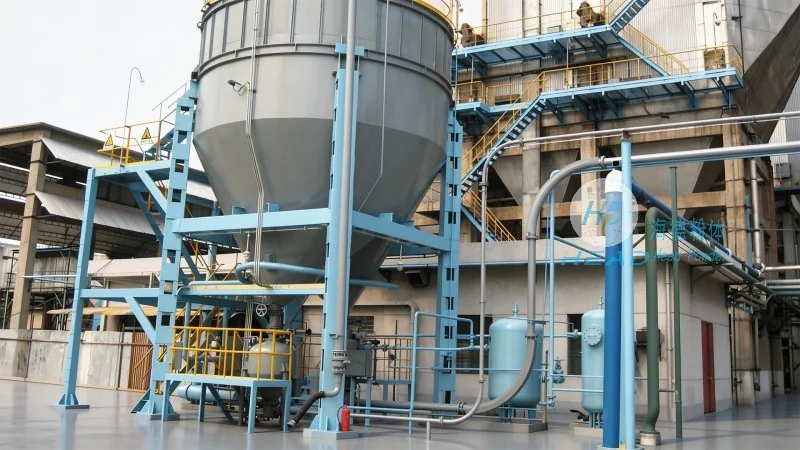
Understanding the Core Requirements for Copper Concentrate Powder Pneumatic Conveying
Before diving into the design process, it's essential to understand the specific characteristics of copper concentrate powder and the operational demands of the facility. Copper concentrate powder typically has unique properties such as particle size distribution, moisture content, and flowability, which directly impact the selection of conveying equipment and system configuration. Additionally, factors like the distance to be covered, the required flow rate, and the desired system pressure must be carefully evaluated. By thoroughly analyzing these requirements, engineers can lay a solid foundation for an effective system design.
Key Design Considerations for a Copper Concentrate Powder Pneumatic Conveying System
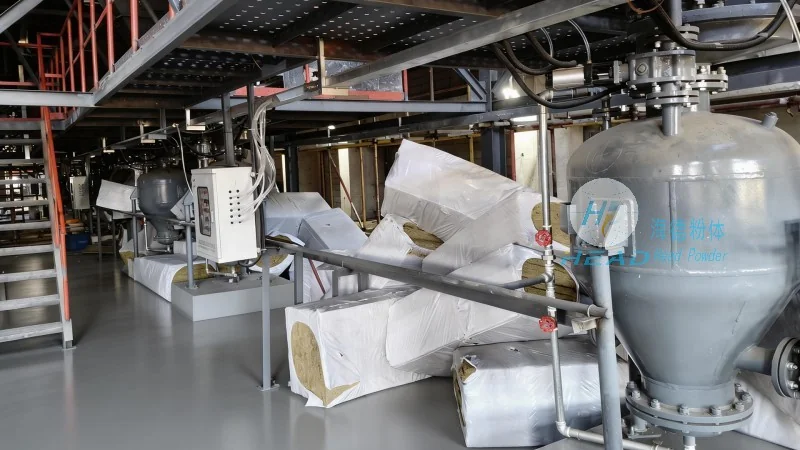
Several critical factors must be considered when designing a copper concentrate powder pneumatic conveying system. The first is the type of conveying system—whether it's a positive pressure, negative pressure, or a combination of both. Positive pressure systems are commonly used for long-distance or high-capacity applications, as they can maintain consistent pressure and prevent material degradation. Negative pressure systems, on the other hand, are suitable for short distances and applications where dust control is a priority. The choice of system type depends on the specific operational needs and the characteristics of the copper concentrate powder.
Another important consideration is the selection of the conveying line material. Copper concentrate powder can be abrasive and corrosive, so the conveying line must be made of durable materials such as stainless steel or special alloys to withstand wear and corrosion. The diameter and length of the conveying line also play a significant role in system performance. Proper sizing ensures that the system operates at optimal pressure and flow rates, minimizing energy consumption and reducing the risk of blockages.
Equipment Selection and System Layout for Copper Concentrate Powder Handling
The equipment used in a copper concentrate powder pneumatic conveying system includes feeders, blowers, cyclones, filters, and control systems. The feeder is responsible for accurately metering the copper concentrate powder into the conveying line, ensuring a consistent flow rate. The blower provides the necessary air pressure to move the material through the system. Cyclones are used for separation, while filters capture any fine particles to prevent dust emissions. The control system monitors and regulates the operation of all components, ensuring smooth and safe operation.
System layout is another critical aspect of design. The layout should be designed to minimize the number of bends and changes in direction, as these can cause pressure drops and increase the risk of blockages. The placement of equipment should also be considered to ensure easy access for maintenance and cleaning. A well-designed layout not only improves system performance but also reduces maintenance costs and downtime.
Optimizing the Copper Concentrate Powder Pneumatic Conveying System for Efficiency
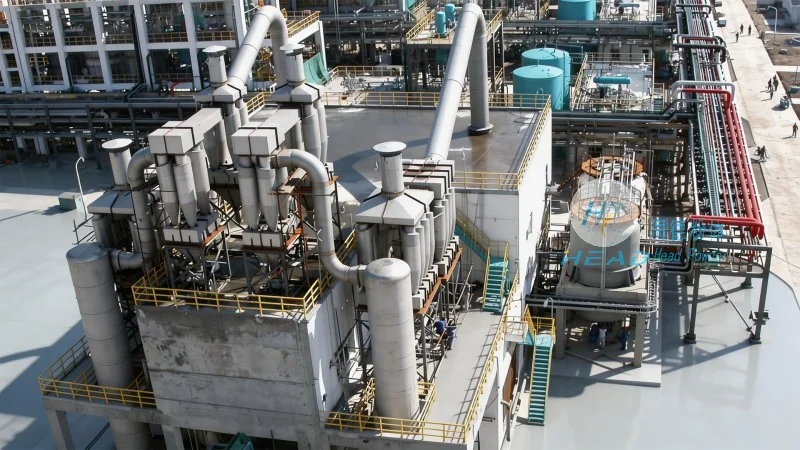
Once the system is designed and installed, optimization is key to maximizing efficiency and minimizing costs. Regular maintenance and inspection of equipment are essential to ensure the system operates at peak performance. This includes checking the condition of the conveying line, replacing worn parts, and cleaning filters regularly. Additionally, monitoring system parameters such as pressure, flow rate, and temperature can help identify potential issues before they become major problems.
Energy efficiency is another important aspect of system optimization. By selecting the right equipment and optimizing the system layout, energy consumption can be reduced significantly. For example, using high-efficiency blowers and minimizing pressure drops in the conveying line can lower energy costs. Implementing energy-saving measures not only reduces operational costs but also contributes to environmental sustainability.
About Shandong HeadPowder Engineering Co., Ltd.
Shandong HeadPowder Engineering Co., Ltd., also known as headpowder, is a leading provider of engineering solutions for powder handling systems. With years of experience in the industry, the company specializes in designing and manufacturing copper concentrate powder pneumatic conveying systems tailored to the specific needs of its clients. The company's team of experts uses advanced technology and best practices to ensure that each system is designed for maximum efficiency, reliability, and safety. Headpowder's commitment to quality and customer satisfaction has made it a trusted partner for many industrial facilities worldwide.