

How to Design a Reasonable Expandable Polystyrene Pneumatic Conveying System Plan?
When it comes to designing an efficient and reliable expandable polystyrene (EPS) pneumatic conveying system, careful planning and consideration of various factors are essential. This guide from Shandong HeadPowder Engineering Co., Ltd. provides a detailed approach to creating a system that meets operational needs while ensuring safety and performance.
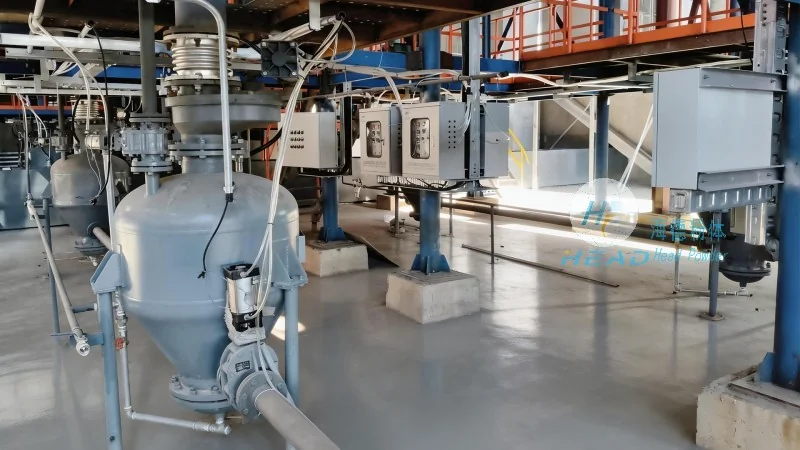
Understanding the Core Components of an EPS Pneumatic Conveying System
An expandable polystyrene pneumatic conveying system typically consists of several key components, each playing a critical role in the overall operation. The primary elements include the material hopper, which holds the EPS granules or beads, the air compressor or blower that generates the conveying air, the pipeline system that transports the material, and the control valves and sensors that regulate the flow. Additionally, a dust collection system may be integrated to capture any airborne particles and ensure environmental compliance.
Key Design Considerations for Material Handling Efficiency
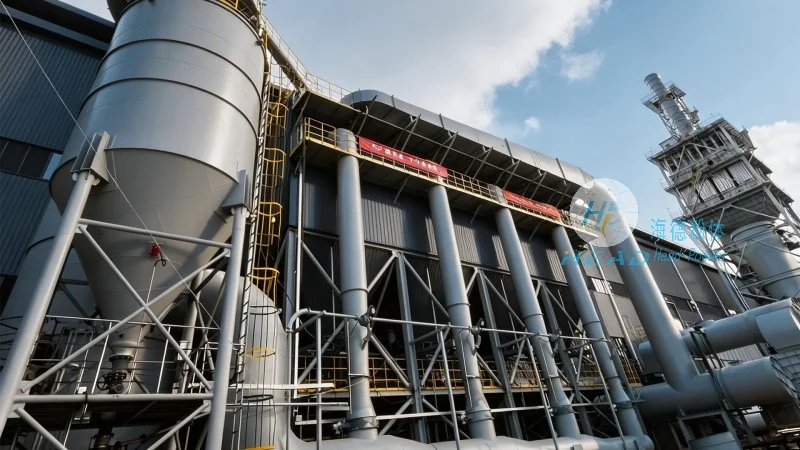
Designing an EPS pneumatic conveying system requires a thorough analysis of the material characteristics and the specific application requirements. The density, particle size, and flowability of the expandable polystyrene are crucial factors that influence the system's design. For instance, finer particles may require higher air velocities to prevent blockages, while larger beads might need a different pipeline diameter and air pressure. The system's layout, including the vertical and horizontal distances between the hopper and the discharge point, also impacts the air pressure and energy consumption. Shandong HeadPowder Engineering Co., Ltd. emphasizes the importance of conducting a material analysis to determine the optimal conveying velocity and pressure, which directly affects the system's efficiency and longevity.
Ensuring System Reliability and Safety
Reliability and safety are paramount when designing any industrial conveying system. For an EPS pneumatic conveying system, this involves implementing proper maintenance protocols, using durable materials for the pipeline and components, and installing safety features such as pressure relief valves and emergency shut-off mechanisms. The system should also be designed to handle potential blockages effectively, with provisions for manual or automated unblocking procedures. Regular inspections and performance monitoring are essential to identify any issues early and prevent system downtime. As a leading provider in the field, Shandong HeadPowder Engineering Co., Ltd. adheres to industry standards and best practices to ensure that their designs meet both functional and safety requirements.
Optimizing Energy Consumption and Cost Efficiency
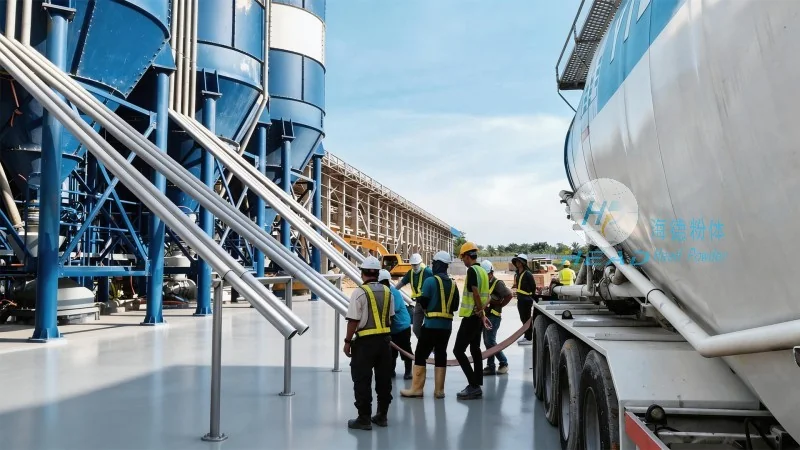
Energy efficiency is a significant consideration in the design of any pneumatic conveying system. By optimizing the air pressure and flow rate, the system can reduce energy consumption without compromising performance. This involves selecting the appropriate air compressor or blower, ensuring proper pipeline sizing, and minimizing pressure losses due to bends, valves, or fittings. The use of efficient control systems, such as variable frequency drives (VFDs), can further enhance energy savings by adjusting the air flow based on the actual conveying demand. Shandong HeadPowder Engineering Co., Ltd. offers tailored solutions that balance performance with energy efficiency, helping clients achieve cost savings over the system's operational life.
Customization and Integration with Existing Facilities
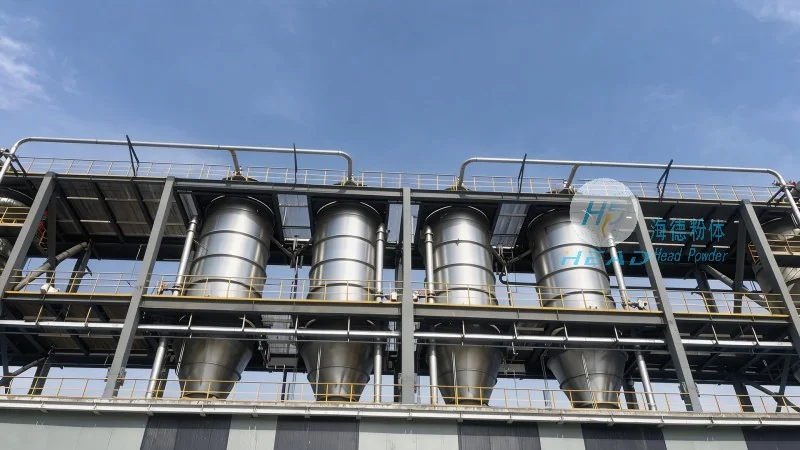
Many industrial facilities may need to integrate a new EPS pneumatic conveying system with existing infrastructure. This requires careful coordination to ensure compatibility with the current layout, electrical systems, and material handling processes. Shandong HeadPowder Engineering Co., Ltd. provides comprehensive consultation services to assess the existing conditions and design a system that seamlessly integrates with the client's operations. This includes evaluating the available space, power supply, and material storage areas to create a customized solution that meets all operational and spatial constraints. The company's expertise in system design allows them to address unique challenges and deliver solutions that are both effective and practical for the client's specific needs.
Conclusion: Partnering with Shandong HeadPowder for Your EPS Pneumatic Conveying System
Designing a reasonable expandable polystyrene pneumatic conveying system is a complex process that requires expertise in material handling, engineering, and system integration. By following the guidelines outlined above and partnering with a reputable company like Shandong HeadPowder Engineering Co., Ltd., clients can ensure that their system is designed for optimal performance, reliability, and cost efficiency. With a focus on quality and customer satisfaction, Shandong HeadPowder provides tailored solutions that meet the diverse needs of industrial applications, helping businesses achieve their material handling goals while maintaining safety and operational excellence.