

How to Design a Reasonable Food Additive Pneumatic Conveying System Plan?
When it comes to managing the efficient and safe transport of food additives, a well-designed pneumatic conveying system is crucial. These systems play a vital role in the food processing industry, ensuring that additives are moved from storage to processing lines without contamination or loss. However, designing an effective system requires careful consideration of various factors to meet the specific needs of a facility.
Understanding the Core Components of a Food Additive Pneumatic Conveying System
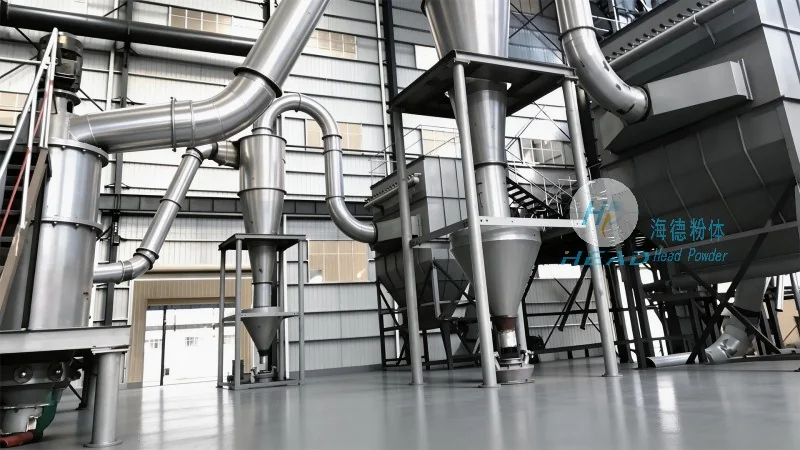
A pneumatic conveying system for food additives typically consists of several key components. The primary elements include a material feeder, which controls the flow of the additive into the system; a conveying line, which can be either positive pressure or negative pressure depending on the application; a separator or filter to remove air and any particles that may not be part of the additive; and a receiver or discharge unit where the additive is collected for further processing.
HeadPowder: Your Partner in Food Processing Solutions
At Shandong HeadPowder Engineering Co., Ltd., we specialize in providing comprehensive engineering solutions for the food industry. With our headquarters located in Shandong, China, our team of experts has extensive experience in designing and implementing pneumatic conveying systems tailored to the unique requirements of food processing facilities. Our company, known as HeadPowder, is committed to delivering high-quality, reliable systems that enhance operational efficiency and safety.
Key Factors to Consider in System Design
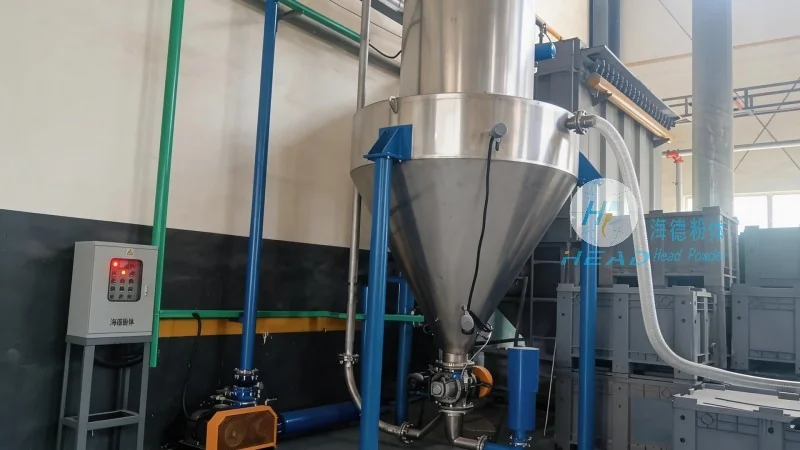
Designing a pneumatic conveying system for food additives involves evaluating several critical factors. First, the physical properties of the additive must be analyzed, such as particle size, density, and moisture content. These characteristics influence the choice of conveying method and equipment. For example, fine powders may require a positive pressure system to prevent clogging, while bulkier materials might benefit from a negative pressure system to minimize dust generation.
Second, the distance and layout of the facility must be considered. The length of the conveying line and the number of turns or changes in direction will impact the system's performance and energy consumption. Properly sizing the conveying line and selecting the appropriate air velocity is essential to ensure efficient transport without excessive energy use.
System Selection: Positive vs. Negative Pressure Conveying
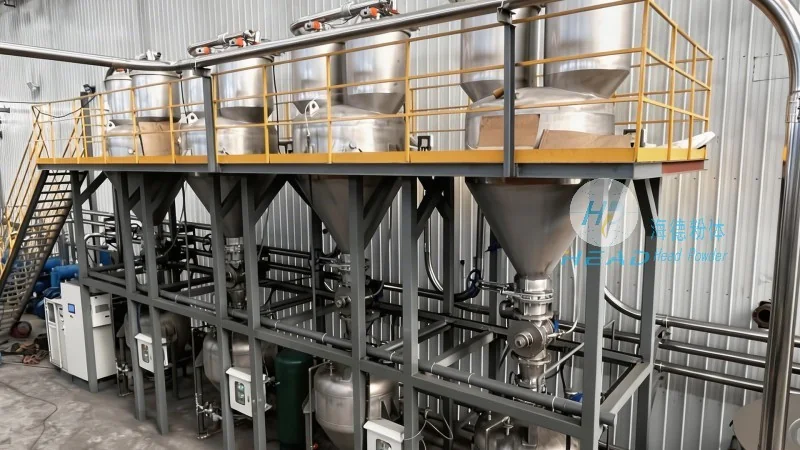
Choosing between positive and negative pressure systems is a fundamental decision in pneumatic conveying design. Positive pressure systems use a blower or compressor to push air and material through the line, making them suitable for short to medium distances and when the additive needs to be transported to a higher elevation. Negative pressure systems, on the other hand, use a vacuum to draw material into the line, which is ideal for long distances or when the additive must be moved to a lower level. The choice depends on the specific application and the characteristics of the food additive being transported.
Equipment Selection and Integration
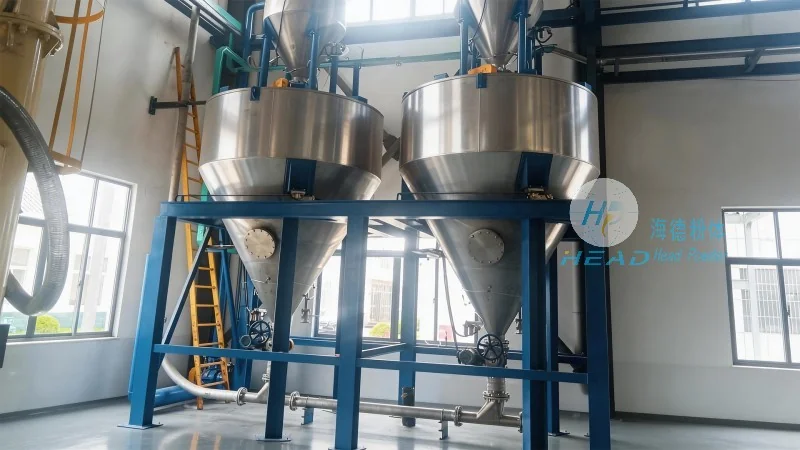
Once the system type is determined, selecting the right equipment is crucial. The material feeder is a critical component, as it must handle the additive's flow characteristics without causing blockages or uneven distribution. Options include rotary valves, star feeders, or screw feeders, each with its own advantages depending on the material's properties. The conveying line itself should be made of materials that are food-grade and resistant to corrosion or contamination, such as stainless steel. Separators and filters are also essential to maintain the purity of the additive and protect downstream equipment from dust or debris.
Optimizing Energy Efficiency and Maintenance
Efficient design also focuses on minimizing energy consumption and ensuring easy maintenance. Using high-efficiency blowers and optimizing air velocity can reduce operational costs. Additionally, incorporating features like automatic cleaning systems or easy access points for maintenance can extend the system's lifespan and reduce downtime. Properly designed systems also include safety features, such as pressure relief valves and dust collection systems, to protect both the product and the operators.
Conclusion: The Importance of a Well-Designed System
Designing a reasonable food additive pneumatic conveying system requires a thorough understanding of the additive's properties, the facility's layout, and the available equipment options. By carefully evaluating these factors and working with experienced professionals like those at HeadPowder, food processing facilities can achieve efficient, safe, and cost-effective transport of their additives. A well-designed system not only improves operational performance but also ensures compliance with industry standards and regulations, ultimately contributing to the success of the food processing operation.