

How to Choose the Right Pneumatic Conveying System for Your Starch Processing?
When it comes to managing starch processing operations, selecting the appropriate pneumatic conveying system is a critical decision that impacts efficiency, cost, and product quality. The right system ensures smooth material handling while minimizing downtime and maintenance costs. This guide will help you navigate the key considerations for choosing a suitable pneumatic conveying system tailored to your starch processing needs.
Understanding the Core Requirements of Starch Processing
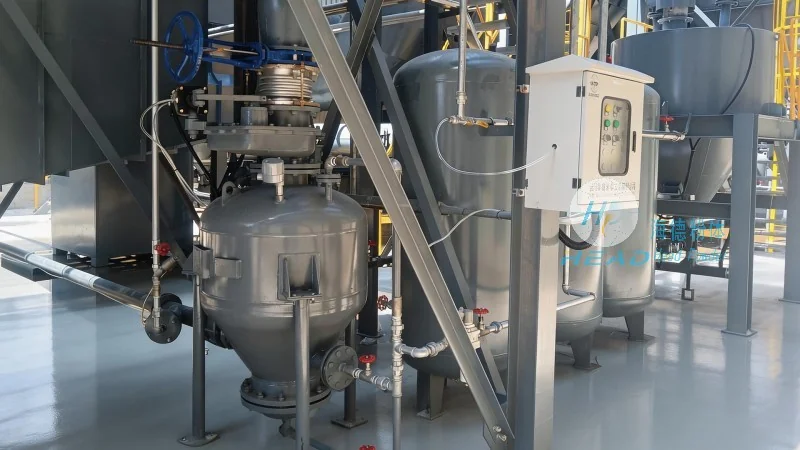
Before diving into system selection, it's essential to understand the specific demands of starch processing. Starch materials vary in properties such as particle size, moisture content, and bulk density, which directly influence the choice of conveying technology. For instance, fine powders may require specialized equipment to prevent clogging or degradation, while bulkier granules might benefit from high-capacity systems. Additionally, the processing environment, including temperature and humidity, plays a role in determining the material's behavior during transport.
Types of Pneumatic Conveying Systems: A Brief Overview
There are primarily two types of pneumatic conveying systems used in starch processing: positive pressure and negative pressure systems. Positive pressure systems, which force air and material through a pipeline, are often preferred for long-distance or high-capacity applications. They offer better control over material flow and are less prone to clogging. Negative pressure systems, on the other hand, draw material into a vacuum system, which is suitable for shorter distances and when handling dusty or fine powders. Each type has its advantages and limitations, and the choice depends on the specific operational parameters of your starch processing facility.
Key Factors to Consider When Selecting a System
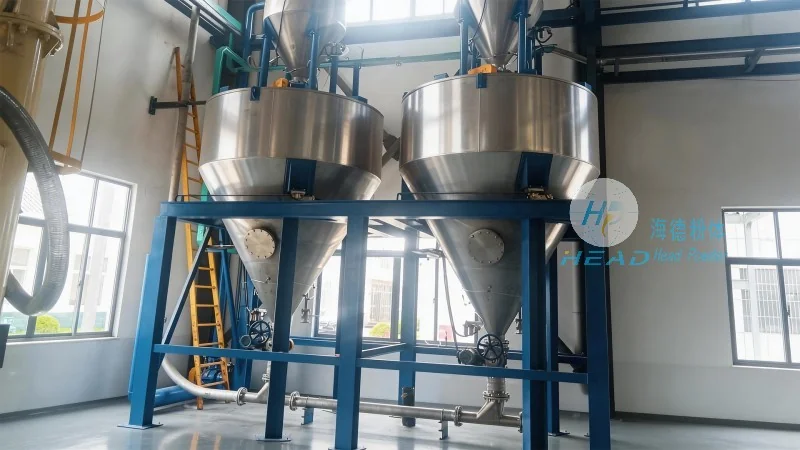
Several factors must be evaluated when choosing a pneumatic conveying system for starch processing. First, the material's physical characteristics, including particle size distribution, moisture content, and flowability, are paramount. These properties dictate the system's design, such as the type of hopper, feeder, and pipeline. Second, the required conveying distance and capacity are critical. Longer distances or higher throughput may necessitate more robust systems with larger air volumes. Third, the system's integration with existing processing equipment is essential. Compatibility with existing infrastructure, such as storage silos, mixers, and packaging units, must be considered to avoid costly modifications.
HeadPowder's Expertise in Starch Processing Solutions
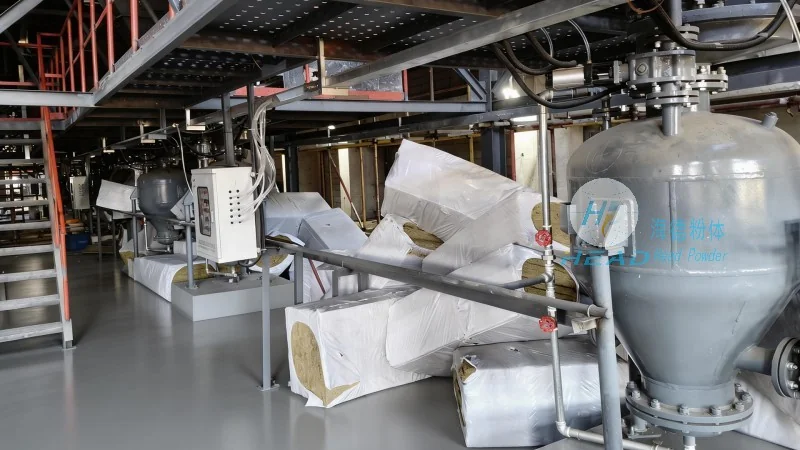
Shandong HeadPowder Engineering Co., Ltd., a leading provider of pneumatic conveying systems, specializes in custom solutions tailored to the unique needs of starch processing industries. With years of experience, HeadPowder understands the challenges faced by starch manufacturers and offers innovative, efficient systems that enhance operational performance. The company's team of engineers works closely with clients to assess their specific requirements, providing tailored recommendations that optimize material handling while minimizing operational costs.
Customized Solutions for Diverse Starch Applications
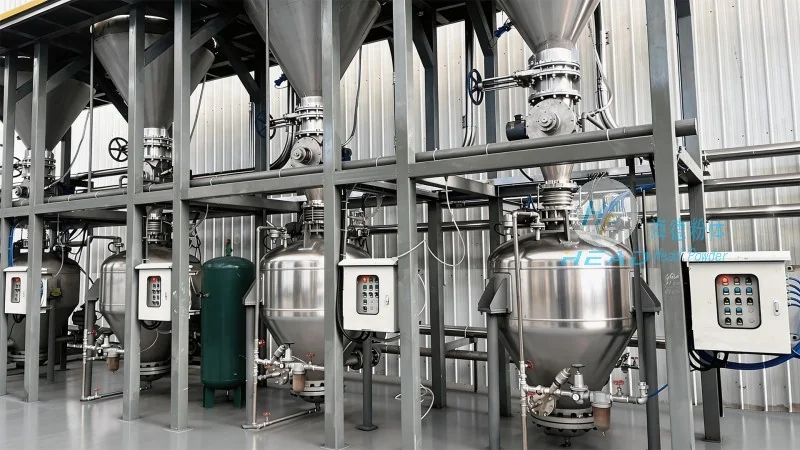
HeadPowder recognizes that starch processing facilities vary in scale and application. Whether you are processing corn, wheat, or other starch sources, the company offers a range of systems designed to handle different materials. For example, for fine corn starch, a positive pressure system with a rotary valve feeder might be ideal to prevent clogging and maintain product integrity. For bulkier potato starch, a high-capacity negative pressure system could be more suitable. The company's solutions are designed to adapt to the specific characteristics of each starch type, ensuring reliable and efficient transport.
Ensuring Reliability and Durability in Starch Processing
Reliability and durability are non-negotiable in starch processing operations. HeadPowder's systems are built with high-quality materials and components to withstand the demands of continuous operation. The company uses corrosion-resistant materials for wet or humid environments and robust components for abrasive starch particles. Regular maintenance and support are also provided to ensure the system operates at peak performance, reducing downtime and extending the lifespan of the equipment.
Conclusion: Choosing the Right System for Your Starch Processing
Selecting the right pneumatic conveying system for your starch processing operation requires a thorough understanding of your material's properties, operational needs, and system requirements. By considering factors such as material characteristics, conveying distance, and system integration, you can make an informed decision that enhances efficiency and reduces costs. Shandong HeadPowder Engineering Co., Ltd. offers expert guidance and customized solutions to help starch manufacturers achieve optimal performance in their material handling processes.