

How to Choose the Right Pneumatic Conveying System for Your Mineral Sand Handling Process?
When it comes to managing mineral sand handling processes, selecting the appropriate pneumatic conveying system is a critical decision that impacts operational efficiency, cost-effectiveness, and overall system reliability. The right system ensures that mineral sands are transported safely and efficiently from one point to another, whether for processing, storage, or further use in industrial applications. This guide aims to provide insights into the key factors and considerations that industrial facilities should evaluate when choosing a pneumatic conveying system tailored to their mineral sand handling needs.
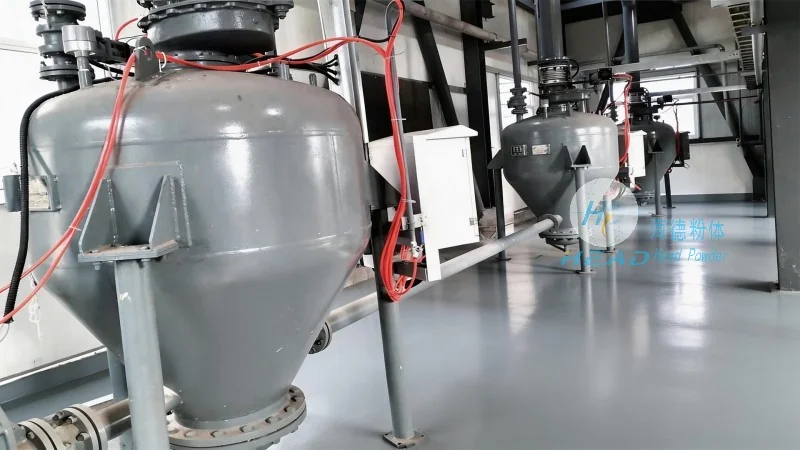
Understanding the Role of Pneumatic Conveying in Mineral Sand Handling
Pneumatic conveying systems utilize air or gas to transport bulk materials like mineral sands through a pipeline network. This method offers several advantages over traditional mechanical conveying systems, including reduced equipment wear, lower maintenance requirements, and the ability to handle materials that are difficult to move by other means. For mineral sands, which often have specific characteristics such as particle size, moisture content, and abrasiveness, the choice of a pneumatic system can significantly affect the system's performance and longevity.
Key Factors to Consider When Selecting a Pneumatic Conveying System
Choosing the right pneumatic conveying system for mineral sand applications involves evaluating several critical factors. The first consideration is the nature of the mineral sand itself, including its particle size distribution, density, and flowability. These properties determine the appropriate conveying velocity and pressure required to move the material without causing blockages or excessive wear on the system components. Additionally, the distance and layout of the conveying route are crucial, as they influence the system's design, including the number of bends, vertical lifts, and the overall length of the pipeline.
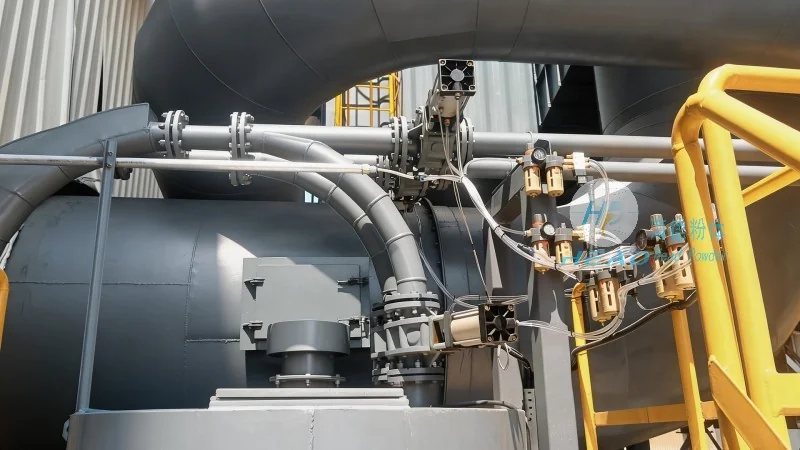
Another important factor is the desired system capacity and throughput. Industrial facilities may require high-volume transport for large-scale operations, while others might need a more compact system for smaller-scale applications. The system's efficiency in terms of energy consumption and material handling speed is also a key consideration, as it directly impacts operational costs. Furthermore, the environmental and safety requirements of the facility must be taken into account, as some pneumatic systems may generate dust or require specific air filtration and ventilation measures.
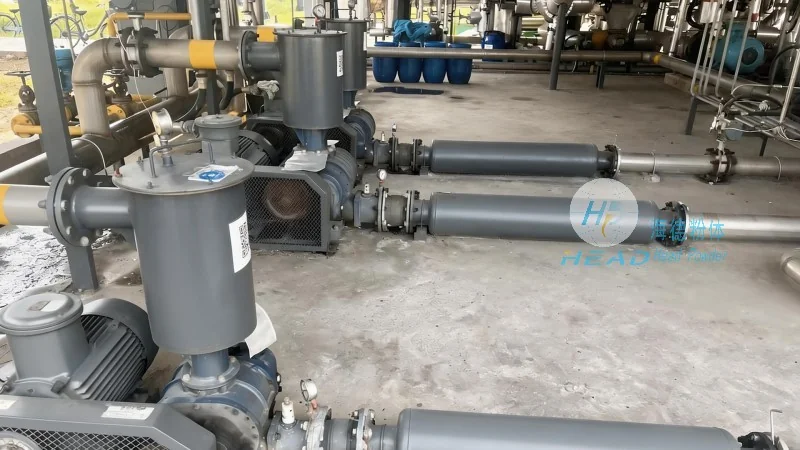
Types of Pneumatic Conveying Systems for Mineral Sands
There are primarily two types of pneumatic conveying systems used in mineral sand handling: positive pressure and negative pressure systems. Positive pressure systems, also known as pressure conveying, use a blower or compressor to force air and material through the pipeline. This method is suitable for long-distance or high-capacity transport and can handle abrasive or sticky materials effectively. Negative pressure systems, or vacuum conveying, use a vacuum pump to draw material into the system and transport it through the pipeline. This type is often preferred for shorter distances and for handling materials that are sensitive to pressure or require gentle handling.
For mineral sands, the choice between these systems depends on the specific application requirements. Positive pressure systems are commonly used in large-scale mining and processing operations where high throughput and long-distance transport are needed. They are capable of handling large volumes of material and can be integrated with other processing equipment. Negative pressure systems, on the other hand, are ideal for applications that require precise control over material flow or for handling materials that are prone to dust generation. Both systems can be customized to meet the unique characteristics of the mineral sand being transported, ensuring optimal performance and minimal downtime.
HeadPowder Engineering: Your Partner in Pneumatic Conveying Solutions
Shandong HeadPowder Engineering Co., Ltd., a leading manufacturer based in Shandong, China, specializes in designing and manufacturing high-quality pneumatic conveying systems tailored to the needs of mineral sand handling industries. With years of experience in the field, HeadPowder has developed a reputation for delivering reliable, efficient, and cost-effective solutions that meet the stringent requirements of modern industrial operations. The company's expertise lies in understanding the unique challenges of mineral sand transport and providing customized systems that address these challenges effectively.
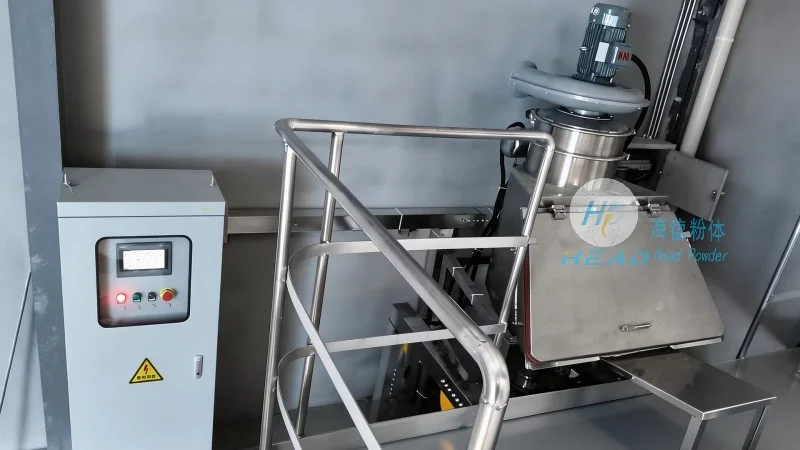
HeadPowder's pneumatic conveying systems are engineered to handle a wide range of mineral sand characteristics, from fine powders to coarse granules. The company's products are designed with durability and efficiency in mind, incorporating advanced materials and components that resist wear and corrosion, ensuring long-term performance. Additionally, HeadPowder offers comprehensive support services, including system design, installation, and maintenance, to ensure that clients can maximize the benefits of their pneumatic conveying systems.
By choosing a pneumatic conveying system from HeadPowder, industrial facilities can enhance their mineral sand handling processes, reduce operational costs, and improve overall productivity. The company's commitment to quality and customer satisfaction has made it a trusted partner for many businesses in the mineral processing and handling sector. Whether you are a new or existing client, HeadPowder is dedicated to providing the right solution to meet your specific mineral sand conveying needs.