

How to Choose the Right Pneumatic Conveying System for Your Feather Handling Process?
When it comes to managing feather handling processes in the poultry processing industry, selecting the appropriate pneumatic conveying system is crucial for ensuring efficiency, product integrity, and operational reliability. The right system can significantly impact the overall performance of your feather processing line, from collection to storage or further processing stages. This guide aims to help you navigate the key considerations and factors to evaluate when choosing a pneumatic conveying system tailored to your feather handling needs.
Understanding the Core Requirements of Feather Handling Processes
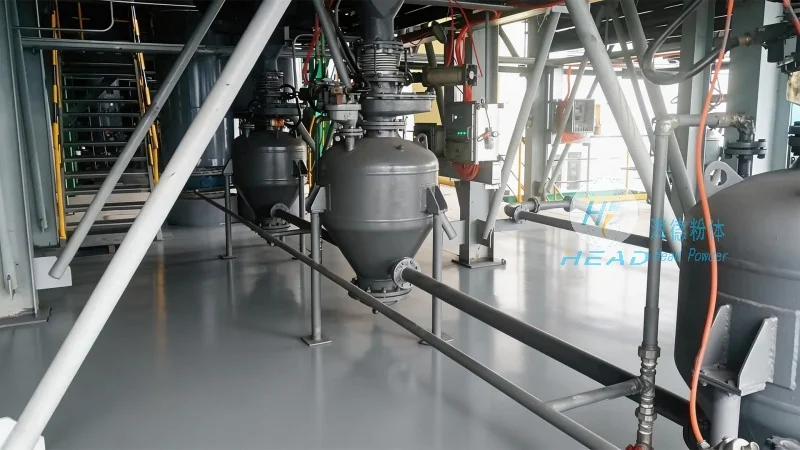
Before diving into system selection, it's essential to understand the specific demands of your feather handling workflow. Feather materials vary in size, moisture content, and density, which directly influence the type of pneumatic conveying system that will be most effective. For instance, systems designed for handling fine, dry feathers may differ from those needed for handling wet or sticky feathers. Additionally, the scale of your operation—whether it's a small-scale farm or a large industrial processing facility—will dictate the required capacity and throughput of the conveying system. Evaluating these core requirements upfront helps in narrowing down the options and focusing on systems that can meet your operational needs without unnecessary complexity or cost overruns.
Types of Pneumatic Conveying Systems for Feather Handling
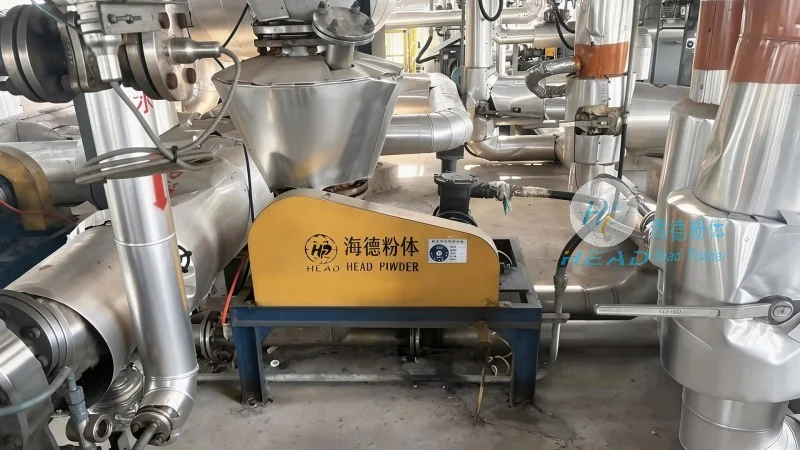
There are primarily two types of pneumatic conveying systems commonly used in feather processing: positive pressure and negative pressure systems. Each has its own advantages and is suitable for different scenarios. Positive pressure systems, as the name suggests, use compressed air to push the material through the conveying line. This method is often preferred for handling dry, free-flowing feathers as it provides consistent and reliable transport. On the other hand, negative pressure systems use suction to draw the material into the system, which can be beneficial for handling materials that are more prone to dust or for applications where the material needs to be transported over longer distances or through multiple points. Understanding the differences between these systems and how they interact with feather characteristics is key to making an informed decision.
Key Factors to Consider When Selecting a Pneumatic Conveying System
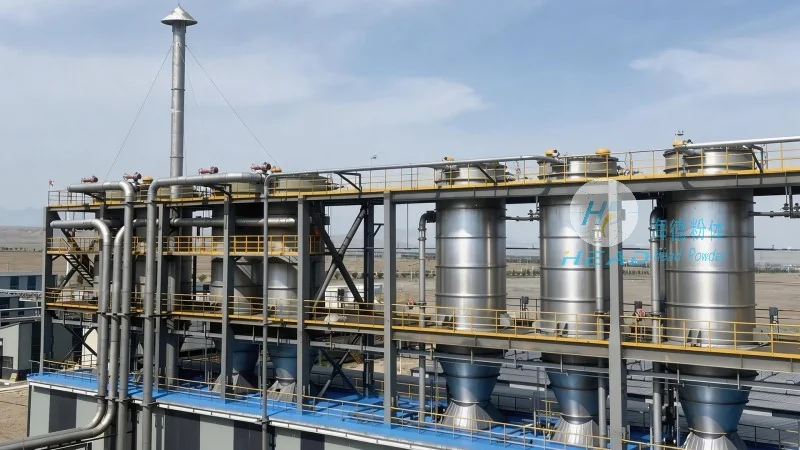
Several critical factors must be considered when choosing a pneumatic conveying system for feather handling. First, the system's capacity and throughput are paramount. The conveying system must be able to handle the volume of feathers produced during peak operational periods without bottlenecks or delays. This involves assessing the feed rate, the distance the material needs to travel, and the number of transfer points in the system. Second, the material's physical properties play a significant role. Feather materials can be delicate, and the conveying system must be designed to minimize damage during transport. This includes considering the system's pressure ratings, the type of ductwork used, and the presence of any internal components that could cause abrasion or breakage. Third, energy efficiency and operational costs are important considerations. Modern pneumatic conveying systems often incorporate energy-saving features, such as variable speed drives or optimized air flow, which can reduce long-term operational expenses. Additionally, the system's maintenance requirements and the availability of spare parts should be evaluated to ensure minimal downtime and ease of upkeep.
How Shandong HeadPowder Engineering Co., Ltd. Can Assist with System Selection
Shandong HeadPowder Engineering Co., Ltd., a leading provider of pneumatic conveying solutions, specializes in designing and manufacturing systems tailored to the unique needs of feather handling processes. With years of experience in the industry, HeadPowder understands the challenges associated with transporting feather materials and offers customized solutions that address specific operational requirements. The company's team of engineers works closely with clients to assess their feather handling processes, identify potential bottlenecks, and recommend the most suitable pneumatic conveying system. Whether you need a system for small-scale feather collection or a large-scale industrial processing line, HeadPowder provides comprehensive support from initial consultation to system installation and maintenance. By leveraging their expertise and advanced technology, HeadPowder ensures that your feather handling operations run smoothly and efficiently, maximizing productivity while minimizing costs.