

How to Choose the Right Pneumatic Conveying System for Your Food Processing Operation?
When it comes to managing the flow of bulk materials in food processing facilities, selecting the appropriate pneumatic conveying system is a critical decision that impacts efficiency, product quality, and operational costs. The right system ensures that powders, granules, and other food ingredients are transported safely and hygienically, adhering to strict industry standards. This guide will walk you through the key considerations and steps to help you choose the most suitable pneumatic conveying system for your specific food processing needs.
Understanding the Core Requirements of Food Processing Conveying
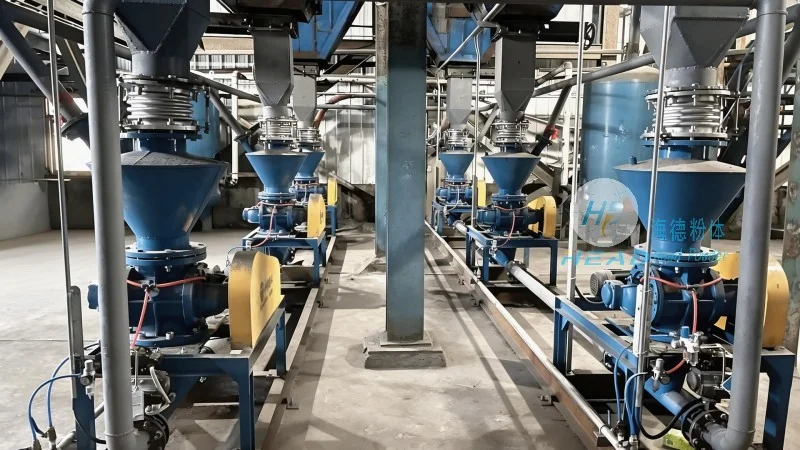
Before diving into system selection, it's essential to evaluate your facility's unique requirements. Consider factors such as the type of materials being handled—whether they are dry powders, wet granules, or other food products—and their properties like moisture content, particle size, and flowability. These characteristics directly influence the choice of conveying technology. For instance, systems designed for fine powders may require different pressure levels and air velocities compared to those handling bulkier granules. Additionally, the distance and elevation changes between the source and destination points are crucial. Understanding these parameters helps in matching the system's capacity and performance to your operational demands.
Key Factors to Evaluate When Selecting a Pneumatic Conveying System
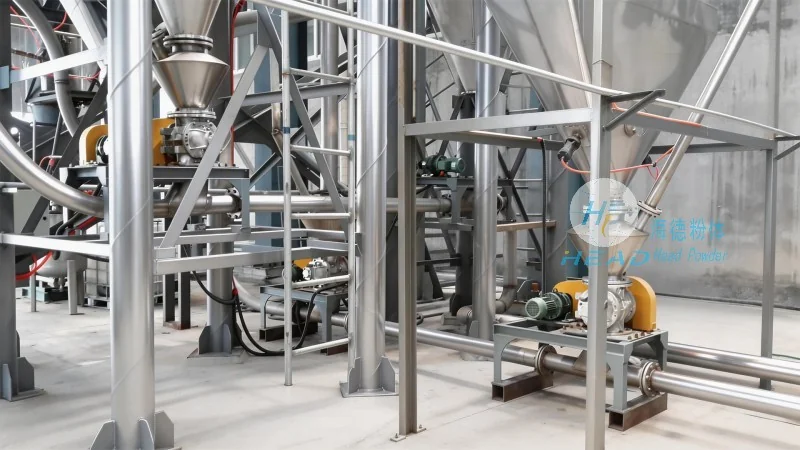
Several key factors should be evaluated when choosing a pneumatic conveying system for food processing. First, consider the system's capacity and throughput. The required flow rate will determine whether a low-pressure or high-pressure system is more appropriate. Low-pressure systems are often used for short distances and moderate capacities, while high-pressure systems are ideal for longer distances and higher throughput. Second, hygiene and sanitation are paramount in food processing. The system must be constructed from materials that are easy to clean and maintain, such as stainless steel, and should meet FDA or EU regulations. This includes features like smooth surfaces, no dead zones, and easy access for cleaning. Third, energy efficiency plays a significant role in long-term operational costs. Systems with variable frequency drives (VFDs) can adjust air pressure and flow based on demand, reducing energy consumption. Fourth, reliability and maintenance are important. Systems with fewer moving parts and simpler designs often have lower maintenance requirements and higher uptime. By evaluating these factors, you can narrow down the options and focus on systems that best align with your needs.
Types of Pneumatic Conveying Systems for Food Processing
There are several types of pneumatic conveying systems available, each with its own advantages and applications. The most common types include dilute-phase and dense-phase systems. Dilute-phase systems use low air velocities to transport materials in a dispersed state, making them suitable for short to medium distances and moderate capacities. They are often used for fine powders and granules. Dense-phase systems, on the other hand, use higher air velocities and lower flow rates to transport materials in a dense, plug-like flow. This method is ideal for longer distances and for materials that are prone to segregation or degradation. Dense-phase systems also offer better control over material discharge and can handle more abrasive or sensitive products. Another type is the pressure or vacuum system, which uses either positive pressure or negative pressure to move materials. Pressure systems are typically used for short distances and can handle a wide range of materials, while vacuum systems are suitable for longer distances and for materials that need to be transported from multiple sources to a central collection point. Understanding the differences between these systems helps in selecting the most appropriate one for your food processing operation.
How Shandong HeadPowder Engineering Co., Ltd. Can Assist
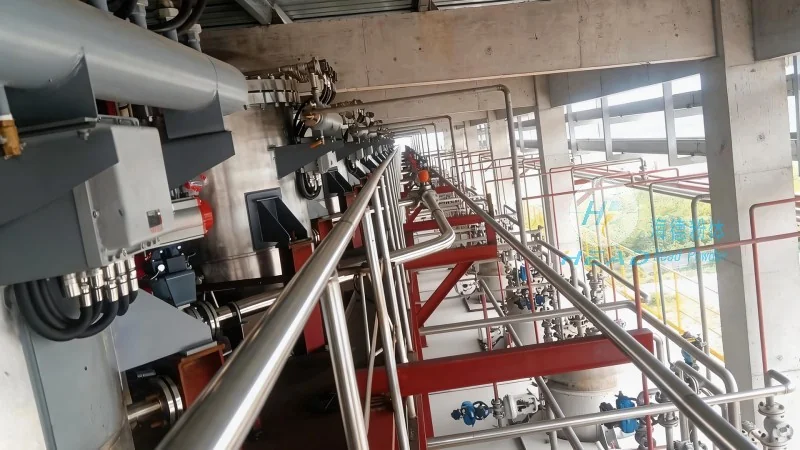
For businesses seeking reliable and efficient pneumatic conveying solutions for their food processing operations, Shandong HeadPowder Engineering Co., Ltd. offers comprehensive expertise and tailored systems. As a leading provider in the industry, HeadPowder specializes in designing and manufacturing pneumatic conveying systems that meet the stringent requirements of the food and beverage sector. The company's team of engineers and technicians works closely with clients to understand their specific needs, from material characteristics to operational constraints. By leveraging advanced technology and adherence to industry standards, HeadPowder delivers systems that enhance productivity, ensure product integrity, and reduce operational costs. Whether you need a new system installation or an upgrade to an existing one, HeadPowder provides end-to-end solutions, including design, manufacturing, installation, and maintenance services. The company's commitment to quality and customer satisfaction has made it a trusted partner for many food processing facilities across China and beyond.
Conclusion: Making the Right Choice for Your Food Processing Conveying Needs
Selecting the right pneumatic conveying system for your food processing operation is a decision that requires careful consideration of various factors. By evaluating your material properties, operational requirements, and the key features of different systems, you can make an informed choice that enhances efficiency and ensures product quality. Working with a reputable company like Shandong HeadPowder Engineering Co., Ltd. can provide the expertise and support needed to navigate the selection process and implement a system that meets your long-term goals. Whether you are a new facility or upgrading an existing one, investing in the right pneumatic conveying system is a strategic move that can significantly impact your bottom line and operational success.