

How to Choose the Right Pneumatic Conveying System for Your Sodium Phosphate Delivery Process?
For industrial operations dealing with sodium phosphate, selecting the appropriate pneumatic conveying system is a critical decision that impacts efficiency, safety, and overall operational costs. The right system ensures that sodium phosphate is transported reliably and safely from storage to processing units, minimizing downtime and maximizing productivity. This guide from Shandong HeadPowder Engineering Co., Ltd. outlines key factors to consider when choosing a pneumatic conveying system tailored to sodium phosphate delivery processes.
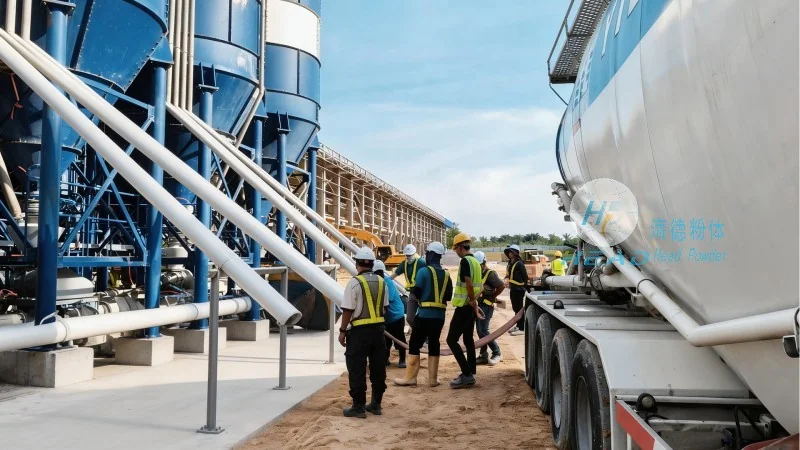
Understanding the Importance of Pneumatic Conveying for Sodium Phosphate
Sodium phosphate is a widely used chemical in various industries, including food, pharmaceuticals, and water treatment. Its handling requires systems that can maintain product integrity while ensuring safe and efficient transport. Pneumatic conveying systems offer several advantages over traditional methods like belt conveyors or bucket elevators. These systems use air to move bulk materials, reducing the risk of product contamination, minimizing mechanical wear, and providing a flexible solution for different plant layouts. For sodium phosphate, which can be hygroscopic or have specific flow characteristics, a well-designed pneumatic system is essential to prevent caking, segregation, or degradation during transport.
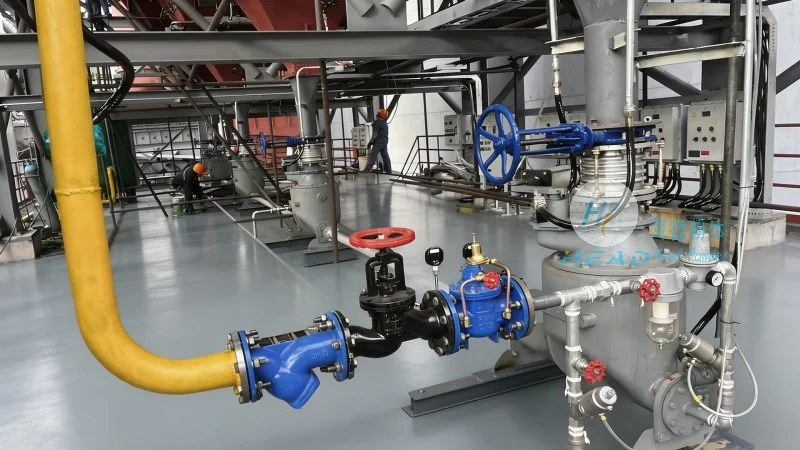
Key Factors to Evaluate When Selecting a Pneumatic Conveying System
When choosing a pneumatic conveying system for sodium phosphate delivery, several factors must be evaluated to ensure optimal performance. First, consider the material characteristics of sodium phosphate. This includes its bulk density, flowability, and potential for dust generation. Sodium phosphate can vary in particle size and moisture content, which affects how it behaves in a conveying system. A system designed for cohesive or fine particles may require specific air velocities and duct designs to prevent blockages. Second, assess the system's capacity and throughput requirements. The conveying system must match the production rate of the sodium phosphate facility, ensuring that it can handle the required volume without bottlenecks. Third, evaluate the plant layout and space constraints. Pneumatic systems can be installed in various configurations, including horizontal, vertical, or a combination of both, to fit existing infrastructure. Fourth, consider the environmental and safety regulations. Sodium phosphate may be handled in environments with strict dust control measures, and the system must comply with local regulations to prevent airborne emissions and ensure worker safety.
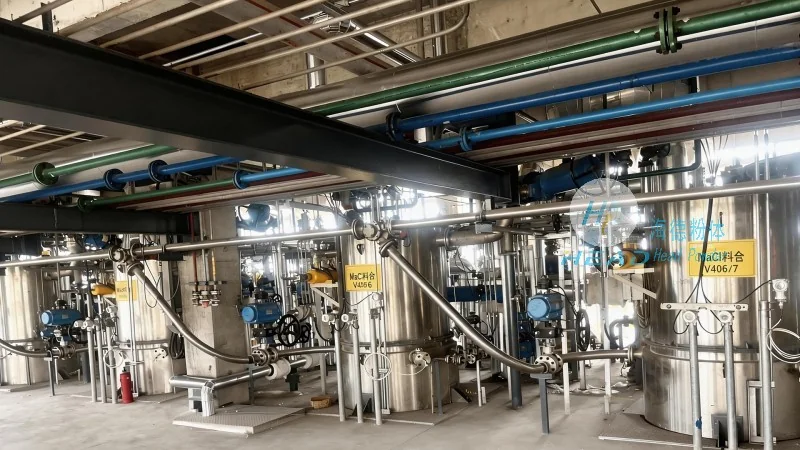
Types of Pneumatic Conveying Systems for Sodium Phosphate
There are several types of pneumatic conveying systems suitable for sodium phosphate, each with its own advantages and applications. The most common types include pressure conveying, vacuum conveying, and hybrid systems. Pressure conveying systems use compressed air to push the material through the ductwork. This method is ideal for long-distance or high-capacity transport, as it can maintain consistent air pressure to move the material efficiently. Vacuum conveying systems, on the other hand, use a vacuum to draw the material into the system. This is suitable for shorter distances or when the material needs to be collected from multiple points. Hybrid systems combine both pressure and vacuum capabilities, offering flexibility for complex layouts. For sodium phosphate, pressure conveying is often preferred for its ability to handle larger volumes and maintain product quality over longer distances. The choice of system depends on the specific operational needs, such as the distance between the storage and processing areas, the number of transfer points, and the required throughput.
Design Considerations for a Reliable Sodium Phosphate Conveying System
The design of a pneumatic conveying system for sodium phosphate must address several technical aspects to ensure reliability and longevity. First, the ductwork material is critical. Materials like stainless steel or food-grade plastics are commonly used to prevent corrosion and maintain product purity. The ducts must be smooth and free of sharp edges to avoid particle abrasion and blockages. Second, the air handling equipment, including blowers and filters, must be sized appropriately. The blower must provide sufficient air volume and pressure to move the sodium phosphate at the desired velocity without excessive energy consumption. Filters are essential to capture dust and prevent it from entering the system or the environment. Third, the system's control and monitoring features are important. Automated controls can adjust air pressure and flow based on real-time conditions, optimizing performance and preventing overloading. Monitoring systems can detect blockages or pressure drops, alerting operators to potential issues before they cause downtime. Fourth, maintenance considerations are crucial. The system should be designed for easy access to components for cleaning and maintenance, especially in food or pharmaceutical applications where hygiene is critical. Regular maintenance, such as filter replacement and duct cleaning, is necessary to ensure the system operates efficiently and maintains product quality.
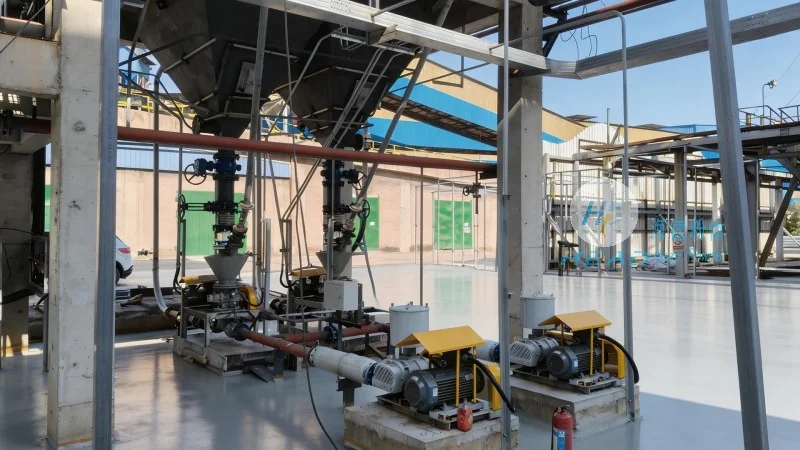
How Shandong HeadPowder Engineering Co., Ltd. Can Assist
Shandong HeadPowder Engineering Co., Ltd., a leading provider of pneumatic conveying solutions, offers comprehensive support in selecting and implementing the right system for sodium phosphate delivery. With years of experience in the industry, the company understands the unique challenges of handling sodium phosphate and designs systems tailored to specific operational needs. The company's team of engineers works closely with clients to assess their requirements, including material characteristics, plant layout, and performance goals. They provide detailed system designs, including ductwork layouts, air handling equipment specifications, and control systems. Shandong HeadPowder also offers installation and commissioning services to ensure the system is set up correctly and operates as intended. The company's commitment to quality and customer satisfaction ensures that clients receive a reliable and efficient pneumatic conveying system that meets their sodium phosphate delivery needs. By partnering with Shandong HeadPowder, industrial facilities can enhance their operational efficiency, reduce costs, and maintain the quality of their sodium phosphate products.