Công ty TNHH Kỹ thuật Headpowder Sơn Đông chuyên vận chuyển khí nén bột và hạt. Nhờ thế mạnh hợp tác doanh nghiệp‑trường‑viện, chúng tôi cung cấp giải pháp vận chuyển kín, không bụi, độ chính xác cao.
When it comes to handling and transporting cocoa powder, selecting the right conveying method is crucial for maintaining product quality, efficiency, and safety. As a leading provider in the industry, Shandong HeadPowder Engineering Co., Ltd. specializes in offering tailored solutions for cocoa powder transportation. This article explores various effective methods used for cocoa powder conveying, highlighting their applications and benefits.
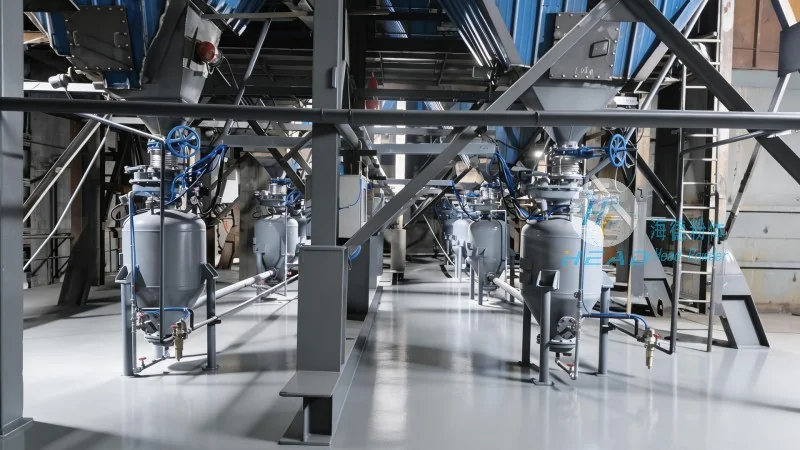
Understanding the Importance of Proper Cocoa Powder Conveying
Cocoa powder is a fine, delicate product that requires careful handling to prevent caking, clumping, or contamination. Traditional methods of manual handling can be inefficient and may lead to product degradation. Therefore, implementing an appropriate conveying system is essential for optimizing production processes and ensuring consistent product quality. The choice of conveying method depends on factors such as the volume of cocoa powder to be handled, the distance it needs to travel, the environment of the facility, and the desired level of automation.
Common Conveying Methods for Cocoa Powder
Screw Conveyors for Cocoa Powder
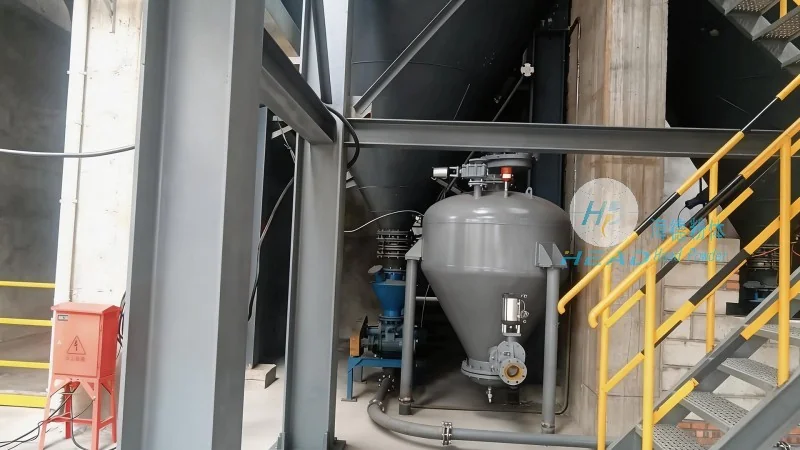
Screw conveyors, also known as auger conveyors, are widely used for cocoa powder transportation due to their simplicity and effectiveness. These systems consist of a rotating helical screw inside a tube or trough, which moves the material forward through the conveyor. For cocoa powder, screw conveyors are particularly suitable for short to medium distances and horizontal or slight incline applications. They are ideal for handling dry, free-flowing powders like cocoa powder, as they can maintain a consistent flow without causing excessive pressure or friction. The design of the screw, including its pitch and diameter, can be adjusted to control the speed and capacity of the conveyor. Additionally, screw conveyors are relatively low-cost and easy to install, making them a popular choice for small to medium-sized operations.
Air-Lift or Pneumatic Conveying Systems
Pneumatic conveying systems use air or other gases to transport cocoa powder through a pipeline. This method is highly effective for long-distance and high-volume transportation, as it can move material over several hundred meters with minimal loss. There are two main types of pneumatic conveyors: pressure and vacuum systems. Pressure systems push the material forward using compressed air, while vacuum systems draw the material into the system using a vacuum. For cocoa powder, vacuum systems are often preferred because they are gentler on the product, reducing the risk of particle damage or degradation. Pneumatic conveyors are particularly useful for applications where the cocoa powder needs to be transported from multiple points to a central processing area or storage silo. They can also be integrated with other equipment, such as mixers or classifiers, to create a seamless production line.
Belt Conveyors for Bulk Cocoa Powder
Belt conveyors are another common option for cocoa powder conveying, especially when dealing with larger volumes or when the material needs to be transported over longer distances. These systems consist of a continuous belt that moves over rollers or pulleys, carrying the cocoa powder from one location to another. Belt conveyors are suitable for both horizontal and inclined transport, and they can handle a wide range of particle sizes and moisture contents. One of the key advantages of belt conveyors is their ability to transport large quantities of material at a consistent speed, making them ideal for high-throughput operations. They are also relatively easy to maintain and can be equipped with various accessories, such as hoppers, feeders, and discharge chutes, to enhance their functionality. However, belt conveyors may require more space and maintenance compared to other methods, and they are less suitable for fine powders that are prone to caking.
Bucket Elevators for Vertical Cocoa Powder Transport
For vertical transportation of cocoa powder, bucket elevators are an excellent choice. These systems use a series of buckets attached to a chain or belt that moves vertically, lifting the material from a lower to a higher level. Bucket elevators are highly efficient for moving large volumes of material over vertical distances, and they can handle both dry and slightly moist cocoa powder. The design of the buckets, including their shape and spacing, can be optimized to prevent material from falling off during the lifting process. Bucket elevators are commonly used in facilities where cocoa powder needs to be lifted from a storage silo to a processing line or from a lower floor to an upper level. They are also relatively compact and can be installed in tight spaces, making them suitable for facilities with limited vertical space.
Combining Conveying Methods for Optimal Performance
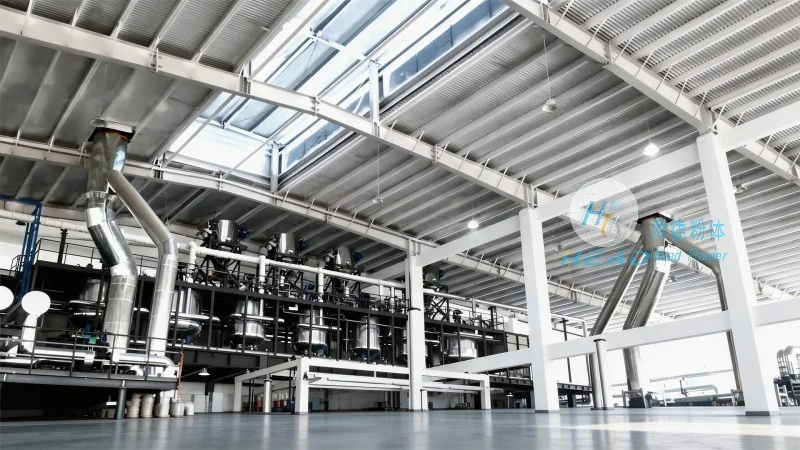
In many industrial settings, a single conveying method may not be sufficient to meet all the requirements of cocoa powder handling. Therefore, combining different types of conveyors can create a more efficient and flexible system. For example, a screw conveyor can be used to feed a pneumatic conveyor, which then transports the cocoa powder to a storage silo. This combination allows for the handling of both short and long distances, as well as vertical and horizontal transport. Similarly, belt conveyors can be integrated with bucket elevators to create a complete material handling system. The key to an effective combination is to ensure that the different components are properly matched in terms of capacity, speed, and material flow. Shandong HeadPowder Engineering Co., Ltd. specializes in designing and manufacturing customized conveying systems that integrate multiple methods to meet the specific needs of their clients.
Choosing the Right Conveying System for Your Cocoa Powder Operations
When selecting a conveying system for cocoa powder, it is essential to consider several factors to ensure optimal performance and product quality. First, the volume of cocoa powder to be handled should be determined, as this will influence the capacity and size of the conveyor. Second, the distance and direction of transport should be evaluated, as this will determine whether a horizontal, inclined, or vertical system is needed. Third, the physical properties of the cocoa powder, such as its particle size, moisture content, and flowability, should be taken into account, as these factors affect the choice of conveyor type. Fourth, the level of automation required should be considered, as some systems are more suitable for manual operation while others are designed for fully automated processes. Finally, the budget and maintenance requirements should be evaluated, as different conveying methods have varying costs and maintenance needs.
By carefully evaluating these factors and selecting the appropriate conveying method, businesses can improve their cocoa powder handling efficiency, reduce product loss, and ensure consistent quality. Shandong HeadPowder Engineering Co., Ltd. offers a range of conveying solutions tailored to the specific needs of their clients, helping them achieve their production goals while maintaining the highest standards of product quality.

 Shandong Headpowder Engineering Co., Ltd.
 156-6277-7102(Quản lý Trương)
  0531-83386006
  Thành phố Tế Nam, Tỉnh Sơn Đông, Trung Quốc
Điện thoại
WeChatTư vấn
Lên đầu