Công ty TNHH Kỹ thuật Headpowder Sơn Đông chuyên vận chuyển khí nén bột và hạt. Nhờ thế mạnh hợp tác doanh nghiệp‑trường‑viện, chúng tôi cung cấp giải pháp vận chuyển kín, không bụi, độ chính xác cao.
When it comes to the efficient handling and transportation of corn flour, selecting the right conveying method is crucial for maintaining product quality and operational efficiency. Various industries, particularly in food processing and agricultural processing, rely on specialized systems to move corn flour from storage to processing lines or packaging areas. This article explores the common methods used for corn flour conveying, highlighting the key considerations and applications of each approach.
1. Mechanical Conveying Systems
Mechanical conveying systems are widely used in corn flour handling due to their reliability and ability to handle bulk materials. These systems typically involve components such as screw conveyors, belt conveyors, and bucket elevators. Screw conveyors, for instance, use a rotating helical screw to move corn flour through a tube or trough, providing a continuous and controlled flow. This method is particularly effective for horizontal or slightly inclined transport, making it suitable for short to medium distance conveying. Belt conveyors, on the other hand, utilize a continuous belt to transport corn flour, often equipped with side walls or hoppers to contain the material. They are versatile and can handle a wide range of particle sizes and moisture levels, making them adaptable to different production environments. Bucket elevators are another mechanical option, using a series of buckets attached to a chain or belt to lift corn flour vertically. This method is ideal for vertical transport, allowing for efficient movement from lower to higher levels in processing facilities. The choice of mechanical conveying system depends on factors like the volume of corn flour to be handled, the distance between points, and the physical characteristics of the flour itself.
2. Pneumatic Conveying Systems
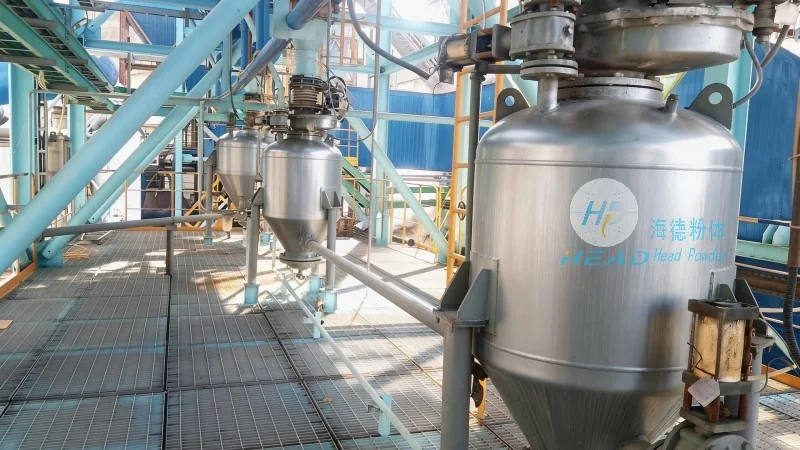
Pneumatic conveying systems utilize air or other gases to transport corn flour, offering a flexible and often dust-free solution. These systems can be categorized into two main types: pressure and vacuum. Pressure systems force air through a pipeline at a higher pressure, pushing corn flour along the line. This method is suitable for long-distance conveying and can handle both dilute and dense phase flows. Vacuum systems, conversely, create a negative pressure to draw corn flour into the pipeline. They are commonly used for short to medium distances and are effective for handling fine powders like corn flour, as they minimize product degradation and contamination. Pneumatic conveying is particularly advantageous in environments where dust control is a priority, as the enclosed system prevents dust from escaping into the air. Additionally, these systems can be easily integrated with other processing equipment, allowing for seamless material transfer. However, the design of pneumatic systems requires careful consideration of air velocity, pipeline diameter, and material properties to ensure efficient and reliable operation.
3. Hydraulic Conveying Systems
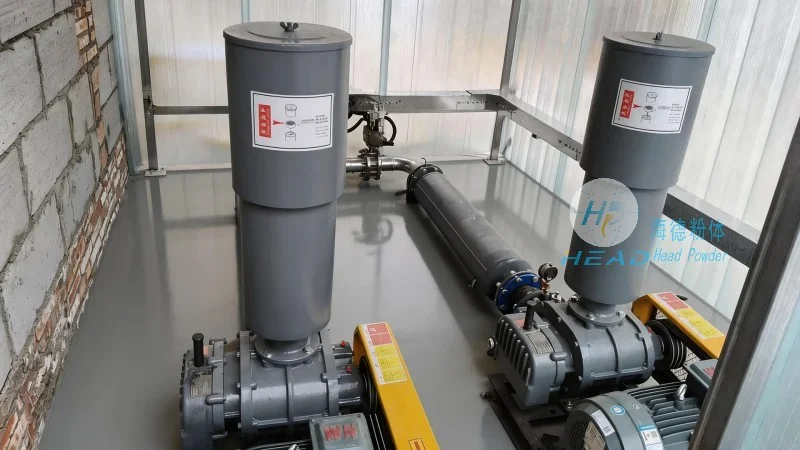
Hydraulic conveying systems employ water or other liquids to transport corn flour, typically used in applications where the flour is mixed with water or other liquids. This method is often employed in wet milling processes or when corn flour needs to be conveyed in a slurry form. The system consists of a pump that circulates the liquid, carrying the corn flour through pipes to the desired location. Hydraulic conveying is effective for handling wet or sticky materials, as the liquid helps to keep the flour suspended and prevents clogging. It is particularly useful in large-scale processing facilities where high volumes of material need to be moved. However, this method requires additional equipment for liquid management and may not be suitable for dry corn flour applications. The efficiency of hydraulic conveying depends on the pump capacity, pipeline design, and the viscosity of the liquid used.
4. Air-Liquid Conveying Systems
Air-liquid conveying systems combine elements of both pneumatic and hydraulic methods, using a mixture of air and liquid to transport corn flour. This approach is particularly effective for handling fine powders that are difficult to convey using traditional methods. The system typically involves injecting air into a liquid stream, creating a two-phase flow that carries the corn flour. This method offers advantages such as reduced energy consumption compared to pure pneumatic systems and improved material handling for wet or sticky powders. Air-liquid conveying is commonly used in industries where both dust control and efficient material transport are required. The design of these systems requires balancing the air and liquid ratios to achieve optimal conveying performance. This method is especially beneficial for applications involving long-distance or vertical transport of corn flour.
5. Gravity Conveying Systems
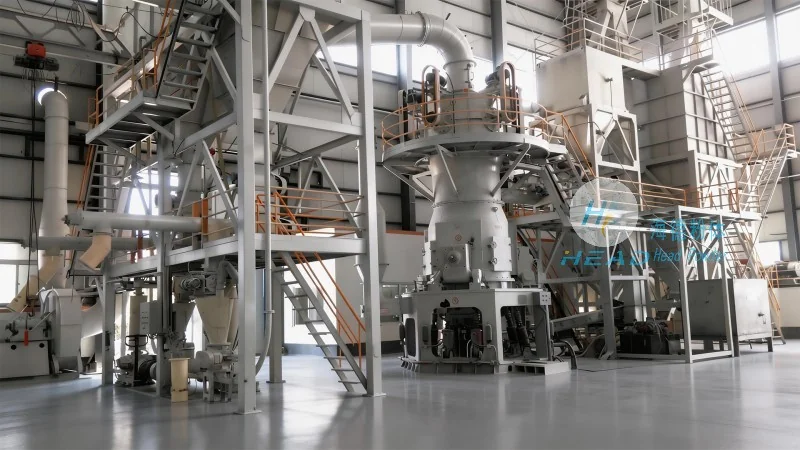
Gravity conveying systems rely on the natural force of gravity to move corn flour from higher to lower levels. These systems are simple and cost-effective, often used in applications where the vertical drop is sufficient to move the material. They typically involve chutes or sloped pipes that allow corn flour to flow under the influence of gravity. This method is ideal for short vertical or inclined distances and is commonly used in storage silos or processing plants where the flour is stored at an elevated level and needs to be moved to a lower processing line. Gravity conveying systems are simple to install and maintain, with minimal moving parts, reducing the risk of mechanical failure. However, they are limited by the height and angle of the slope, and are not suitable for long horizontal distances or when the flour needs to be moved against gravity. The efficiency of gravity conveying depends on the angle of the chute and the physical properties of the corn flour, such as its density and moisture content.
6. Combination Conveying Systems
In many industrial settings, a single conveying method may not be sufficient to meet all the requirements of corn flour handling. Therefore, combination systems that integrate multiple technologies are often used. For example, a system might combine a mechanical conveyor for horizontal transport with a pneumatic system for vertical or long-distance movement. This approach allows for flexibility and adaptability to different operational needs. Combination systems are particularly useful in large-scale processing facilities where various stages of corn flour processing require different conveying methods. They can be designed to handle varying volumes and material characteristics, ensuring efficient and continuous operation. The integration of multiple systems requires careful planning and coordination to ensure smooth material flow and minimal downtime. Companies like Shandong HeadPowder Engineering Co., Ltd. specialize in designing and manufacturing customized combination conveying systems tailored to the specific needs of their clients.
7. Key Factors in Choosing a Conveying Method
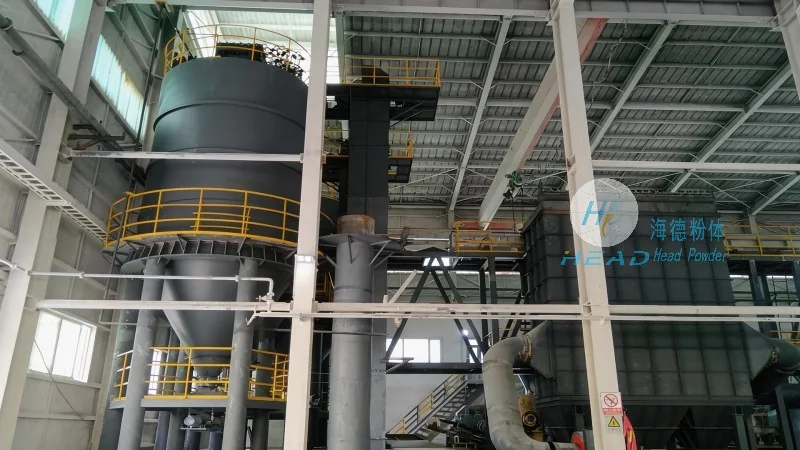
When selecting a corn flour conveying method, several factors must be considered to ensure optimal performance and cost-effectiveness. The first factor is the volume of corn flour to be handled, as this determines the required capacity of the conveying system. Larger volumes may require more robust systems such as high-capacity screw conveyors or pneumatic systems. The second factor is the distance and direction of transport, as different methods are better suited for horizontal, vertical, or inclined movement. For example, pneumatic systems are ideal for long-distance horizontal transport, while bucket elevators are better for vertical movement. The third factor is the physical properties of the corn flour, including particle size, moisture content, and bulk density. These properties affect the flow characteristics and the risk of clogging or degradation during transport. The fourth factor is the need for dust control and environmental compliance, as some methods like pneumatic conveying offer better dust containment than mechanical systems. Finally, the cost of installation, operation, and maintenance must be considered, as different systems have varying capital and operational expenses. By evaluating these factors, companies can choose the most suitable conveying method for their specific corn flour handling needs.
8. Conclusion
Efficient corn flour conveying is essential for maintaining productivity and product quality in food processing and agricultural industries. The choice of conveying method depends on various factors, including the volume, distance, and physical properties of the corn flour, as well as operational requirements such as dust control and cost. Mechanical, pneumatic, hydraulic, and gravity systems each offer unique advantages and are suitable for different applications. Combination systems provide flexibility for complex processing environments. Companies like Shandong HeadPowder Engineering Co., Ltd. play a crucial role in designing and implementing these systems, ensuring that corn flour is transported safely and efficiently. By understanding the characteristics of each conveying method and considering the specific needs of their operations, businesses can select the most appropriate system to enhance their overall performance and competitiveness.

 Shandong Headpowder Engineering Co., Ltd.
 156-6277-7102(Quản lý Trương)
  0531-83386006
  Thành phố Tế Nam, Tỉnh Sơn Đông, Trung Quốc
Điện thoại
WeChatTư vấn
Lên đầu