

Common Methods for Sintered Dust Transportation
When it comes to handling sintered dust, selecting the right transportation method is crucial for efficiency and safety. Sintered dust, a byproduct from sintering processes in industries like steelmaking and metallurgy, requires specialized handling due to its fine particle size and potential for dust explosions. The choice of transportation method depends on factors such as dust characteristics, distance, and operational requirements. Below are some of the most common methods used for sintered dust transportation, each with its own advantages and applications.
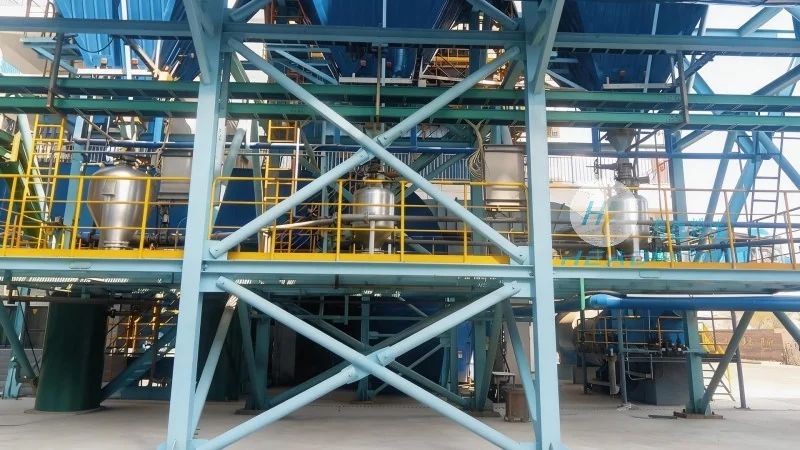
Pipeline Transportation for Sintered Dust
One of the most traditional and widely used methods for sintered dust transportation is pipeline transportation. This method involves conveying the dust through a closed pipeline system using pressure or vacuum. The pipeline system typically consists of steel or plastic pipes, with appropriate fittings and valves to control the flow. For sintered dust, which is often dry and fine, pipeline transportation can be effective when the distance is relatively short, typically up to a few hundred meters. The system is enclosed, which helps in preventing dust from escaping into the environment and reducing the risk of dust explosions. Companies like Shandong HeadPowder Engineering Co., Ltd. specialize in designing and manufacturing pipeline systems tailored to the specific needs of sintered dust, ensuring reliable and safe transport. The pipeline method is particularly suitable for continuous production lines where a steady flow of dust is required.
Air-Powered (Pneumatic) Conveying Systems
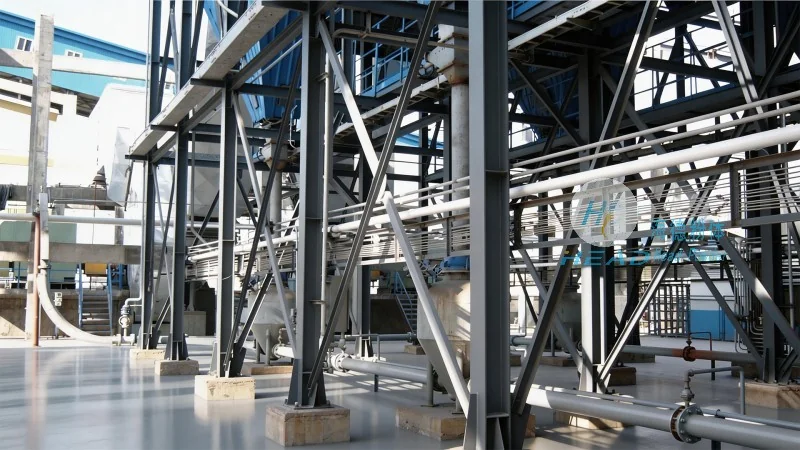
Air-powered or pneumatic conveying systems are another common approach for transporting sintered dust. This method uses compressed air to move the dust particles through a pipeline. There are two main types of pneumatic conveying: positive displacement and negative pressure (vacuum) systems. Positive displacement systems use a pump to push the dust through the pipe, while vacuum systems use a fan to create a suction that draws the dust into the pipeline. Pneumatic conveying is ideal for longer distances and can handle a wide range of dust types, including sintered dust with varying particle sizes. It offers flexibility in terms of layout, as the pipeline can be arranged in various configurations to suit the plant layout. However, it requires careful consideration of air pressure and flow rates to prevent dust clogging or excessive energy consumption. HeadPowder, as a professional engineering company, provides customized pneumatic conveying solutions that optimize performance and efficiency for sintered dust transport.
Mechanical Conveyors for Sintered Dust
Mechanical conveyors, such as belt conveyors, screw conveyors, and bucket elevators, are also used for sintered dust transportation. These systems rely on mechanical components to move the dust. Belt conveyors are commonly used for horizontal or slightly inclined transport, while screw conveyors are suitable for vertical or inclined transport. Bucket elevators are ideal for vertical lifting of sintered dust over significant heights. Mechanical conveyors are often preferred when the dust contains moisture or is sticky, as they can handle these conditions better than pneumatic systems. However, they may require more maintenance and are less suitable for long-distance transport compared to pipeline or pneumatic methods. The choice of mechanical conveyor depends on the specific characteristics of the sintered dust, such as its moisture content, particle size, and flowability. Shandong HeadPowder Engineering Co., Ltd. offers a range of mechanical conveyor solutions designed to handle different sintered dust properties, ensuring reliable and efficient transport.
Hybrid Systems for Sintered Dust Transportation
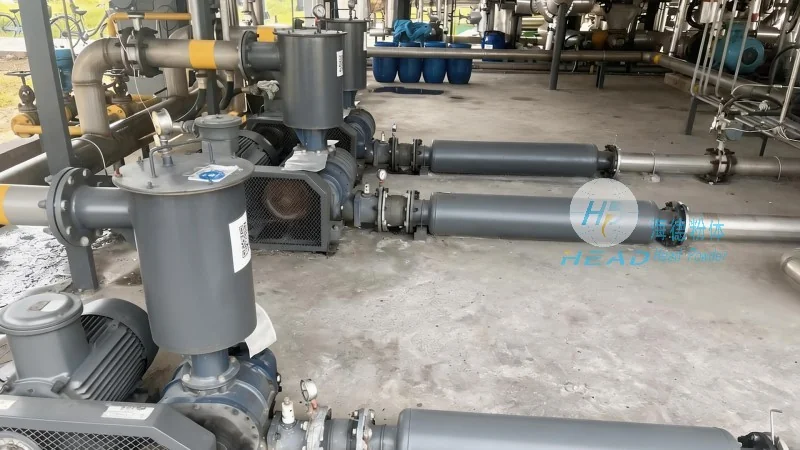
In some cases, a combination of the above methods may be used to form hybrid systems for sintered dust transportation. For example, a pneumatic system might be used to transport the dust from the source to a central collection point, followed by a mechanical conveyor to move it to the storage or processing area. Hybrid systems allow for the optimization of each method's strengths, providing a more efficient and flexible solution. They are particularly useful when dealing with complex plant layouts or when different sections of the plant require different transportation methods. The design of hybrid systems requires careful planning to ensure smooth integration and minimal downtime. HeadPowder specializes in designing and implementing hybrid transportation systems that meet the unique needs of clients, ensuring optimal performance and cost-effectiveness.
Key Considerations for Choosing a Sintered Dust Transportation Method
When selecting a transportation method for sintered dust, several factors must be considered to ensure the best outcome. First, the physical properties of the sintered dust, such as particle size, moisture content, and flowability, play a critical role. Dust with smaller particles may require more enclosed systems to prevent loss or explosion risks. Second, the distance and layout of the plant are important. Short distances may be suitable for pipeline or mechanical conveyors, while longer distances may necessitate pneumatic systems. Third, safety considerations are paramount. Sintered dust is a hazardous material due to its potential for dust explosions, so the chosen method must minimize the risk of dust dispersion and explosion. Fourth, operational costs, including energy consumption and maintenance, should be evaluated. Companies like Shandong HeadPowder Engineering Co., Ltd. provide comprehensive assessments to help clients choose the most appropriate transportation method based on these factors, ensuring long-term efficiency and safety.