

Methods for Clay Transportation: Options and Approaches
Clay, a versatile and essential material in various industries such as ceramics, construction, and chemical manufacturing, requires efficient and reliable transportation methods to ensure smooth production processes. The choice of clay transportation method depends on several factors, including the type of clay, production scale, environmental considerations, and operational requirements. This article explores the primary methods for clay transportation, highlighting the key approaches used by industries worldwide.
Key Factors Influencing Clay Transportation Choices
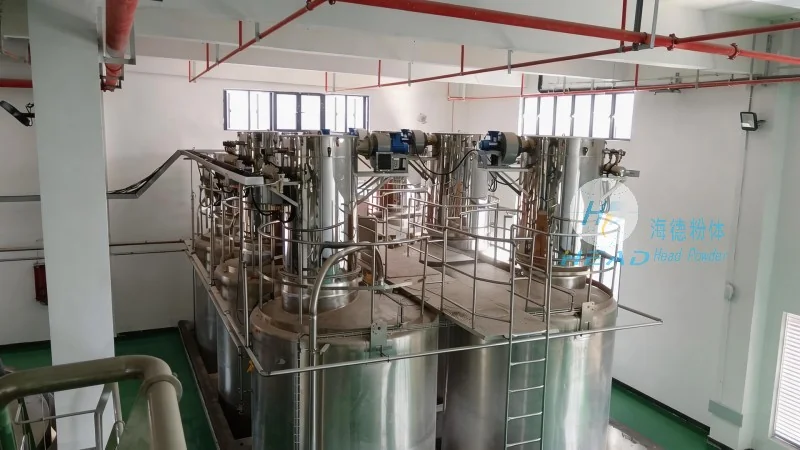
Before delving into specific transportation methods, it is crucial to understand the factors that influence the selection of the most suitable approach. The physical properties of clay, such as its moisture content, particle size, and density, play a significant role in determining the effectiveness of different systems. Additionally, the distance over which clay needs to be transported, the required throughput, and the need for minimal material degradation are critical considerations. For instance, wet clay may require different handling compared to dry clay, as wet clay is more cohesive and can be more challenging to move without clogging or damaging equipment. The scale of operations also matters; small-scale operations might opt for manual or semi-automated systems, while large-scale industrial facilities often rely on automated, high-capacity solutions.
Common Methods for Clay Transportation
Several methods are commonly employed for clay transportation, each with its own advantages and applications. The most prevalent methods include pipeline systems, screw conveyors, belt conveyors, and bucket elevators. Each of these systems is designed to handle clay in a manner that minimizes loss, maintains quality, and ensures operational efficiency.
Pipeline Systems for Clay Transportation
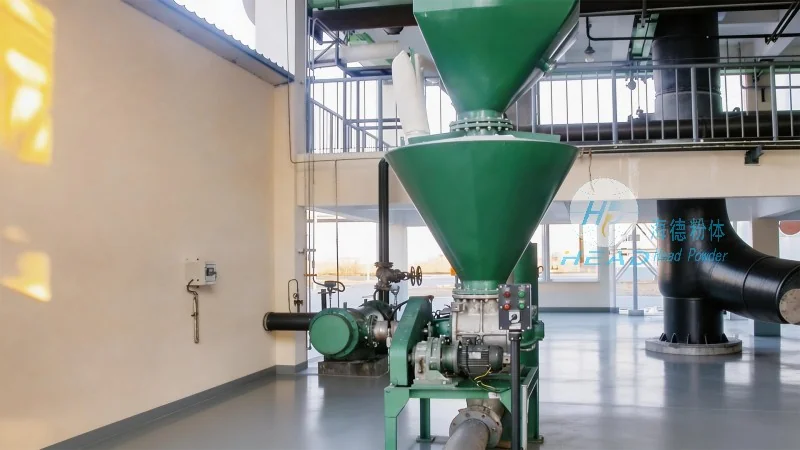
Pipeline systems are widely used for transporting clay, especially in applications where a continuous flow is required over long distances. These systems consist of a network of pipes through which clay is conveyed using pressure or vacuum. The clay is typically mixed with water to form a slurry, which is then pumped through the pipeline. This method is particularly effective for transporting wet clay, as the slurry can be easily pumped without the need for mechanical components that might clog or break down. The use of pipelines also reduces the risk of material contamination and provides a more hygienic environment, which is important in industries like food processing or pharmaceuticals where clay is used as an ingredient. However, pipeline systems require regular maintenance to prevent blockages and ensure consistent flow, and they may not be suitable for transporting dry or highly abrasive clay, as the slurry can cause wear on the pipe interior.
Screw Conveyors for Clay Handling
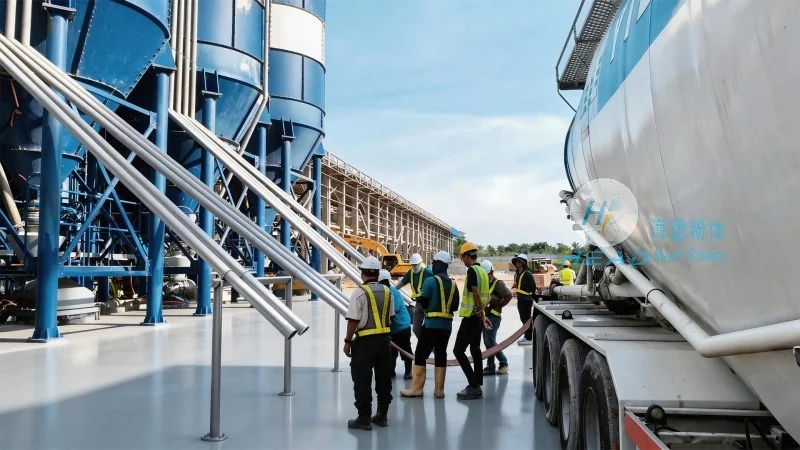
Screw conveyors, also known as auger conveyors, are another popular method for clay transportation. These systems use a rotating screw or auger to move clay along a trough. The screw is typically made of durable materials such as stainless steel or high-strength plastic to withstand the abrasive nature of clay. Screw conveyors are particularly effective for handling dry or semi-dry clay, as they can move material without the need for water, which can be advantageous in processes where moisture control is critical. They are also suitable for vertical or inclined transport, allowing clay to be moved from lower to higher levels with minimal energy consumption. However, screw conveyors may experience clogging if the clay is too wet or contains large particles, and they require regular cleaning to maintain efficiency. The design of the screw, including its pitch and diameter, is crucial for optimal performance, as it affects the capacity and speed of material movement.
Belt Conveyors for Bulk Clay Transport
Belt conveyors are widely used in bulk material handling, including clay, due to their high capacity and ability to transport materials over long distances. These systems consist of a continuous belt that moves over rollers or pulleys, with clay placed on the belt and carried to the destination. Belt conveyors are particularly effective for transporting dry clay in large quantities, as they can handle high throughput without significant wear. They are also suitable for horizontal or slightly inclined transport and can be integrated with other equipment, such as crushers or screens, to form a complete material handling system. The use of a belt conveyor allows for continuous operation, reducing downtime and increasing productivity. However, belt conveyors require regular maintenance to ensure the belt remains in good condition and to prevent material spillage, which can be a concern if the clay is too fine or cohesive. Additionally, the belt material must be chosen carefully to resist abrasion from the clay particles, as this can lead to premature wear and replacement.
Bucket Elevators for Vertical Clay Transport
Bucket elevators are specialized equipment used for vertical transportation of clay, particularly in applications where the material needs to be lifted to a higher level. These systems consist of a vertical or inclined conveyor with buckets attached to a chain or belt. As the conveyor moves, the buckets scoop up clay from a hopper and transport it upward. Bucket elevators are highly efficient for vertical transport, as they can move large volumes of material with minimal space requirements. They are particularly suitable for handling wet or sticky clay, as the buckets can effectively lift and move the material without clogging. However, bucket elevators require careful design to prevent material spillage and ensure smooth operation, as the buckets must be properly aligned and the chain or belt must be tensioned correctly. The speed and capacity of the elevator are critical factors, as they directly impact the overall throughput of the system.
Choosing the Right Clay Transportation Method
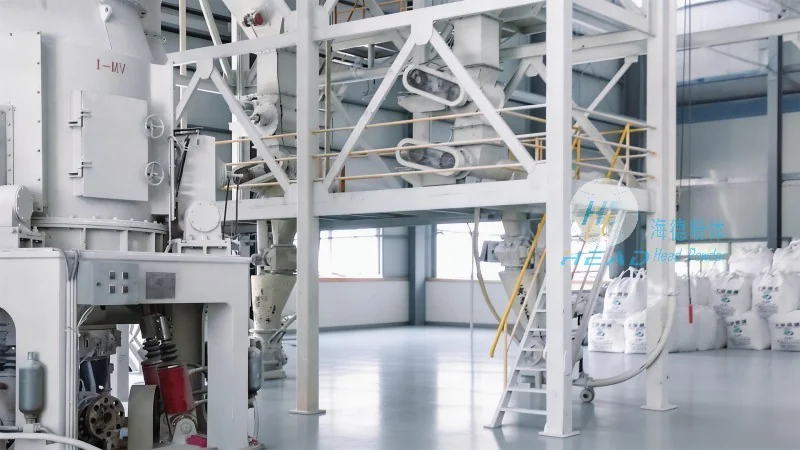
Selecting the appropriate clay transportation method is a critical decision that impacts operational efficiency, cost, and product quality. The choice should be based on a thorough analysis of the specific requirements of the application, including the type of clay, production scale, and operational environment. For example, small-scale operations may find screw conveyors or manual handling methods sufficient, while large-scale industrial facilities may require pipeline or belt conveyor systems. It is also important to consider the long-term maintenance costs and the availability of spare parts when choosing a system. Additionally, environmental regulations may influence the choice of transportation method, as some systems may generate more dust or require more water, which could affect compliance with local laws.
Conclusion
In conclusion, the methods for clay transportation vary depending on the specific needs of the industry and the properties of the clay being handled. Pipeline systems, screw conveyors, belt conveyors, and bucket elevators are all effective options, each with its own advantages and limitations. By carefully evaluating the factors that influence the selection of a transportation method, industries can choose the most suitable approach to ensure efficient, reliable, and cost-effective clay handling. As technology advances, new methods and materials may emerge to further improve clay transportation, but the fundamental principles remain focused on minimizing material loss, maintaining quality, and optimizing operational performance.