

What Are the Methods for Rice Transportation?
Rice is a staple food for billions of people worldwide, and efficient transportation of this grain from the field to processing facilities or markets is crucial for maintaining supply chains and ensuring quality. There are several methods available for rice transportation, each with its own advantages and applications. Understanding these methods can help businesses in the rice industry choose the most suitable option for their operations.
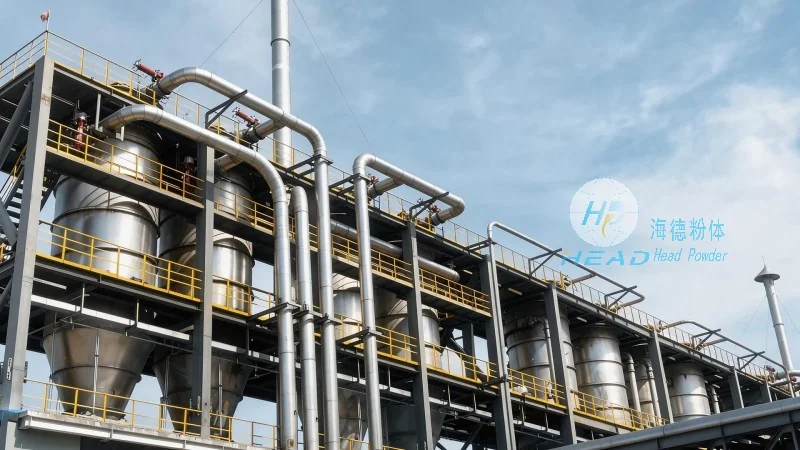
Overview of Rice Transportation Methods
When selecting a transportation method for rice, factors such as grain volume, distance, budget, and the need for minimal damage to the kernels are considered. Common methods include mechanical conveyors, pneumatic systems, and specialized trucks or vessels. Each method has specific characteristics that make it ideal for different scenarios.
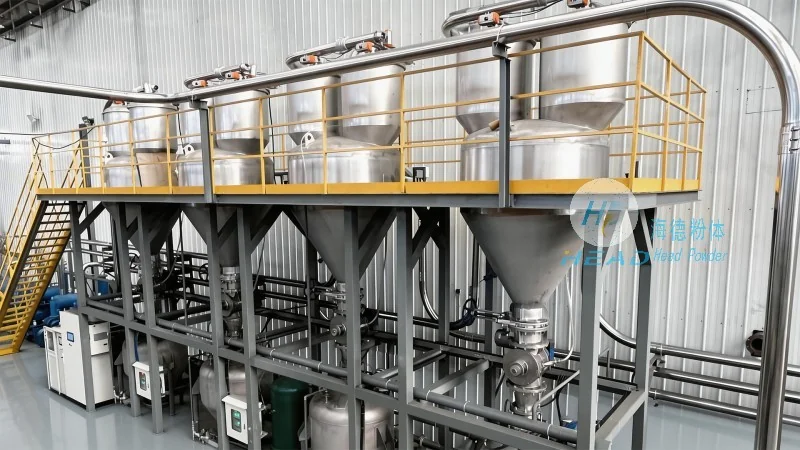
Mechanical Conveyors for Rice Handling
Mechanical conveyors are widely used in rice processing plants and warehouses for moving large quantities of rice. These systems typically consist of components like belt conveyors, screw conveyors, and bucket elevators. Belt conveyors are particularly effective for transporting rice over short to medium distances, while screw conveyors are suitable for vertical or inclined movement. Bucket elevators are used to lift rice from lower to higher levels, often in processing facilities. The mechanical nature of these systems ensures minimal product damage, which is essential for maintaining rice quality.
Pneumatic Conveying Systems
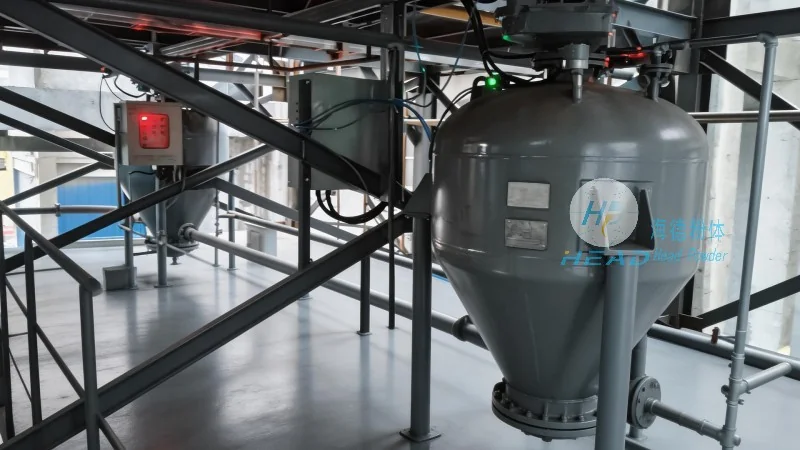
Pneumatic conveying, also known as air-based transport, is another popular method for rice transportation. This system uses air pressure to move rice through a network of pipes. There are two main types: positive displacement and negative pressure systems. Positive displacement systems push rice through the pipes using air blowers, while negative pressure systems create a vacuum to draw rice into the pipes. Pneumatic systems are ideal for long-distance transport and can handle both dry and slightly moist rice. They are often used in large-scale operations where flexibility and speed are required.
Specialized Transportation Vehicles
For transporting rice from farms to processing centers or distribution hubs, specialized vehicles are commonly employed. These include bulk trucks equipped with bulk containers or trailers designed specifically for grain transport. The containers are often lined with materials that prevent moisture and contamination, ensuring the rice remains in optimal condition during transit. Some operations also use railcars or barges for long-distance transport, especially when moving large volumes of rice over water or long distances by rail. These methods are cost-effective for bulk transport and can handle high volumes efficiently.
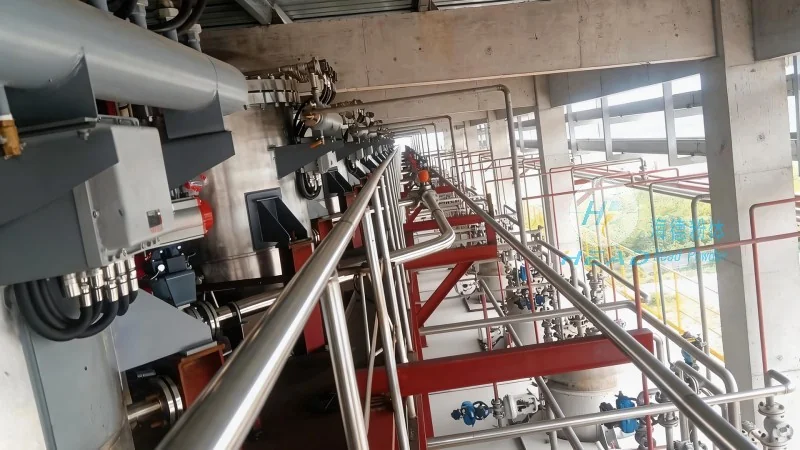
Factors to Consider When Choosing a Rice Transportation Method
When deciding on the best rice transportation method, several factors must be evaluated. The first is the scale of the operation—small farms may opt for smaller, more portable systems, while large processing plants require more robust and high-capacity solutions. The distance between the source and destination is another critical factor; short distances may be handled by mechanical conveyors, while long distances may necessitate pneumatic or specialized vehicle transport. Cost is also a significant consideration, as different methods have varying operational and capital expenses. Additionally, the need to preserve rice quality is paramount, as any damage to the kernels can affect market value and consumer acceptance.
Role of Shandong HeadPowder Engineering Co., Ltd. in Rice Transportation Solutions
Shandong HeadPowder Engineering Co., Ltd., a leading provider of engineering solutions in the grain processing industry, offers comprehensive support for rice transportation systems. The company specializes in designing and manufacturing customized mechanical and pneumatic conveying equipment tailored to the specific needs of rice operations. With years of experience in the industry, HeadPowder understands the unique challenges of rice handling, such as preventing breakage and maintaining moisture levels. Their solutions are engineered to ensure efficient, safe, and cost-effective transport of rice, helping businesses in the rice sector optimize their supply chains. The company's commitment to quality and innovation has made it a trusted partner for many rice processing facilities and agricultural enterprises.