Công ty TNHH Kỹ thuật Headpowder Sơn Đông chuyên vận chuyển khí nén bột và hạt. Nhờ thế mạnh hợp tác doanh nghiệp‑trường‑viện, chúng tôi cung cấp giải pháp vận chuyển kín, không bụi, độ chính xác cao.
For industrial applications, the efficient and reliable transportation of borax is crucial. Borax, a key chemical compound used in various industries such as glass manufacturing, detergents, and agriculture, requires appropriate conveying systems to ensure safety, efficiency, and cost-effectiveness. This article provides a detailed comparison of common borax conveying methods, highlighting their features, advantages, and practical considerations. The information is presented by Shandong HeadPowder Engineering Co., Ltd., a leading provider of chemical processing solutions based in China.
Introduction to Borax Conveying Methods
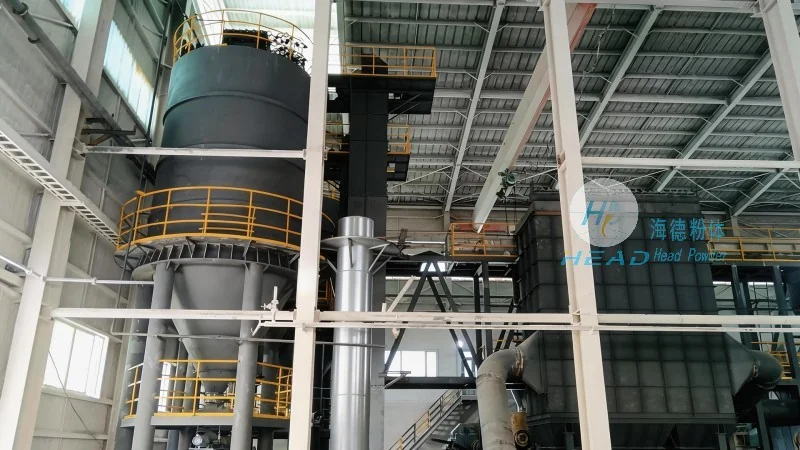
Borax, chemically known as sodium tetraborate decahydrate, is a white crystalline powder that is hygroscopic and can be challenging to handle due to its fine particle size and potential for dust generation. Conveying borax involves moving it from storage to processing units or from production to packaging areas. The choice of conveying method depends on factors like the volume of borax to be transported, the distance, the environment, and the required speed of operation. Common methods include pneumatic conveying, belt conveyors, screw conveyors, and bucket elevators. Each method has its own set of characteristics that make it suitable for specific applications.
Types of Conveying Systems for Borax
Pneumatic Conveying Systems: Pneumatic conveying uses air or other gases to transport borax particles through a pipeline. This method is ideal for handling fine powders and can be designed as either pressure or vacuum systems. Pressure systems push the material through the pipeline using compressed air, while vacuum systems draw the material into the system. Pneumatic conveying offers advantages such as the ability to transport materials over long distances, the flexibility to move materials between multiple points, and the reduction of dust exposure. However, it may require higher energy consumption and careful maintenance to prevent clogging and ensure consistent flow.
Advantages and Considerations of Pneumatic Conveying
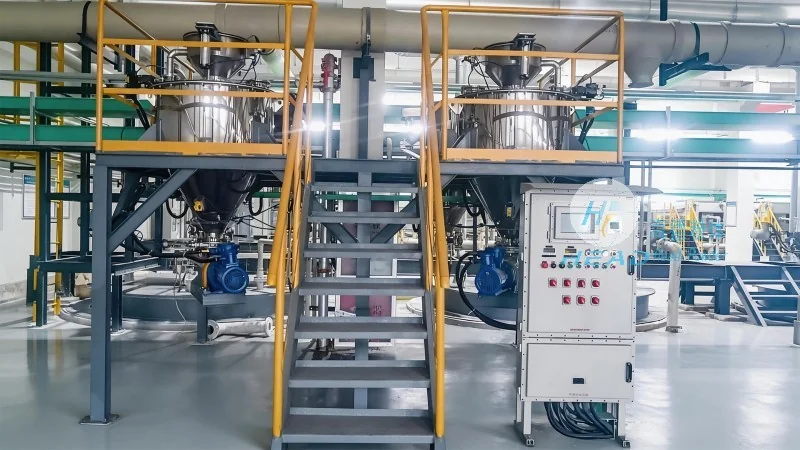
Pneumatic conveying is particularly effective for borax due to its ability to handle fine particles without the need for mechanical contact. This reduces the risk of particle degradation and contamination. The system can be integrated with other processing equipment, allowing for a seamless flow from storage to processing. However, the cost of compressed air and the complexity of the system may be higher compared to other methods. Additionally, the design must account for the hygroscopic nature of borax to prevent moisture absorption and caking in the pipeline.
Belt Conveyors for Borax Transport
Belt conveyors are a traditional and widely used method for transporting bulk materials, including borax. These systems consist of a continuous belt that moves over rollers or pulleys, carrying the material from one point to another. Belt conveyors are suitable for both horizontal and inclined transport, making them versatile for various industrial settings. They are particularly effective for transporting larger quantities of borax over moderate distances. The main advantages of belt conveyors include high capacity, low maintenance cost, and the ability to handle a wide range of particle sizes. However, they may require more space and are less suitable for transporting fine powders without additional dust control measures.
Advantages and Considerations of Belt Conveyors
Belt conveyors offer a cost-effective solution for borax transport, especially for applications requiring high throughput. The system is relatively simple to install and maintain, with minimal moving parts compared to other mechanical systems. The open design allows for easy inspection and cleaning, which is important for maintaining product quality. However, the risk of material spillage and dust generation is higher compared to enclosed systems. Proper sealing and dust collection systems are essential to mitigate these issues and ensure compliance with environmental regulations.
Screw Conveyors for Borax Handling
Screw conveyors, also known as auger conveyors, use a rotating screw to move borax along a trough. This method is suitable for both horizontal and vertical transport and is particularly effective for handling dry, free-flowing powders like borax. Screw conveyors are compact and can be installed in confined spaces, making them ideal for applications with limited floor space. The main advantages include low energy consumption, minimal maintenance, and the ability to transport materials at a controlled rate. However, they may not be suitable for very fine powders or materials with high moisture content, as this can lead to clogging and reduced efficiency.
Advantages and Considerations of Screw Conveyors
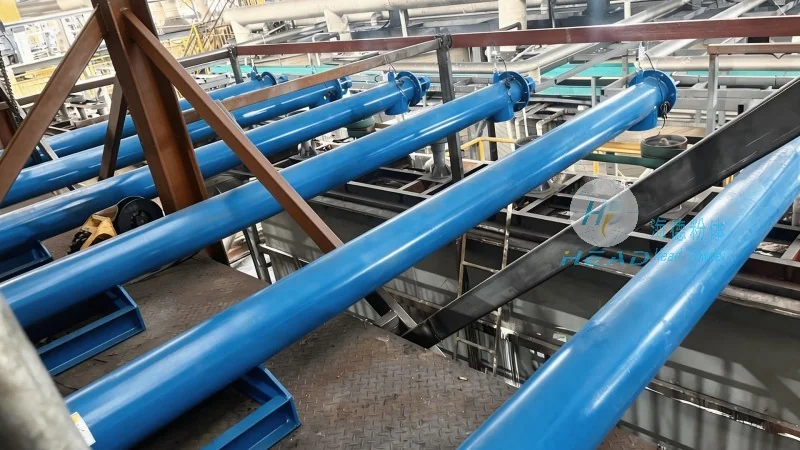
Screw conveyors provide a reliable and efficient way to transport borax, especially in applications where space is a constraint. The system is self-contained and can be integrated with other equipment without the need for additional infrastructure. The rotating screw ensures consistent material movement, reducing the risk of blockages. However, the design must consider the abrasiveness of borax to prevent wear and tear on the screw and trough. Regular inspection and replacement of wear parts are necessary to maintain the system's performance and longevity.
Bucket Elevators for Vertical Borax Transport
Bucket elevators are used for vertical transport of borax, moving the material from lower to higher levels. These systems consist of a vertical or inclined conveyor with buckets attached to a chain or belt that lifts the material. Bucket elevators are ideal for applications requiring vertical movement, such as transferring borax from storage silos to processing units. The main advantages include high vertical lifting capacity, the ability to handle large quantities of material, and the compact design. However, they may be more complex and expensive to install compared to other methods, and careful attention must be paid to the design to prevent material spillage and ensure smooth operation.
Advantages and Considerations of Bucket Elevators
Bucket elevators offer a high-capacity solution for vertical borax transport, making them suitable for large-scale industrial operations. The system can handle a wide range of particle sizes and is less affected by material moisture compared to other methods. The enclosed design reduces dust exposure and improves safety. However, the maintenance requirements are higher due to the moving parts and the risk of bucket wear. Regular inspection of the buckets and chain is essential to prevent failures and ensure consistent performance.
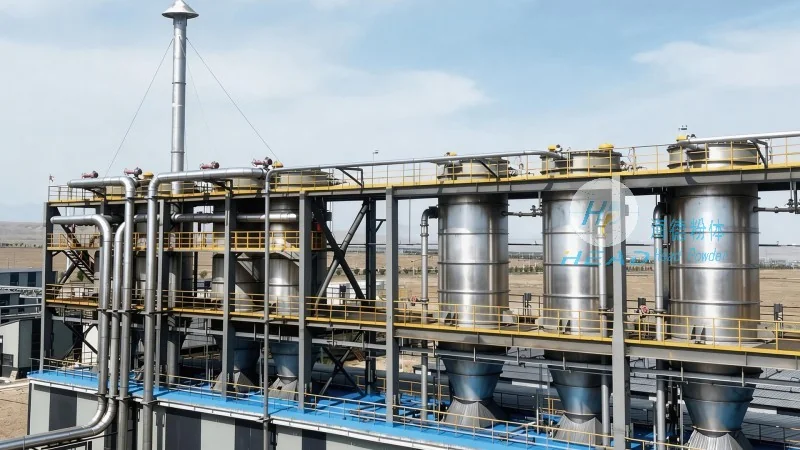
Practical Application and Selection Guide for Borax Conveying
Selecting the appropriate borax conveying method requires careful consideration of several factors. The first step is to assess the volume and characteristics of the borax being transported, including particle size, moisture content, and flowability. The distance between the source and destination is another critical factor, as it determines the feasibility of different methods. For example, pneumatic conveying is suitable for long distances, while belt conveyors may be more practical for shorter distances. The available space and budget are also important considerations, as different systems have varying installation and operational costs.
Key Factors in Choosing a Conveying System
When selecting a borax conveying system, it is essential to evaluate the following factors: 1. **Capacity Requirements**: The system must be able to handle the expected volume of borax without bottlenecks. 2. **Material Characteristics**: The hygroscopic nature of borax requires systems that prevent moisture absorption and caking. 3. **Environmental Considerations**: Dust control and compliance with environmental regulations are critical, especially for outdoor or open systems. 4. **Maintenance and Operational Costs**: The long-term cost of ownership, including energy consumption and maintenance, should be considered. 5. **Integration with Existing Infrastructure**: The ability to integrate the conveying system with existing storage and processing equipment is important for seamless operation.
Conclusion
Choosing the right borax conveying method is essential for optimizing industrial processes and ensuring safety. Pneumatic conveying offers flexibility and dust control, while belt conveyors provide high capacity and cost-effectiveness. Screw conveyors are ideal for compact spaces and controlled transport, and bucket elevators are suitable for vertical movement. By considering the specific requirements of the application, such as volume, distance, and material characteristics, industries can select the most appropriate conveying system. Shandong HeadPowder Engineering Co., Ltd. specializes in providing customized chemical processing solutions, including borax conveying systems, tailored to meet the unique needs of various industries. Our expertise ensures that the chosen system is efficient, reliable, and compliant with industry standards.

 Shandong Headpowder Engineering Co., Ltd.
 156-6277-7102(Quản lý Trương)
  0531-83386006
  Thành phố Tế Nam, Tỉnh Sơn Đông, Trung Quốc
Điện thoại
WeChatTư vấn
Lên đầu