

How to Design a Reasonable Straw Ash Pneumatic Conveying System Plan?
Straw ash, a byproduct of agricultural and biomass combustion processes, presents unique challenges in handling and transportation. The design of an efficient and reliable pneumatic conveying system for straw ash is crucial for optimizing material flow, reducing operational costs, and ensuring environmental compliance. This article outlines key considerations and steps for designing a reasonable straw ash pneumatic conveying system, with a focus on practical implementation and performance optimization.
Key Factors Influencing System Design
The design of a straw ash pneumatic conveying system must account for several critical factors to ensure its effectiveness and longevity. First, the physical properties of straw ash, such as particle size distribution, moisture content, and bulk density, directly impact the system's performance. These characteristics influence the selection of air velocity, pipeline diameter, and the type of conveying equipment. Additionally, the distance and layout of the conveying route, including vertical and horizontal segments, must be carefully evaluated to determine the required air pressure and power consumption. Environmental regulations regarding dust emission and noise control also play a significant role in system design, as they dictate the need for filtration and silencing measures.
System Components and Their Functions
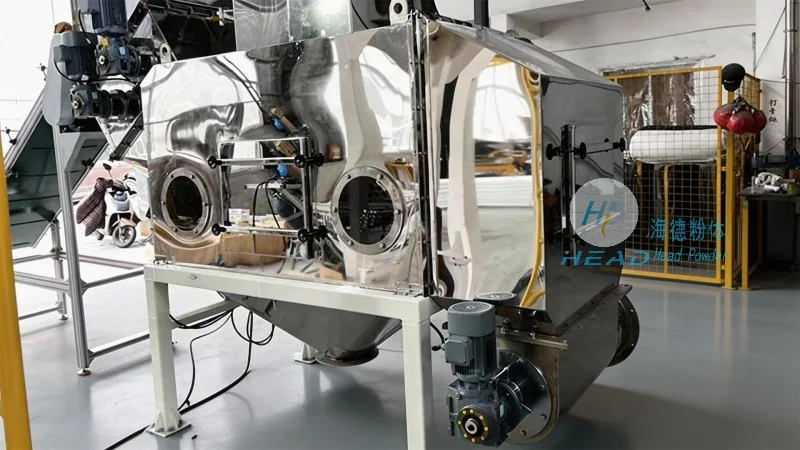
A typical straw ash pneumatic conveying system consists of several interconnected components, each serving a specific function. The primary components include a material feeder, a blower or air compressor, a conveying pipeline, a control system, and a dust collection or filtration unit. The material feeder is responsible for feeding the straw ash into the system at a consistent rate, preventing blockages and ensuring smooth material flow. The blower or air compressor generates the necessary air pressure to move the material through the pipeline. The conveying pipeline, made from materials resistant to abrasion and corrosion (such as stainless steel or high-density polyethylene), transports the ash from the source to the destination. The control system monitors and regulates the air pressure, flow rate, and material feed rate, ensuring optimal operation. Finally, the dust collection or filtration unit captures any airborne particles, reducing dust emissions and maintaining air quality.
Design Considerations for Air Velocity and Pipeline Sizing
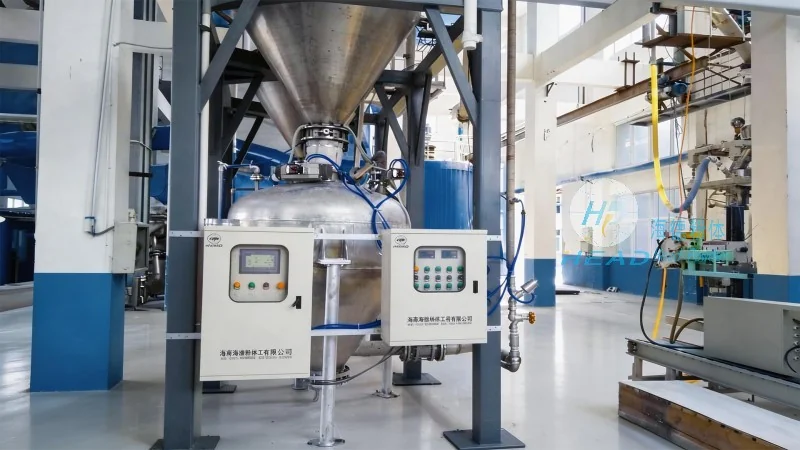
One of the most critical design parameters in pneumatic conveying is the air velocity within the pipeline. The air velocity must be high enough to overcome the gravitational and frictional forces acting on the material particles but low enough to prevent excessive wear on the pipeline and equipment. For straw ash, which typically has a relatively high bulk density and abrasive properties, a higher air velocity may be required compared to other materials. The pipeline diameter is also a key factor, as it affects the pressure drop and power consumption. A larger diameter reduces pressure drop but increases the system's footprint and cost, while a smaller diameter increases pressure drop and may lead to material deposition. Engineers must balance these factors through detailed calculations and simulations to determine the optimal air velocity and pipeline size for the specific application.
Selection of Conveying Method: Dilute Phase vs. Dense Phase
Straw ash pneumatic conveying systems can be categorized into two main types: dilute phase and dense phase. Dilute phase systems operate at higher air velocities, with the material suspended in the air stream as a fine mist. This method is suitable for short to medium conveying distances and is generally more energy-efficient. Dense phase systems, on the other hand, operate at lower air velocities, with the material moving in a slurry-like state, often with the aid of a positive displacement blower. Dense phase systems are better suited for longer distances and for conveying materials that are prone to segregation or degradation. The choice between these methods depends on the specific requirements of the application, including the distance, material properties, and desired flow rate.
Integration of Environmental Controls
Given the environmental concerns associated with straw ash, integrating effective dust control measures is essential in system design. The dust collection unit, typically a cyclone separator or a baghouse filter, captures the airborne particles and returns them to the conveying system or disposes of them as required. Additionally, silencing devices, such as acoustic enclosures or mufflers, are often incorporated to reduce noise levels, especially in industrial settings. These measures not only comply with environmental regulations but also enhance the overall safety and acceptability of the system.
Case Study: A Practical Application by Shandong HeadPowder Engineering Co., Ltd.
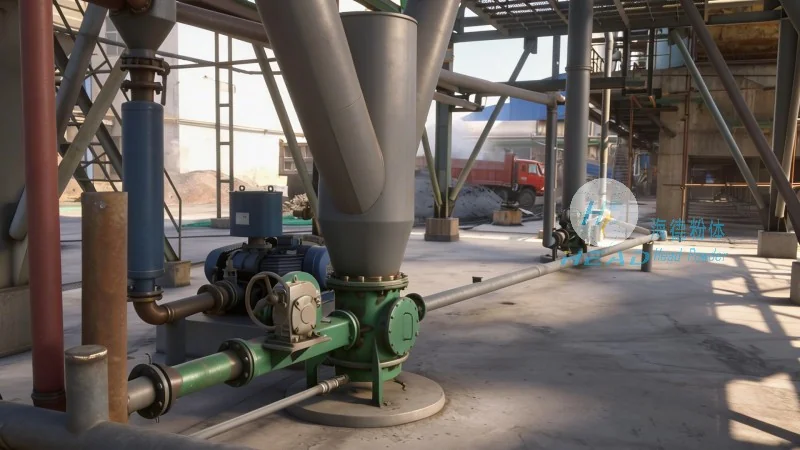
Shandong HeadPowder Engineering Co., Ltd., a leading provider of engineering solutions for material handling, has successfully designed and implemented straw ash pneumatic conveying systems for various clients. For instance, a client in Shandong, China, required a system to transport straw ash from a biomass boiler to a storage silo over a distance of 100 meters with a vertical rise of 20 meters. The system was designed using a dilute phase approach with a stainless steel pipeline and a high-efficiency cyclone separator. The air velocity was optimized to 20 m/s, and the pipeline diameter was determined to be 150 mm. The system operates at a pressure of 0.8 bar and consumes approximately 15 kW of power. The client reported significant improvements in material flow efficiency and reduced labor costs compared to traditional methods. This case study highlights the importance of proper system design and the expertise of engineering companies like Shandong HeadPowder in delivering effective solutions.
Conclusion and Recommendations
Designing a reasonable straw ash pneumatic conveying system requires a comprehensive understanding of material properties, system components, and operational requirements. By carefully considering factors such as air velocity, pipeline sizing, and environmental controls, engineers can develop systems that are efficient, reliable, and cost-effective. It is recommended that stakeholders consult with experienced engineering firms, such as Shandong HeadPowder Engineering Co., Ltd., to ensure that the system design meets all technical and regulatory standards. With proper planning and execution, straw ash pneumatic conveying systems can effectively address the challenges of material handling and contribute to sustainable agricultural and industrial practices.