Công ty TNHH Kỹ thuật Headpowder Sơn Đông chuyên vận chuyển khí nén bột và hạt. Nhờ thế mạnh hợp tác doanh nghiệp‑trường‑viện, chúng tôi cung cấp giải pháp vận chuyển kín, không bụi, độ chính xác cao.
When handling calcium hydroxide powder, selecting an appropriate conveying method is crucial for ensuring efficiency, safety, and product integrity. Calcium hydroxide, also known as slaked lime, is widely used in industries such as construction, water treatment, and chemical manufacturing. Its fine particle size and hygroscopic nature make traditional conveying methods challenging. This article provides a detailed comparison of common calcium hydroxide powder conveying methods, focusing on the solutions offered by Shandong HeadPowder Engineering Co., Ltd., a leading manufacturer based in China.
About Shandong HeadPowder Engineering Co., Ltd.
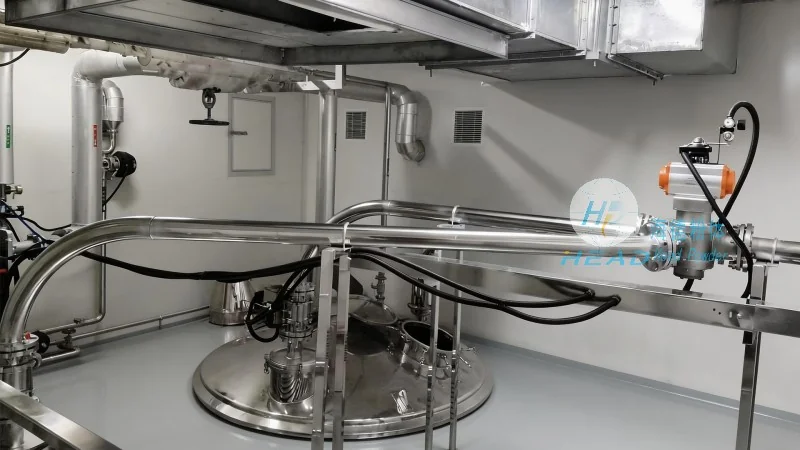
HeadPowder is a professional enterprise specializing in the research, development, and production of powder conveying equipment. With a strong engineering team and advanced manufacturing facilities, the company has established itself as a trusted supplier in the industry. HeadPowder's products are designed to meet the specific requirements of calcium hydroxide powder handling, ensuring reliable and efficient operation. The company's headquarters is located in Shandong, China, where it serves clients globally with tailored solutions.
1. Air-Driven Pneumatic Conveying Systems
Air-driven pneumatic conveying is a popular method for transporting calcium hydroxide powder due to its ability to handle fine powders without the need for mechanical components that might cause particle degradation. This system uses compressed air to create a flow that moves the powder through a pipeline. HeadPowder offers advanced pneumatic conveying solutions that incorporate features such as positive displacement blowers, flexible hoses, and dust collection systems. The advantages of this method include high conveying capacity, minimal product contamination, and the ability to transport materials over long distances. However, it requires a stable air supply and may be less efficient for very fine or cohesive powders. The company's pneumatic systems are engineered to handle the hygroscopic nature of calcium hydroxide, preventing clumping and ensuring consistent flow.
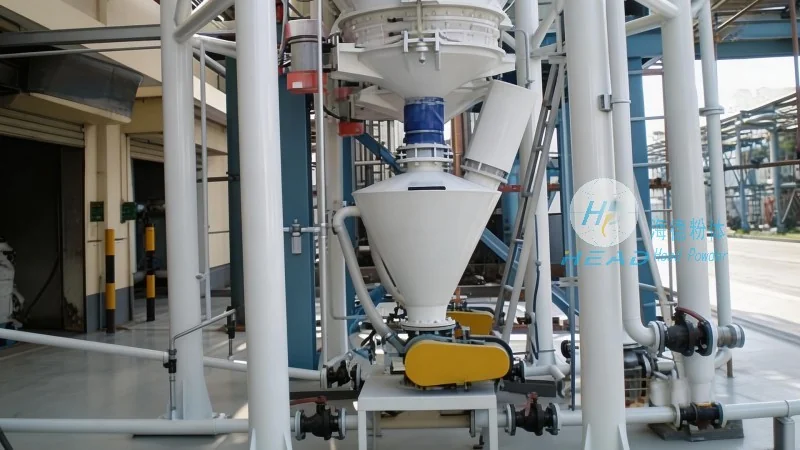
2. Screw Conveyors for Calcium Hydroxide Powder
Screw conveyors are another common option for calcium hydroxide powder handling, particularly in applications where horizontal or slight incline transport is needed. These systems use a rotating screw (auger) to move the powder along a trough. HeadPowder manufactures high-quality screw conveyors designed with corrosion-resistant materials, such as stainless steel, to withstand the chemical properties of calcium hydroxide. The screw design can be customized to handle different particle sizes and flow rates. Screw conveyors offer advantages like low maintenance, simple operation, and the ability to mix or blend materials during transport. However, they may be less suitable for very fine powders that can cause wear on the screw and trough. HeadPowder's screw conveyors are equipped with wear-resistant coatings and adjustable speed controls to optimize performance.
3. Belt Conveyors for Bulk Calcium Hydroxide Powder
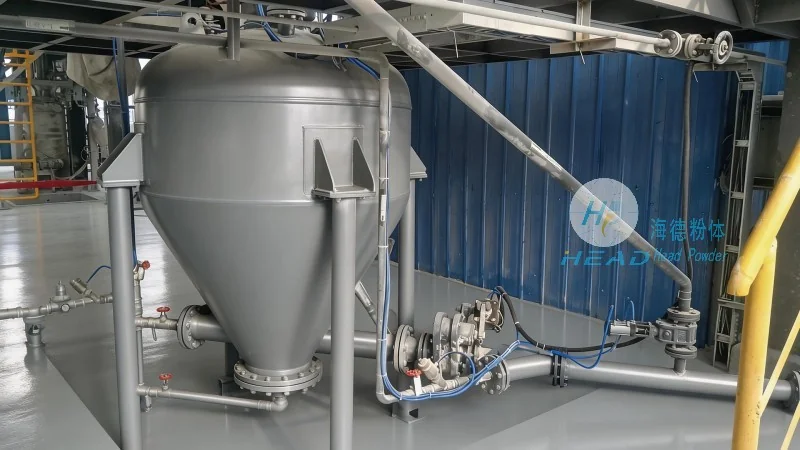
Belt conveyors are ideal for transporting larger quantities of calcium hydroxide powder over medium to long distances. These systems use a continuous belt to move the material from one point to another. HeadPowder provides robust belt conveyor solutions with heavy-duty frames and durable belts, capable of handling high loads and abrasive materials. The design includes features like idlers, pulleys, and tensioning mechanisms to ensure smooth operation. Belt conveyors offer benefits such as high capacity, low energy consumption, and the ability to integrate with other processing equipment. However, they require more space and may not be suitable for fine powders that can cause dust issues. HeadPowder's belt conveyors are designed with dust suppression systems and adjustable speed controls to maintain product quality and safety.
4. Hydraulic Conveying Systems
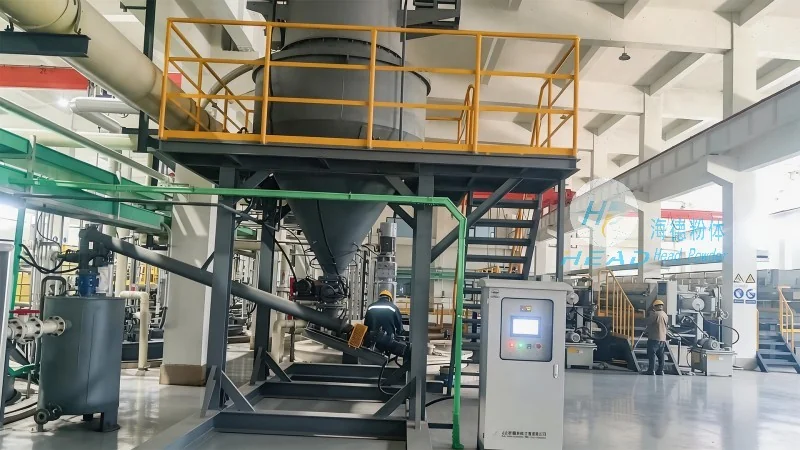
Hydraulic conveying systems use a liquid medium to transport calcium hydroxide powder, which is particularly effective for handling very fine or cohesive powders. This method involves mixing the powder with a liquid (such as water or a carrier fluid) to form a slurry, which is then pumped through a pipeline. HeadPowder offers hydraulic conveying solutions that include mixing tanks, pumps, and filtration systems. The advantages of this method include high efficiency for fine powders, reduced dust generation, and the ability to transport materials over long distances with minimal pressure loss. However, it requires additional equipment for slurry preparation and separation, increasing operational complexity. HeadPowder's hydraulic systems are engineered to handle the specific properties of calcium hydroxide, ensuring consistent slurry quality and reliable transport.
Conclusion: Choosing the Right Conveying Method for Calcium Hydroxide Powder
The choice of calcium hydroxide powder conveying method depends on several factors, including the powder's properties, required capacity, distance, and operational environment. HeadPowder Engineering Co., Ltd. provides comprehensive solutions tailored to these needs, combining expertise in material handling with advanced technology. Whether using air-driven systems, screw conveyors, belt conveyors, or hydraulic systems, the company's products are designed to ensure efficient, safe, and reliable transport of calcium hydroxide powder. By understanding the advantages and limitations of each method, industries can select the most suitable conveying solution for their specific applications, ultimately improving productivity and reducing operational costs.

 Shandong Headpowder Engineering Co., Ltd.
 156-6277-7102(Quản lý Trương)
  0531-83386006
  Thành phố Tế Nam, Tỉnh Sơn Đông, Trung Quốc
Điện thoại
WeChatTư vấn
Lên đầu