

Comparison of Common Activated Carbon Powder Conveying Methods
When handling activated carbon powder, selecting an appropriate conveying method is crucial for ensuring efficiency, safety, and product integrity. The nature of activated carbon powder—fine particles, potential dust hazards, and varying flow characteristics—requires specialized equipment to prevent clogging, dust dispersion, and material degradation. This article provides a detailed comparison of common activated carbon powder conveying methods, focusing on their applications, advantages, and limitations.
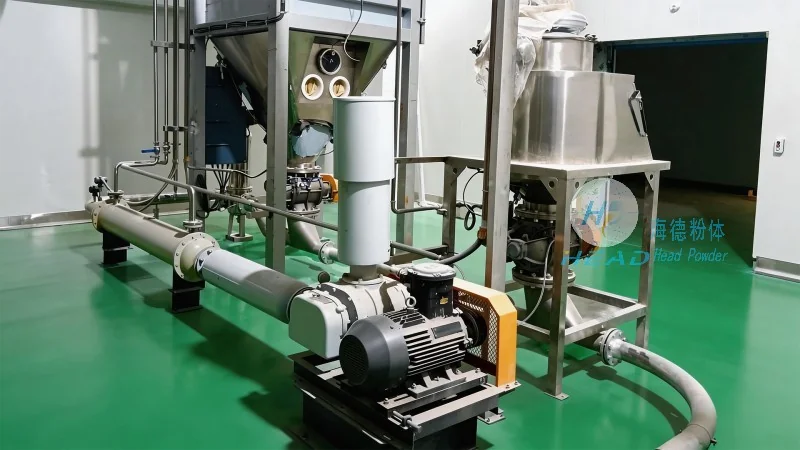
About Shandong HeadPowder Engineering Co., Ltd.
Shandong HeadPowder Engineering Co., Ltd. is a leading manufacturer specializing in powder handling solutions. With a strong presence in China, particularly in Shandong, the company has extensive experience in designing and supplying equipment for various industrial applications, including activated carbon powder processing. Their expertise lies in developing customized conveying systems that meet the unique demands of different industries, ensuring reliable and efficient material transport.
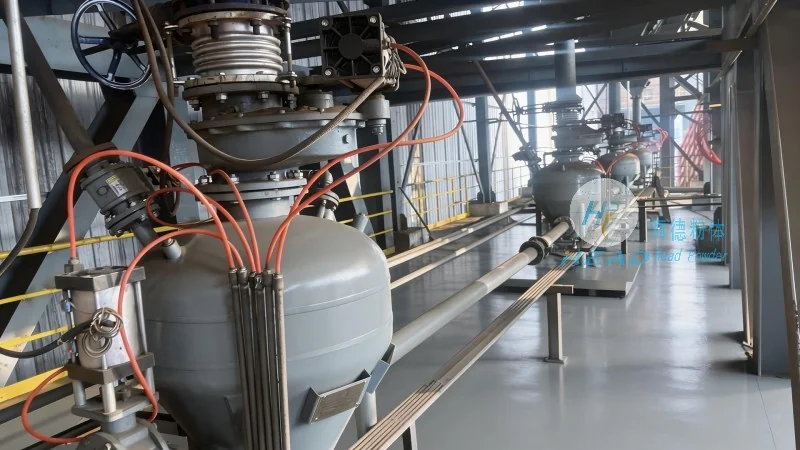
Pneumatic Conveying Systems for Activated Carbon Powder
Pneumatic conveying is a widely used method for transporting activated carbon powder due to its ability to handle fine powders and provide enclosed, dust-free transport. This method uses air pressure to move powder through a pipeline system. There are two main types: pressure and vacuum systems. Pressure systems use compressed air to push the powder, while vacuum systems use a vacuum to draw the powder. The choice between them depends on the distance, volume, and material characteristics. For activated carbon powder, pressure systems are often preferred for longer distances and higher volumes, as they can maintain consistent flow rates and prevent material degradation. Vacuum systems are suitable for shorter distances or when handling sensitive materials that require gentle transport. Pneumatic conveying offers advantages such as high efficiency, minimal product contamination, and the ability to integrate with other processing equipment. However, it may require higher energy consumption and careful maintenance to prevent clogging or air leaks. The system typically includes a hopper, feeder, pipeline, and receiver, all designed to handle the fine nature of activated carbon powder without causing blockages.
Screw Conveyors for Activated Carbon Powder Handling
Screw conveyors are another common method for transporting activated carbon powder, especially in horizontal or slightly inclined applications. These systems use a rotating screw (helix) to move powder along a trough. The screw's speed and pitch can be adjusted to control the flow rate and prevent clogging. Screw conveyors are relatively simple in design, making them cost-effective and easy to install. They are suitable for moderate volumes and distances, typically up to 30 meters horizontally or 15 meters vertically. The main advantages of screw conveyors include low maintenance, minimal space requirements, and the ability to handle a wide range of powder types. However, they may not be suitable for very fine or cohesive powders, as these can cause the screw to bind or the trough to clog. Additionally, screw conveyors can generate dust if not properly sealed, which may require additional dust control measures. For activated carbon powder, screw conveyors are often used in batch processing or when the powder is less prone to clogging. They are particularly effective when the material is dry and free-flowing, as this reduces the risk of blockages.
Pump-Based Conveying Systems for Activated Carbon Powder
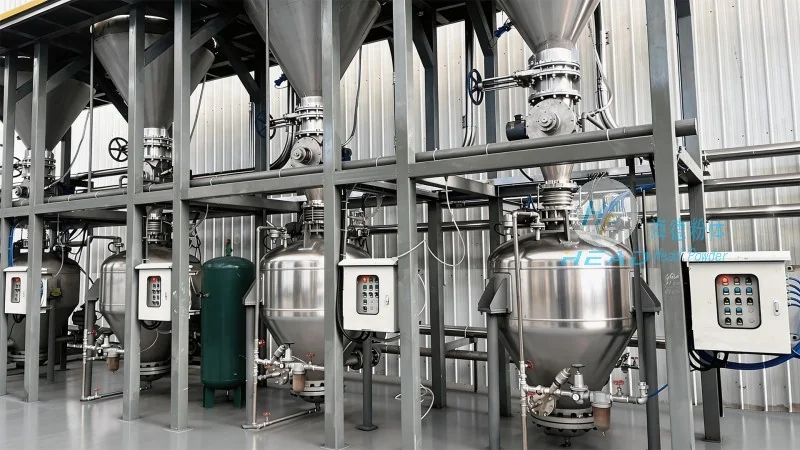
Pump-based systems, such as slurry pumps or positive displacement pumps, are used for transporting activated carbon powder in slurry form. This method involves mixing the powder with a liquid (e.g., water or a carrier fluid) to create a slurry, which is then pumped through a pipeline. The slurry pump is designed to handle the abrasive and abrasive nature of activated carbon powder, preventing wear and ensuring long service life. Pump-based conveying is suitable for high-volume applications and long distances, as it can maintain consistent flow rates and handle large quantities of material. The main advantages include high efficiency, low energy consumption compared to pneumatic systems, and the ability to transport material over long distances without significant pressure loss. However, it requires careful control of the slurry consistency to prevent clogging or pump damage. The system typically includes a slurry tank, pump, pipeline, and filtration equipment to remove solids and maintain the slurry's quality. For activated carbon powder, pump-based systems are often used in industrial processes where the powder is mixed with a liquid, such as in water treatment or chemical processing. They are particularly effective when the powder needs to be transported in a liquid medium, as this reduces the risk of dust dispersion and improves material handling.
Choosing the Right Conveying Method for Activated Carbon Powder
The selection of an activated carbon powder conveying method depends on several factors, including the material's characteristics, processing requirements, and operational constraints. For example, pneumatic conveying is ideal for applications requiring enclosed transport and minimal dust, while screw conveyors are suitable for horizontal transport and moderate volumes. Pump-based systems are preferred for high-volume slurry applications. It is essential to consider the powder's fineness, flowability, and potential for clogging when choosing a system. Additionally, the distance and layout of the processing plant, as well as the available space and budget, play a significant role in the decision-making process. Shandong HeadPowder Engineering Co., Ltd. offers customized conveying solutions tailored to these factors, ensuring that the chosen method meets the specific needs of the application. Their expertise in powder handling allows them to provide recommendations based on real-world experience and technical analysis, helping clients select the most efficient and cost-effective system for their activated carbon powder processing needs.