Công ty TNHH Kỹ thuật Headpowder Sơn Đông chuyên vận chuyển khí nén bột và hạt. Nhờ thế mạnh hợp tác doanh nghiệp‑trường‑viện, chúng tôi cung cấp giải pháp vận chuyển kín, không bụi, độ chính xác cao.
Shandong HeadPowder Engineering Co., Ltd., commonly known as HeadPowder, specializes in providing efficient and reliable conveying solutions for soy protein powder. As a leading manufacturer in the industry, HeadPowder offers tailored systems that meet the specific needs of various processing facilities. This article provides a detailed comparison of common conveying methods used for soy protein powder, highlighting their advantages, applications, and suitability for different production environments.
Key Features of HeadPowder's Conveying Systems
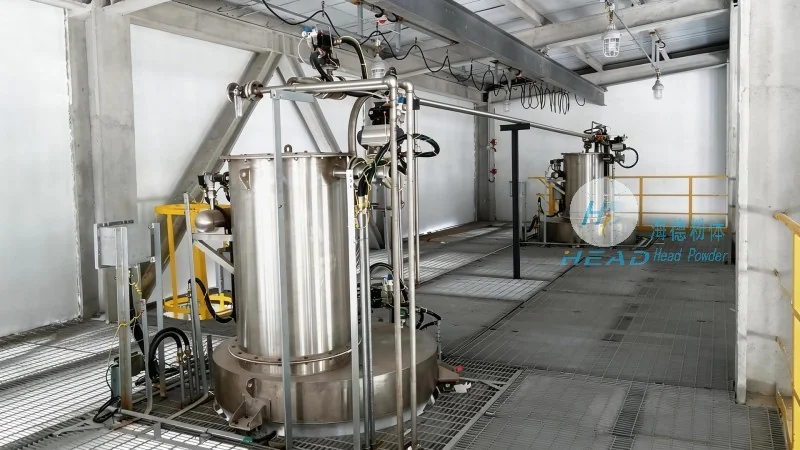
Before delving into the specific conveying methods, it is essential to understand the core features that HeadPowder's systems offer. These systems are designed with durability, efficiency, and minimal product degradation in mind. Key features include robust construction to withstand the abrasive nature of soy protein powder, advanced control systems for precise flow regulation, and easy maintenance to ensure consistent performance. Additionally, HeadPowder's solutions are engineered to comply with industry standards for food safety and hygiene, making them suitable for applications in food processing and animal feed production.
Comparison of Common Conveying Methods
There are several common methods used to transport soy protein powder, each with its own set of advantages and limitations. The choice of method depends on factors such as the volume of material, the distance to be covered, the required speed of transfer, and the specific characteristics of the powder. Below is a comparison of the most widely used conveying techniques:
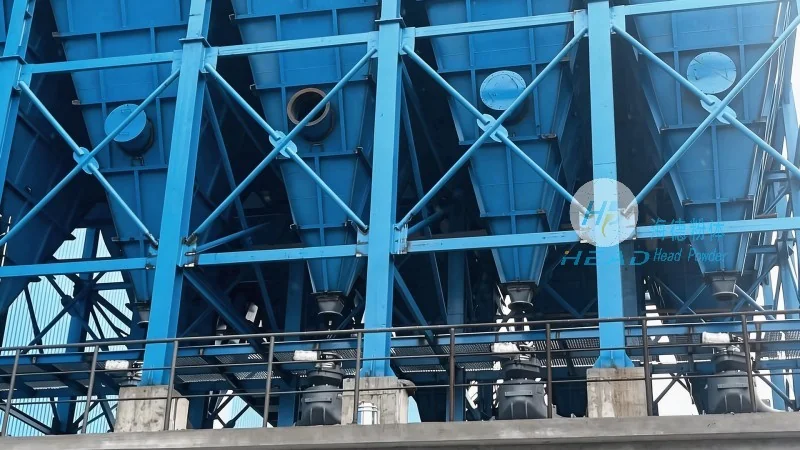
1. Screw Conveyors
Screw conveyors, also known as auger conveyors, are one of the most popular methods for transporting soy protein powder. These systems consist of a rotating screw (auger) inside a U-shaped or cylindrical housing. The screw rotates, pushing the powder forward through the housing. HeadPowder's screw conveyors are designed with high-quality materials, such as stainless steel, to prevent contamination and ensure longevity. They are particularly effective for horizontal or slightly inclined transport, with the ability to handle both dry and slightly moist soy protein powder. Screw conveyors offer a continuous and gentle flow, minimizing product degradation and caking. However, they may not be suitable for very fine powders or materials with high moisture content, as this can lead to increased friction and wear. The capacity of HeadPowder's screw conveyors can range from low to high volumes, making them versatile for various production scales.
2. Pneumatic Conveying Systems
Pneumatic conveying systems use air or other gases to transport soy protein powder through a network of pipes. There are two main types: pressure and vacuum systems. In pressure systems, air is forced into a hopper containing the powder, pushing it through the pipes. Vacuum systems, on the other hand, use a vacuum to draw the powder from the source into the conveying line. HeadPowder's pneumatic conveying systems are equipped with high-efficiency blowers and filters to ensure clean and efficient transport. Pneumatic systems are ideal for long-distance transport and can handle both fine and coarse powders. They are particularly useful for applications where dust control is critical, as the material is contained within the pipes. However, they require more energy compared to mechanical systems and may be less efficient for very low volumes. Additionally, proper maintenance of the air filtration system is essential to prevent contamination and ensure consistent performance.
3. Belt Conveyors
Belt conveyors use a continuous belt to transport soy protein powder over a series of rollers or idlers. The belt is driven by a motor, and the powder is placed on the belt and carried to the destination. HeadPowder's belt conveyors are designed with durable belts and sturdy frames to handle the weight and abrasiveness of soy protein powder. They are suitable for both horizontal and inclined transport and can handle large volumes of material. Belt conveyors offer a smooth and consistent flow, making them ideal for applications where product integrity is paramount. However, they may require more space compared to other systems and can be less efficient for very fine powders, as the material may fall through the belt. HeadPowder's belt conveyors are available in various widths and lengths, allowing customization to fit specific production requirements.
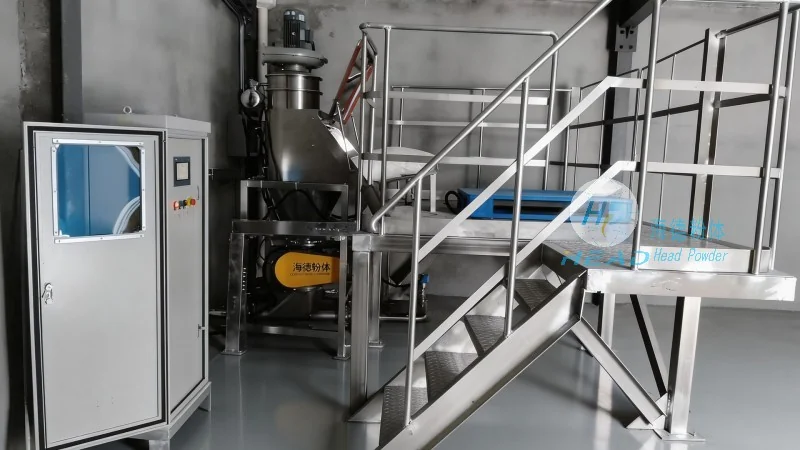
4. Bucket Elevators
Bucket elevators are vertical or inclined conveyors that use a series of buckets attached to a chain or belt to lift and transport soy protein powder. The buckets are filled with powder as they move up the conveyor and discharge the material at the top. HeadPowder's bucket elevators are designed with heavy-duty buckets and robust frames to handle the vertical transport of soy protein powder. They are particularly effective for vertical or steeply inclined transport, with the ability to handle large volumes of material over significant heights. Bucket elevators offer a high capacity and are suitable for applications where vertical space is limited. However, they may be more complex to install and maintain compared to other systems, and the speed of transport can be slower for very fine powders. HeadPowder's bucket elevators are engineered for durability and reliability, ensuring consistent performance in demanding environments.
Choosing the Right Conveying Method for Soy Protein Powder
When selecting a conveying method for soy protein powder, it is crucial to consider several factors to ensure optimal performance and efficiency. The first factor is the volume of material to be transported. For low to medium volumes, screw or belt conveyors may be sufficient, while pneumatic or bucket elevators are better suited for high-volume applications. The second factor is the distance to be covered. For short distances, mechanical systems like screw or belt conveyors are often more cost-effective. For longer distances, pneumatic or bucket elevators may be more efficient. The third factor is the required speed of transfer. If rapid transport is needed, pneumatic systems may be preferred, while mechanical systems offer more control over the flow rate. The fourth factor is the characteristics of the powder, such as particle size, moisture content, and abrasiveness. Fine powders or those with high moisture content may require specialized equipment to prevent caking or degradation. Finally, the space available and the overall budget are important considerations when choosing a conveying system.

 Shandong Headpowder Engineering Co., Ltd.
 156-6277-7102(Quản lý Trương)
  0531-83386006
  Thành phố Tế Nam, Tỉnh Sơn Đông, Trung Quốc
Điện thoại
WeChatTư vấn
Lên đầu