

Comparison of Common Alumina Crystal Conveying Methods
Alumina crystals are widely used in various industrial applications, and the efficient conveyance of these crystals is crucial for maintaining production efficiency and product quality. The choice of conveying method can significantly impact operational costs, material handling safety, and overall system reliability. This article provides a detailed comparison of common alumina crystal conveying methods, focusing on their operational principles, advantages, and practical applications.
Overview of Alumina Crystal Conveying
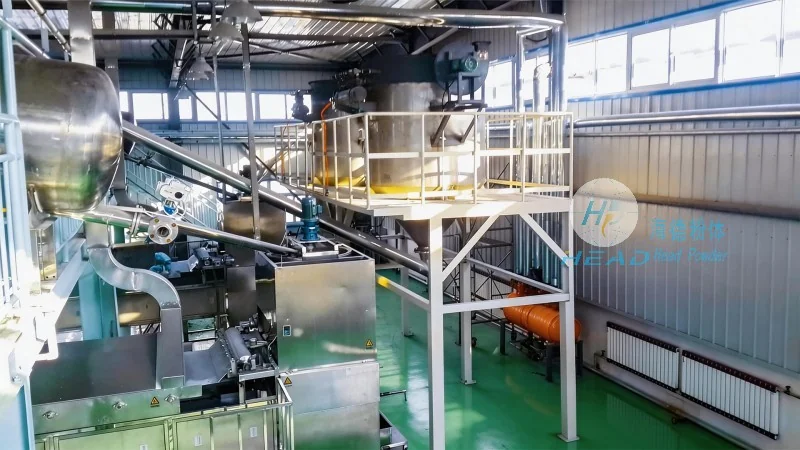
Before delving into specific conveying methods, it's essential to understand the fundamental requirements for handling alumina crystals. These materials are often fine, abrasive, and can be sensitive to moisture or contamination. Therefore, conveying systems must be designed to minimize material degradation, prevent dust generation, and ensure smooth, continuous operation. The primary goal is to move the crystals from storage or processing units to the next stage of production without compromising their integrity.
1. Screw Conveyors for Alumina Crystals
One of the most common and reliable methods for conveying alumina crystals is the screw conveyor. This equipment consists of a rotating helical screw blade mounted inside a U-shaped or tubular housing. As the screw rotates, it pushes the material forward, creating a continuous flow. Screw conveyors are particularly suitable for alumina crystals due to their ability to handle fine powders and granules without causing excessive wear or segregation. The enclosed design of the conveyor also helps contain dust and prevent contamination, which is critical for maintaining the purity of the crystals. Additionally, screw conveyors can operate at various speeds and angles, making them adaptable to different production layouts. The key advantages of screw conveyors include low maintenance requirements, high efficiency, and the ability to handle abrasive materials like alumina without significant wear on components. However, they may not be ideal for very large or irregularly shaped crystals, as the screw design can cause blockages or uneven movement.
2. Pneumatic Conveying Systems
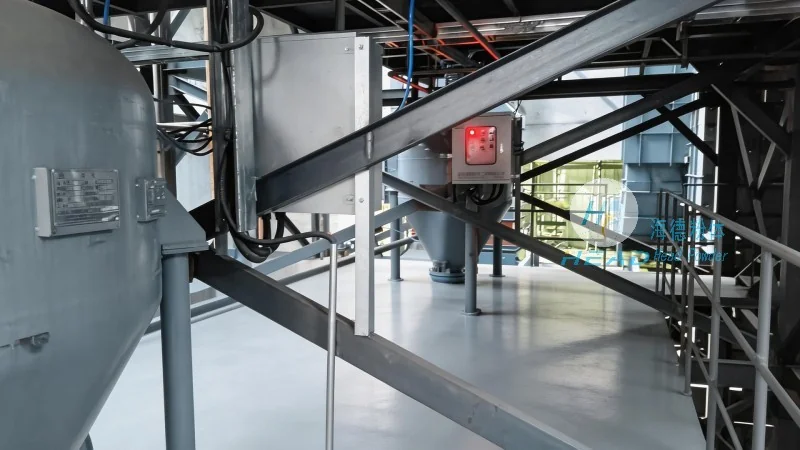
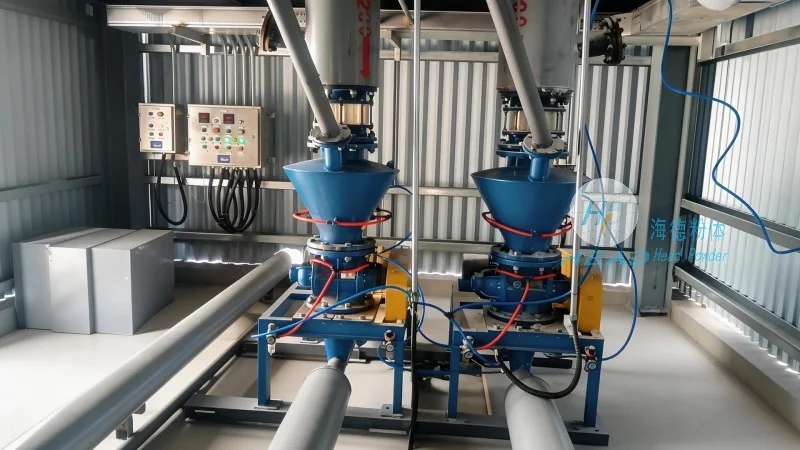
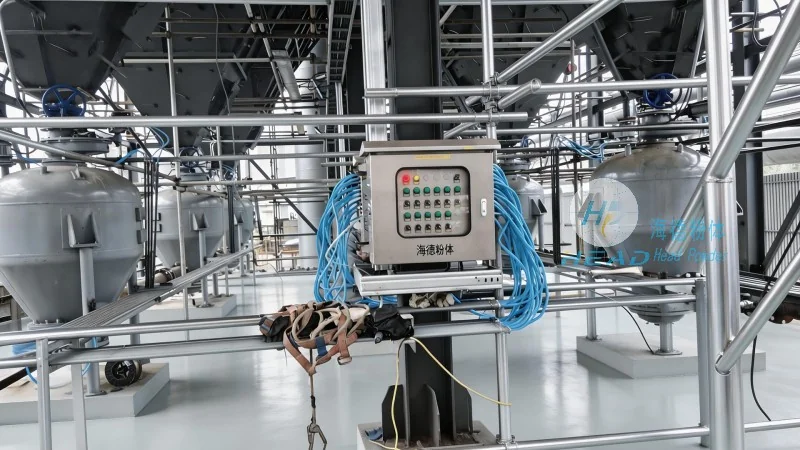
Another popular method for alumina crystal transport is pneumatic conveying, which uses air or other gases to move the material through a pipeline. This system typically consists of a hopper, a blower or compressor, and a series of pipes with control valves. The crystals are fed into the hopper and then drawn into the pipeline by the moving air. Pneumatic conveying offers several benefits, including the ability to transport materials over long distances and through vertical or horizontal routes. It is also suitable for handling materials that are sensitive to mechanical contact, as the crystals are suspended in the air rather than being pushed or dragged. The enclosed pipeline design helps minimize dust emissions and maintain material purity. However, pneumatic systems require higher energy input compared to mechanical conveyors, and they may not be as efficient for very fine or cohesive powders. The pressure and flow rates must be carefully controlled to prevent material degradation or blockages in the pipes. Additionally, the initial investment for pneumatic systems can be higher due to the need for robust piping and air handling equipment.
3. Belt Conveyors with Specialized Belts
Belt conveyors are widely used in bulk material handling and can be adapted for alumina crystal transport with specialized belts. These conveyors consist of a continuous belt that moves over rollers or pulleys, transporting the material from one point to another. For alumina crystals, the belt material is often chosen to be non-stick and resistant to abrasion, such as food-grade or industrial-grade rubber. The belt can be designed with cleats or side walls to prevent the crystals from sliding off, especially when the conveyor is inclined. Belt conveyors are particularly effective for transporting larger or more irregularly shaped crystals, as the belt provides a smooth, continuous surface that reduces material degradation. They can also handle high volumes of material and are relatively easy to install and maintain. The main advantages of belt conveyors include high capacity, low energy consumption, and the ability to transport materials over long distances. However, they may not be suitable for very fine powders, as the belt can cause segregation or dust generation. Additionally, the maintenance of the belt and rollers is essential to prevent wear and ensure consistent performance.
4. Bucket Elevators for Vertical Transport
For applications requiring vertical transport of alumina crystals, bucket elevators are a common choice. This equipment consists of a vertical or inclined frame with a continuous chain or belt that carries buckets attached to it. The buckets are filled with the crystals at the bottom and then lifted vertically, discharging the material at the top. Bucket elevators are highly efficient for vertical transport and can handle a wide range of material sizes and densities. They are particularly useful when space is limited or when the production line requires vertical movement of the crystals. The enclosed design of the elevator helps contain dust and prevent contamination, ensuring the purity of the alumina crystals. The buckets are designed to be durable and resistant to abrasion, which is crucial for handling abrasive materials like alumina. The main advantages of bucket elevators include high capacity, low maintenance, and the ability to transport materials vertically over significant heights. However, they may not be suitable for very fine powders, as the buckets can cause segregation or dust generation. Additionally, the initial cost of bucket elevators can be higher compared to other conveying methods, and the system requires careful alignment and tensioning to ensure smooth operation.
5. Comparison and Selection Criteria
When selecting a conveying method for alumina crystals, several factors must be considered to ensure the optimal choice. The first consideration is the material characteristics, including particle size, shape, and abrasiveness. Fine, abrasive crystals may require enclosed systems like screw or pneumatic conveyors to minimize wear and contamination. Larger or irregularly shaped crystals may be better suited for belt or bucket elevators. The second factor is the distance and layout of the production line. Horizontal or short-distance transport may be handled by screw or belt conveyors, while long-distance or vertical transport may require pneumatic or bucket elevators. The third factor is the operational requirements, such as speed, capacity, and energy efficiency. The fourth factor is the cost, including initial investment and maintenance expenses. The fifth factor is safety considerations, including dust control and material containment. By evaluating these factors, manufacturers can choose the most appropriate conveying method for their specific needs, ensuring efficient and reliable transport of alumina crystals.