Công ty TNHH Kỹ thuật Headpowder Sơn Đông chuyên vận chuyển khí nén bột và hạt. Nhờ thế mạnh hợp tác doanh nghiệp‑trường‑viện, chúng tôi cung cấp giải pháp vận chuyển kín, không bụi, độ chính xác cao.
When it comes to transporting zircon sand, selecting the right method is crucial for efficiency, cost-effectiveness, and operational safety. Zircon sand, a key raw material in various industries including ceramics, glass, and refractory production, requires reliable and efficient conveying solutions to maintain its quality and prevent degradation. This article provides a detailed comparison of common zircon sand conveying methods, highlighting their advantages and disadvantages to help businesses make informed decisions.
Overview of Zircon Sand and Conveying Needs
Zircon sand is a naturally occurring mineral composed primarily of zircon (ZrSiO4), with varying impurities and particle sizes depending on the source. Its high refractoriness and chemical stability make it valuable in high-temperature applications, but its handling requires careful consideration due to its abrasive nature and potential for dust generation. Conveying systems must be designed to minimize particle breakage, prevent contamination, and ensure consistent flow. The choice of conveying method depends on factors such as the volume of material, distance to be transported, budget constraints, and the specific characteristics of the zircon sand being handled.
1. Pneumatic Conveying Systems
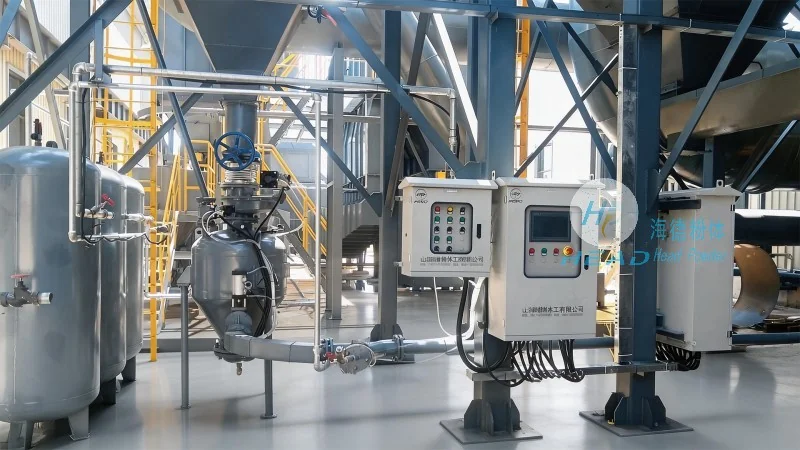
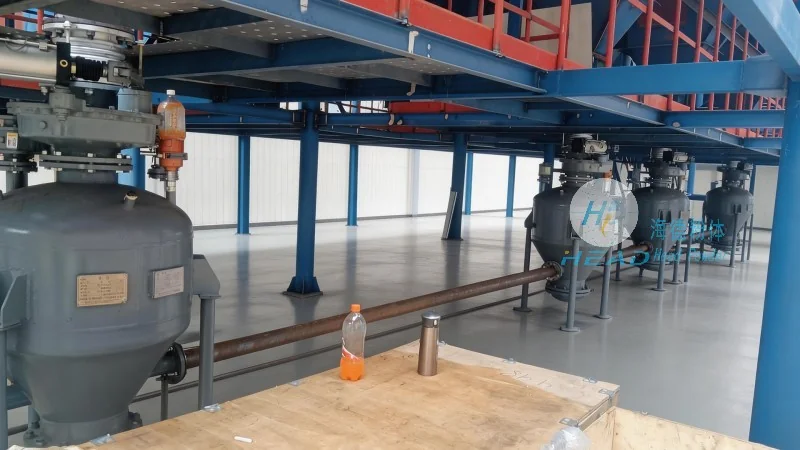
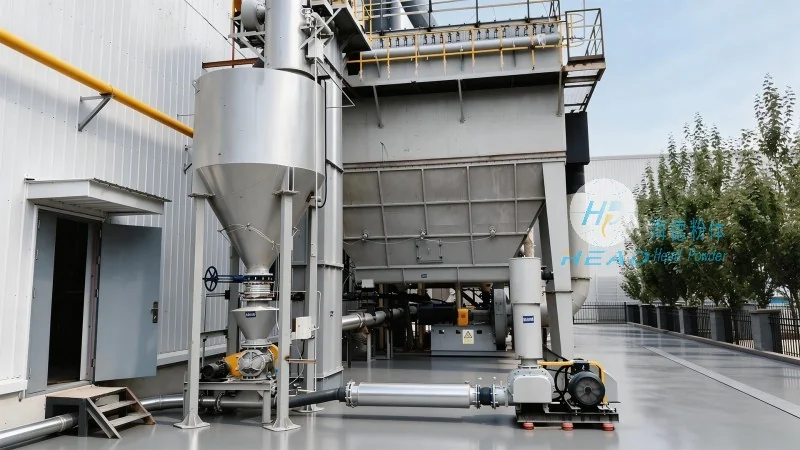
Pneumatic conveying, also known as air conveying, uses compressed air or gas to transport zircon sand through a pipeline. This method is ideal for handling fine to medium-sized particles and is particularly effective for long-distance transport without the need for multiple transfer points. There are two main types of pneumatic conveying: dilute-phase and dense-phase. Dilute-phase systems use high-velocity air to suspend particles, making them suitable for short to medium distances (up to several hundred meters). Dense-phase systems, on the other hand, use lower air velocities and higher material concentrations, which is better for longer distances and more abrasive materials like zircon sand.
Advantages of pneumatic conveying include high efficiency, minimal maintenance, and the ability to handle zircon sand without the need for mechanical components that could cause wear. It also allows for enclosed systems, reducing dust emissions and improving workplace safety. However, pneumatic systems can be more expensive to install and operate compared to other methods, as they require powerful air compressors and energy-efficient pipelines. Additionally, they may not be suitable for very large volumes or heavy particles, as the air flow can become insufficient to maintain suspension.
2. Belt Conveyor Systems
Belt conveyors are a classic and widely used method for transporting bulk materials, including zircon sand. These systems consist of a continuous belt that moves over rollers or pulleys, carrying the material from the loading point to the discharge point. Belt conveyors are particularly effective for horizontal or slightly inclined transport over long distances, with capacities ranging from a few tons per hour to several hundred tons per hour, depending on the belt width and speed.
The primary advantage of belt conveyors is their high capacity and reliability. They can handle large volumes of zircon sand with minimal downtime and are relatively simple to maintain. Belt conveyors also provide a continuous, smooth flow of material, which helps maintain the integrity of the zircon sand particles. However, belt conveyors require significant space for installation and may need regular maintenance to prevent belt wear or slippage. They are also less suitable for vertical or steep inclines, as the belt can slip or the material may fall off. Additionally, belt conveyors may generate dust during loading and unloading, which can be a concern in enclosed environments.
3. Screw Conveyors
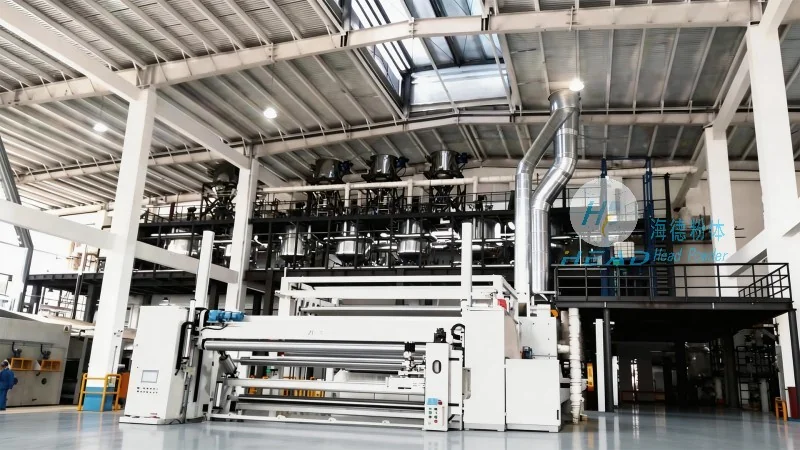
Screw conveyors, also known as auger conveyors, use a rotating screw to move zircon sand through a trough or tube. This method is ideal for short to medium horizontal or slight incline transport, with capacities typically ranging from a few hundred kilograms to several tons per hour. Screw conveyors are particularly effective for handling fine or cohesive materials, as the screw can push the material forward without the need for external forces like air or gravity.

 Shandong Headpowder Engineering Co., Ltd.
 156-6277-7102(Quản lý Trương)
  0531-83386006
  Thành phố Tế Nam, Tỉnh Sơn Đông, Trung Quốc
Điện thoại
WeChatTư vấn
Lên đầu