Công ty TNHH Kỹ thuật Headpowder Sơn Đông chuyên vận chuyển khí nén bột và hạt. Nhờ thế mạnh hợp tác doanh nghiệp‑trường‑viện, chúng tôi cung cấp giải pháp vận chuyển kín, không bụi, độ chính xác cao.
Wood dust, a byproduct of woodworking processes, requires efficient and safe conveying systems to manage its movement within industrial settings. The choice of conveying method significantly impacts operational efficiency, safety, and overall cost-effectiveness. This article provides a detailed comparison of common wood dust conveying methods, examining their advantages and disadvantages to help industrial operators make informed decisions.
1. Pneumatic Conveying Systems
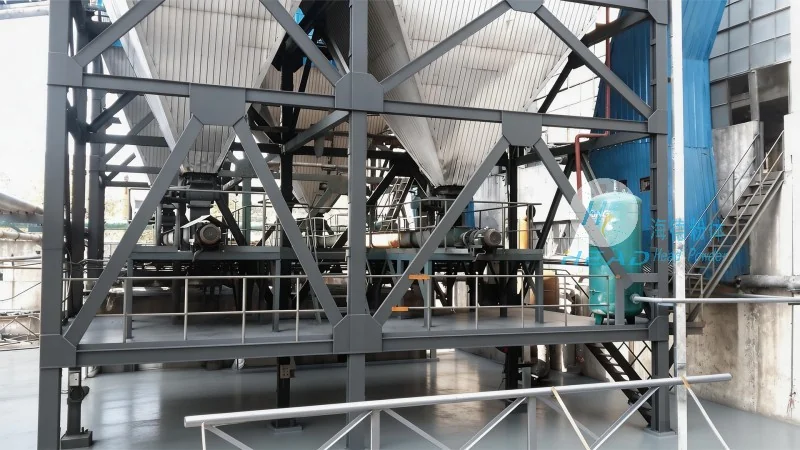
Pneumatic conveying, also known as air conveying, uses compressed air to transport wood dust particles through a pipeline. This method is widely used due to its ability to handle fine powders and its flexibility in system design. The primary advantage of pneumatic conveying is its ability to transport dust over long distances with minimal equipment, making it suitable for large-scale operations. Additionally, it can be integrated with dust collection systems, enhancing overall air quality management. However, pneumatic systems require high air pressure and energy consumption, which can increase operational costs. Moreover, they are susceptible to blockages if the dust is too fine or contains moisture, leading to system downtime and maintenance challenges.
2. Screw Conveyors
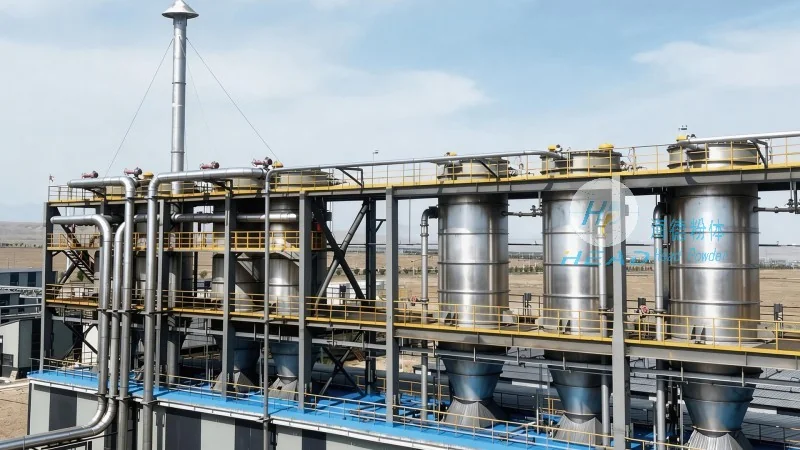
Screw conveyors, or auger conveyors, use a rotating helical screw to move wood dust along a trough. This method is ideal for handling bulk materials and is relatively simple in design. The main advantage of screw conveyors is their low cost and ease of installation, making them a popular choice for smaller-scale applications. They also provide a continuous and reliable flow of material, with minimal maintenance requirements. However, screw conveyors are less effective for fine or abrasive dust, as the screw can cause wear and tear over time. Furthermore, they are limited in vertical lift capacity and may not be suitable for long-distance transport.
3. Belt Conveyors
Belt conveyors use a continuous belt to transport wood dust horizontally or at a slight incline. This method is commonly used in material handling and is known for its high capacity and durability. The primary advantage of belt conveyors is their ability to handle large volumes of material efficiently, with low energy consumption compared to pneumatic systems. They are also suitable for transporting dusty materials without causing excessive dust dispersion. However, belt conveyors require regular maintenance to prevent belt wear and slippage. Additionally, they are not ideal for fine dust, as the belt can cause dust to become airborne during operation. The system also occupies more space than other methods, which may be a constraint in compact industrial environments.
4. Hydraulic Conveying
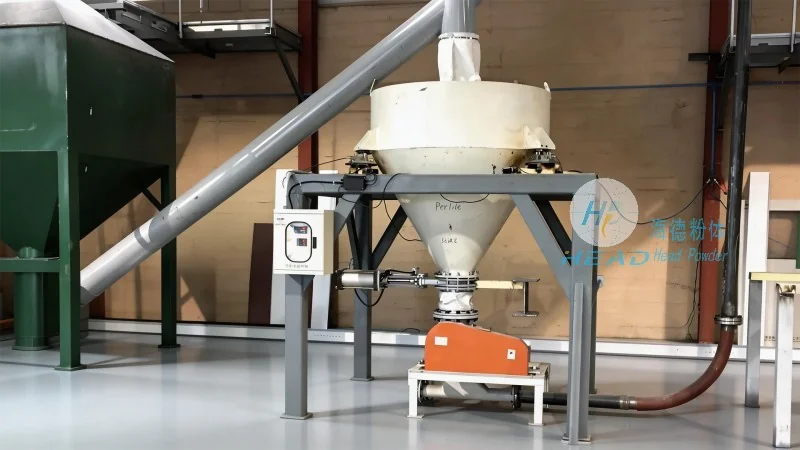
Hydraulic conveying uses a liquid medium, typically water or a slurry, to transport wood dust. This method is effective for handling wet or sticky dust and can be used for both horizontal and vertical transport. The main advantage of hydraulic systems is their ability to handle abrasive and wet materials without causing wear on components. They also provide a smooth and continuous flow, reducing the risk of blockages. However, hydraulic systems require additional equipment for liquid management, increasing initial investment costs. Moreover, they are less energy-efficient compared to pneumatic systems and may generate more waste liquid that needs to be treated.
5. Comparison and Recommendations
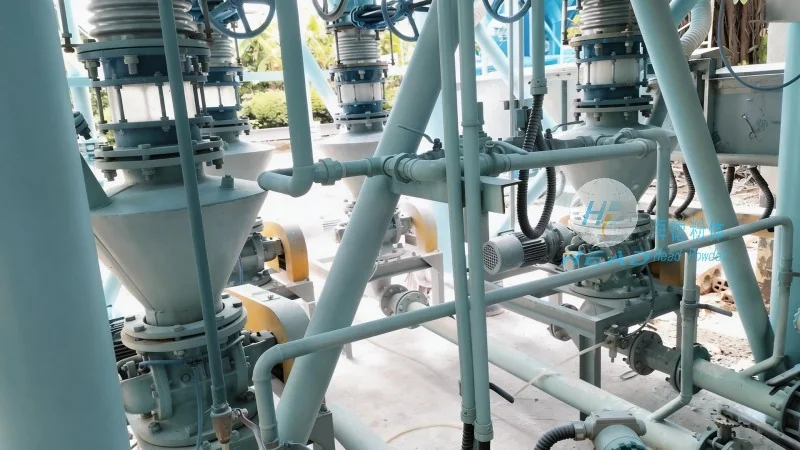
When selecting a wood dust conveying method, industrial operators must consider factors such as material properties, distance, and budget. Pneumatic conveying is best suited for fine dust and long-distance transport, while screw conveyors are ideal for bulk materials and smaller operations. Belt conveyors offer high capacity and durability but require more space. Hydraulic systems are suitable for wet or abrasive dust but have higher maintenance costs. For most woodworking facilities, a combination of methods may be used to optimize performance. For example, pneumatic systems can be used for fine dust collection, while screw conveyors handle bulk material transport. Ultimately, the choice of conveying method should align with the specific needs of the operation to ensure efficient and safe wood dust management.
About Shandong HeadPowder Engineering Co., Ltd.
Shandong HeadPowder Engineering Co., Ltd., based in Shandong, China, specializes in providing customized dust handling solutions for industrial applications. With years of experience in the field, the company offers a range of conveying systems tailored to meet the unique requirements of woodworking and related industries. Their expertise in material handling and dust management ensures that clients receive reliable and efficient solutions that enhance operational productivity and safety. For more information on wood dust conveying systems, contact Shandong HeadPowder Engineering Co., Ltd.

 Shandong Headpowder Engineering Co., Ltd.
 156-6277-7102(Quản lý Trương)
  0531-83386006
  Thành phố Tế Nam, Tỉnh Sơn Đông, Trung Quốc
Điện thoại
WeChatTư vấn
Lên đầu