

Comparing Common Dry Lime Handling Methods: Advantages and Disadvantages
Dry lime, a crucial material in various industrial applications such as flue gas desulfurization and water treatment, requires efficient and reliable handling systems to ensure optimal performance and safety. The choice of a dry lime handling method significantly impacts operational efficiency, cost, and environmental compliance. This article provides a comprehensive comparison of common dry lime handling methods, focusing on their advantages and disadvantages, to help industrial operators make informed decisions.
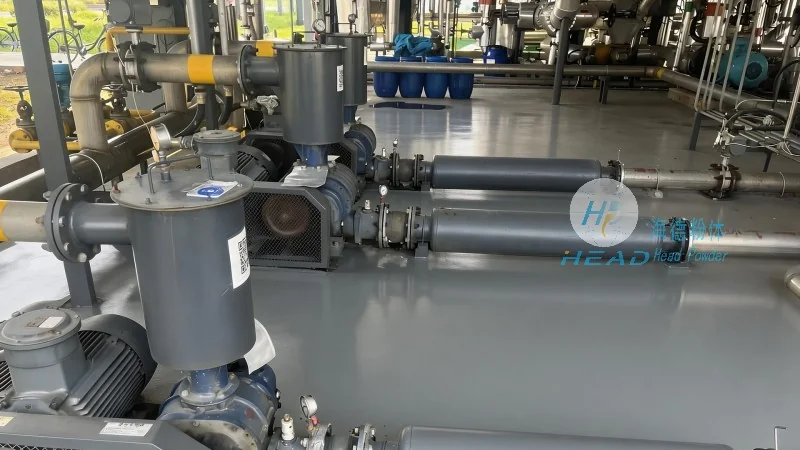
Company Overview: Shandong HeadPowder Engineering Co., Ltd.
Shandong HeadPowder Engineering Co., Ltd., a leading provider of dry powder handling solutions, specializes in designing and manufacturing advanced systems for materials like dry lime. With a strong commitment to quality and innovation, HeadPowder offers tailored solutions that meet the specific needs of industrial clients. The company's expertise in material handling technology ensures that clients receive reliable and efficient systems that enhance productivity and safety.
Types of Dry Lime Handling Systems
Several methods are commonly used for handling dry lime, each with its own set of characteristics and applications. The primary types include pneumatic conveying, mechanical conveying, and hydraulic conveying systems. Each method has distinct advantages and limitations that must be considered based on the specific requirements of the application.
Advantages and Disadvantages of Pneumatic Conveying Systems
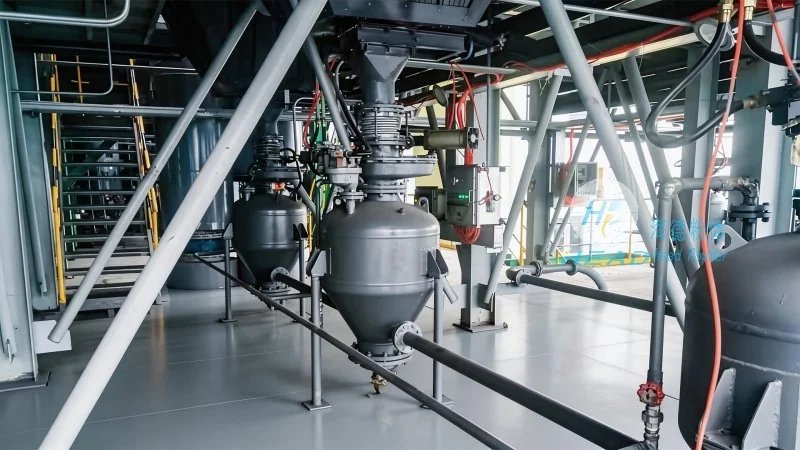
Pneumatic conveying systems use air or other gases to transport dry lime particles through a pipeline. This method is widely used due to its flexibility and ability to handle materials over long distances. The advantages of pneumatic conveying include:
High efficiency in transporting dry lime, especially for fine particles.
Ability to handle materials in a closed system, reducing dust emissions and environmental impact.
Suitable for both low and high-pressure applications.
However, pneumatic conveying also has several disadvantages:
Higher energy consumption compared to other methods.
Potential for particle degradation or segregation if not properly designed.
Requires regular maintenance of air compressors and pipelines.
Advantages and Disadvantages of Mechanical Conveying Systems
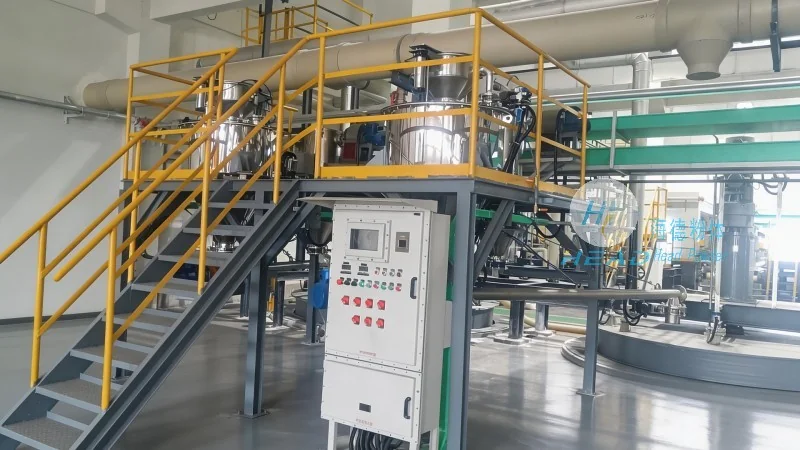
Mechanical conveying systems use mechanical components such as belts, screws, or buckets to transport dry lime. These systems are commonly used in applications where materials need to be moved horizontally or at a slight incline. The advantages of mechanical conveying include:
Lower energy consumption compared to pneumatic systems.
Ability to handle larger quantities of dry lime with less maintenance.
Suitable for materials that are prone to degradation from air flow.
However, mechanical conveying also has its drawbacks:
Limited to horizontal or slight incline applications.
Higher initial cost compared to some pneumatic systems.
Potential for material buildup and blockages in the system.
Advantages and Disadvantages of Hydraulic Conveying Systems
Hydraulic conveying systems use water or other liquids to transport dry lime particles. This method is typically used for materials that are difficult to handle with air or mechanical systems. The advantages of hydraulic conveying include:
Ability to handle very fine or abrasive dry lime particles.
Reduced risk of dust explosions compared to pneumatic systems.
Suitable for long-distance transport over rough terrain.
However, hydraulic conveying also has significant disadvantages:
Higher water consumption and associated costs.
Potential for material clogging in the system.
Requires additional equipment for water treatment and recycling.
Factors to Consider When Choosing a Dry Lime Handling Method
When selecting a dry lime handling method, several factors must be evaluated to ensure the best fit for the application. These factors include:
The physical properties of the dry lime, such as particle size, density, and moisture content.
The distance and layout of the handling system.
The required flow rate and capacity.
The environmental regulations and safety requirements.
The cost of installation, operation, and maintenance.
Industrial operators should conduct a thorough analysis of these factors to determine the most suitable dry lime handling method for their specific needs.
Conclusion
Choosing the right dry lime handling method is critical for optimizing industrial processes and ensuring compliance with environmental regulations. Each method, including pneumatic, mechanical, and hydraulic conveying, has its own set of advantages and disadvantages. By considering the specific requirements of the application and evaluating factors such as material properties, distance, and cost, industrial operators can select the most efficient and reliable system. Shandong HeadPowder Engineering Co., Ltd. offers advanced dry powder handling solutions that cater to the diverse needs of industrial clients, ensuring optimal performance and safety in dry lime handling operations.