

Common Sodium Sulfate Conveying Methods: A Comparison of Advantages and Disadvantages
When it comes to transporting sodium sulfate, selecting the right conveying method is crucial for efficiency, cost-effectiveness, and operational safety. Different industries, such as chemical manufacturing, water treatment, and food processing, often require tailored solutions based on the material's properties, flow characteristics, and the scale of operation. This article provides a detailed comparison of common sodium sulfate conveying methods, highlighting their advantages and disadvantages to help businesses make informed decisions.
1. Pumping Systems: The Traditional Approach
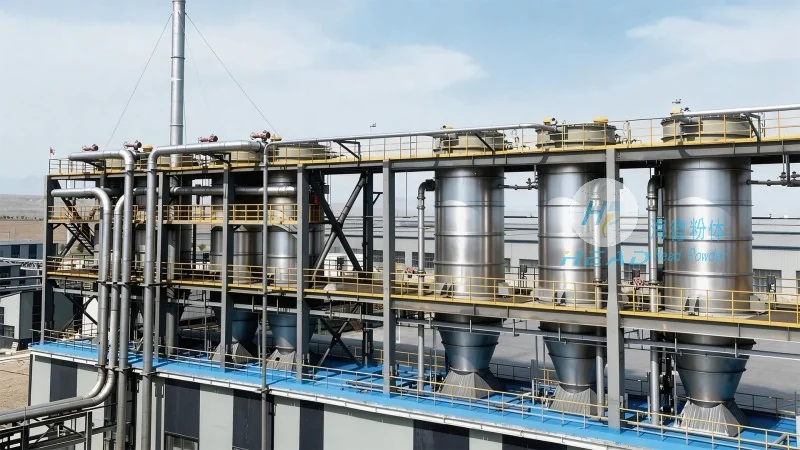
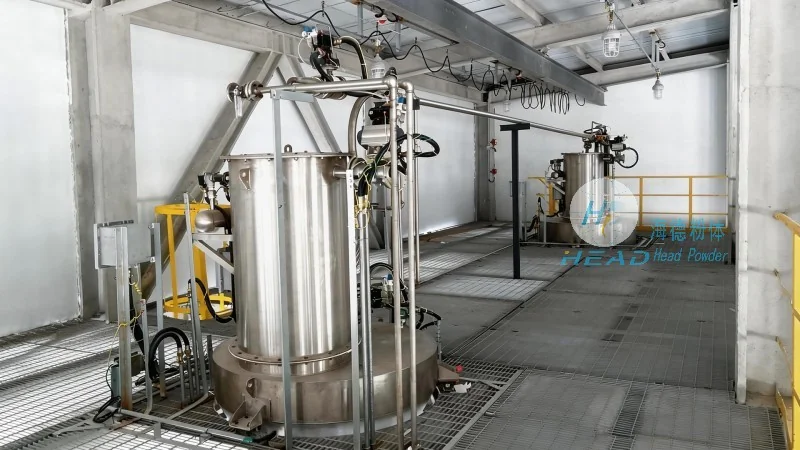
Pumping is one of the most widely used methods for transporting sodium sulfate, especially in applications where the material is in a slurry or solution form. Centrifugal pumps, positive displacement pumps, and diaphragm pumps are commonly employed. The primary advantage of pumping systems is their ability to handle high flow rates and maintain consistent pressure, ensuring smooth material transfer over long distances. They are particularly effective for transporting sodium sulfate in liquid or semi-liquid states, such as in water treatment processes where the material is used as a coagulant or flocculant. However, pumping systems have several drawbacks. They require regular maintenance to prevent wear and tear, which can lead to downtime and increased operational costs. Additionally, the risk of clogging is higher with slurries, and the energy consumption can be significant, especially for large-scale operations. Another consideration is the potential for corrosion in the pump components, as sodium sulfate solutions can be abrasive and acidic under certain conditions.
2. Pneumatic Conveying: Air-Assisted Transport
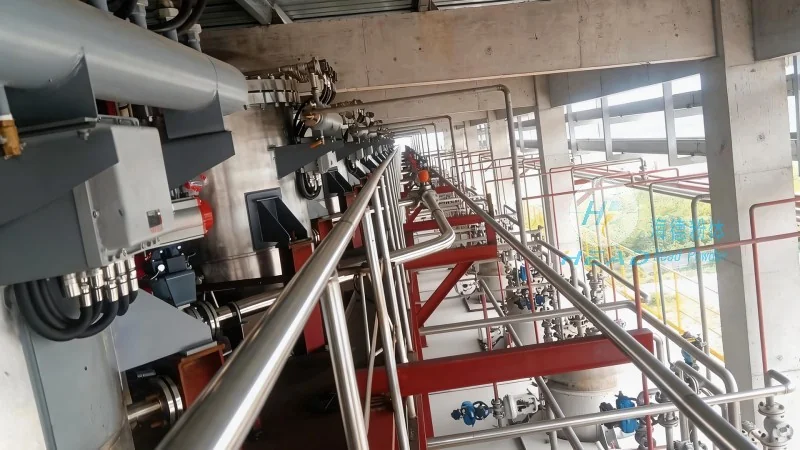
Pneumatic conveying uses air or other gases to transport sodium sulfate particles through a pipeline. This method is suitable for dry, free-flowing sodium sulfate and is often preferred in industries where dust control is a priority. The main advantage of pneumatic conveying is its ability to transport materials without direct contact with mechanical components, reducing the risk of contamination and wear. It also allows for flexible system designs, as the pipeline can be routed around obstacles. However, pneumatic conveying has its limitations. The system requires a significant amount of energy to generate the air pressure, which can increase operational costs. Additionally, the velocity of the material must be carefully controlled to prevent particle degradation or system blockages. The risk of dust explosions is also a concern in certain environments, necessitating proper explosion-proof measures. Furthermore, the system's efficiency can be affected by the particle size and density of the sodium sulfate, as larger or heavier particles may settle in the pipeline and cause clogs.
3. Screw Conveyors: Continuous and Low-Profile Transport
Screw conveyors, also known as auger conveyors, are a popular choice for transporting dry sodium sulfate in bulk. These systems consist of a rotating screw inside a trough, which moves the material forward through the pipeline. The primary advantage of screw conveyors is their simplicity and reliability. They require minimal maintenance and can operate continuously without interruption, making them ideal for high-volume applications. Screw conveyors are also relatively low-profile, which can save space in industrial facilities. However, they have limitations when dealing with abrasive or sticky materials. The screw and trough can wear out quickly, leading to increased maintenance costs and potential downtime. Additionally, the system's capacity is limited by the screw's speed and the material's flow characteristics. For sodium sulfate with high moisture content or cohesive properties, the material may stick to the screw, reducing the conveyor's efficiency. Another drawback is that screw conveyors are not suitable for transporting materials with high moisture content, as this can lead to clogging and increased wear.
4. Belt Conveyors: High-Capacity and Versatile Solutions
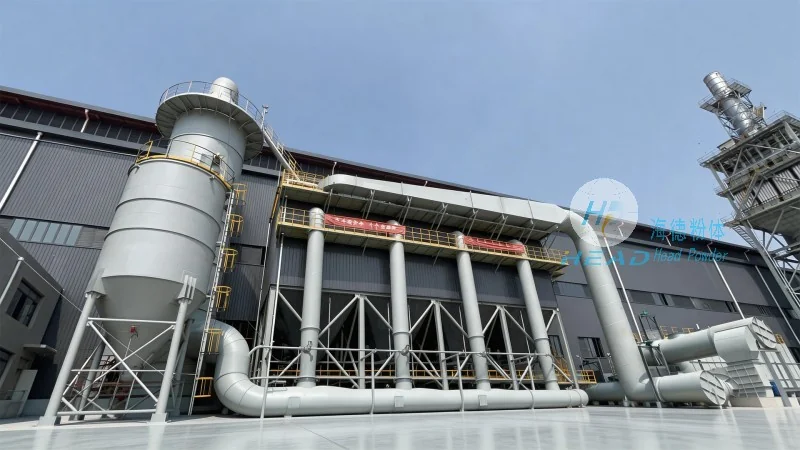
Belt conveyors are another common method for transporting sodium sulfate, particularly in applications where large quantities of material need to be moved over long distances. These systems use a continuous belt that moves the material from one point to another, often with multiple inclines and declines. The main advantage of belt conveyors is their high capacity and ability to handle a wide range of material types, including dry and wet sodium sulfate. They are also relatively low-cost to install and maintain, making them an attractive option for many industries. Belt conveyors are versatile and can be adapted to various operational needs, such as loading and unloading trucks or transporting material to storage silos. However, belt conveyors have several drawbacks. They require regular inspection and maintenance to prevent belt wear and tear, which can lead to system failures. The risk of material spillage is also higher with belt conveyors, especially when transporting sticky or cohesive sodium sulfate. Additionally, the system's efficiency can be affected by the material's flow characteristics, as the belt may slip or the material may fall off if the angle of inclination is too steep. Another consideration is the space required for the conveyor system, as it needs to be installed with sufficient clearance for maintenance and operation.