

Comparison of Common Adipic Acid Transportation Methods: Advantages and Disadvantages
Adipic acid, a crucial chemical intermediate widely used in the production of nylon and other polymers, requires efficient and safe transportation methods to meet industrial demands. The choice of transportation method significantly impacts operational efficiency, cost, and safety. This article provides a detailed comparison of common adipic acid transportation methods, highlighting their advantages and disadvantages, based on insights from Shandong HeadPowder Engineering Co., Ltd., a leading provider of chemical processing solutions.
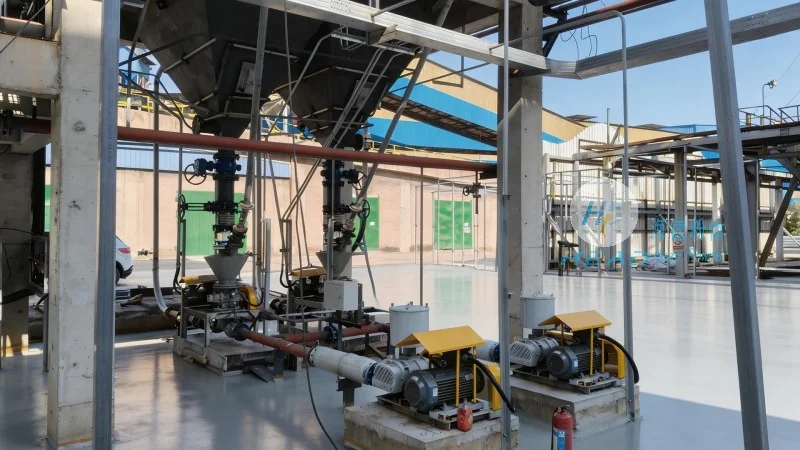
Overview of Adipic Acid and Its Transportation Importance
Adipic acid (HOOC-(CH2)4-COOH) is a white crystalline solid with a molecular weight of 146.14 g/mol. It is a key raw material in the manufacturing of hexamethylenediamine (HMDA), which is then used to produce nylon-6,6. Given its widespread application in the chemical and textile industries, reliable transportation is essential to ensure a steady supply of this critical chemical. The transportation methods for adipic acid must adhere to strict safety standards due to its reactivity and potential hazards, such as fire or corrosion.
Common Adipic Acid Transportation Methods
Several methods are commonly employed for transporting adipic acid, each with distinct characteristics and suitability for different scenarios. The primary options include pipeline transportation, road transport via tank trucks, and bulk packaging in containers. Each method has its own set of advantages and disadvantages, which are discussed below.
Pipeline Transportation: Advantages and Disadvantages
Pipeline transportation is a continuous, closed-system method that involves pumping adipic acid through a network of pipes. This method is highly efficient for large-scale, long-distance transportation and is particularly suitable for industrial plants located near existing pipelines. The main advantages of pipeline transport include:
High capacity and continuous flow, reducing the need for frequent loading and unloading.
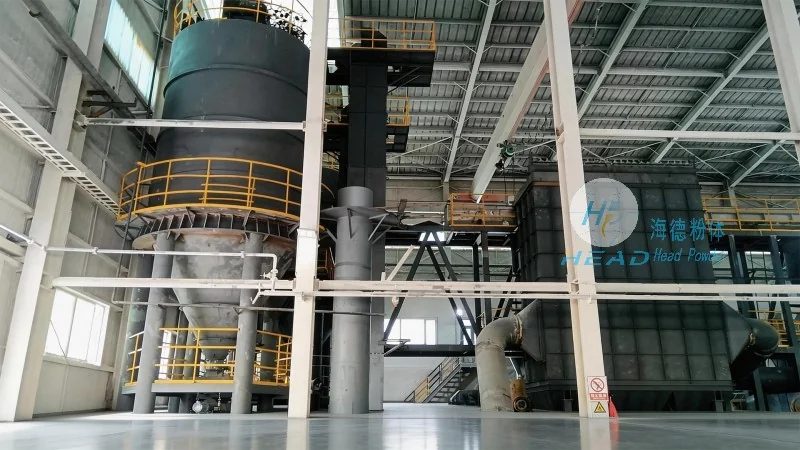
Minimal risk of spillage or contamination compared to road transport.
Operational cost savings due to reduced labor and equipment requirements.
However, pipeline transportation also has significant drawbacks. The initial investment for pipeline construction is substantial, making it less feasible for smaller-scale operations or locations without existing infrastructure. Additionally, maintenance and repair of pipelines can be costly and time-consuming. Furthermore, pipeline systems are less flexible in terms of route changes and are limited to areas with pre-existing pipeline networks.
Truck Tanker Transport: Advantages and Disadvantages
Truck tanker transport is the most common method for transporting adipic acid over short to medium distances. Tank trucks are specialized vehicles equipped with insulated, corrosion-resistant tanks designed to handle the chemical's properties. This method offers several advantages:
Flexibility in route and destination, allowing delivery to remote or non-pipeline-connected locations.
Lower initial investment compared to pipeline systems, making it more accessible for smaller industries.
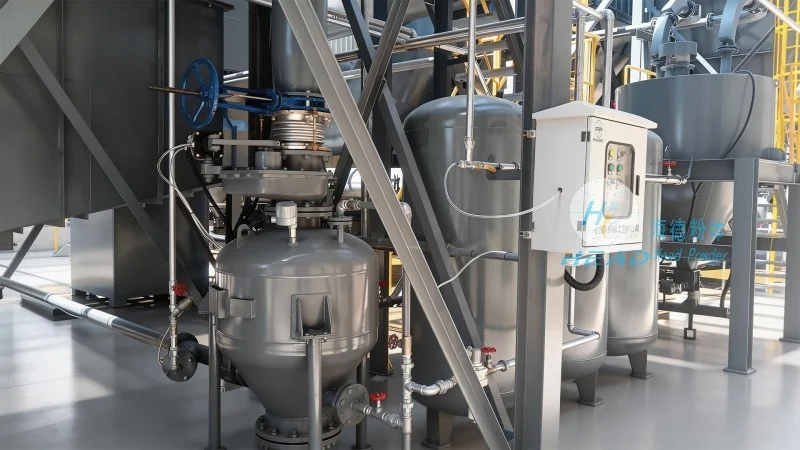
Ability to transport smaller quantities, providing more granular supply management.
Despite these benefits, truck tanker transport has notable disadvantages. The primary concern is safety, as tank trucks are vulnerable to accidents, spills, and leaks, which can lead to environmental and health hazards. Additionally, road transport is subject to traffic congestion and weather conditions, potentially causing delays. The cost of fuel and driver labor also contributes to higher operational expenses compared to pipeline transport. Furthermore, the capacity of a single truck is limited, requiring more trips to transport large volumes.
Bulk Packaging in Containers: Advantages and Disadvantages
Bulk packaging involves storing and transporting adipic acid in large containers, such as bulk tanks or railcars. This method is often used for intermediate storage and distribution before final delivery to end-users. The advantages of bulk packaging include:
Scalability, as containers can be sized to accommodate various quantities, from small batches to large shipments.
Reduced risk of damage during transport compared to smaller, more fragile containers.
Compatibility with existing storage infrastructure, allowing for integration with existing industrial facilities.
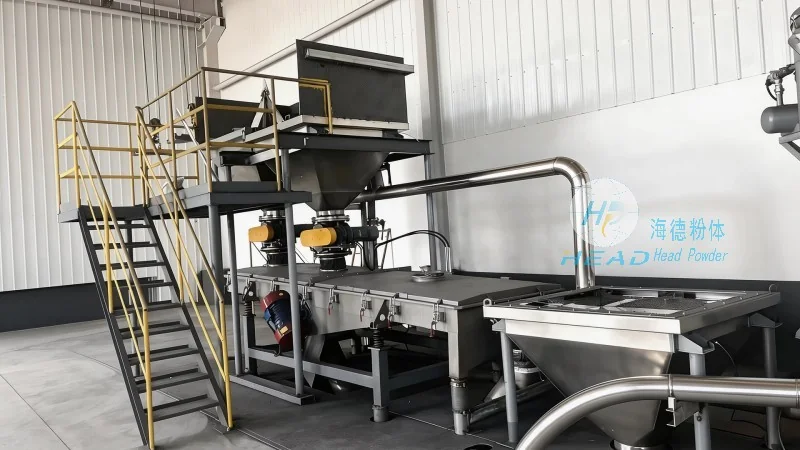
However, bulk packaging also has limitations. The containers require regular inspection and maintenance to ensure structural integrity and prevent leaks. The handling and loading of bulk containers can be labor-intensive and time-consuming, especially for large volumes. Additionally, the method is less suitable for long-distance transportation due to the need for multiple transfer points and the higher risk of contamination or loss during handling.
Factors Influencing the Choice of Transportation Method
The selection of an adipic acid transportation method depends on several key factors, including the scale of operation, distance, infrastructure availability, and budget constraints. For large-scale industrial plants with existing pipeline networks, pipeline transportation is often the most cost-effective and efficient option. For smaller operations or locations without pipeline access, truck tanker transport provides a flexible and practical solution. Bulk packaging in containers is typically used for intermediate storage and distribution, complementing other transportation methods.
Conclusion
Choosing the appropriate adipic acid transportation method is critical for ensuring operational efficiency, safety, and cost-effectiveness. Pipeline transportation offers high capacity and continuous flow but requires significant initial investment. Truck tanker transport provides flexibility and lower initial costs but poses safety risks and higher operational expenses. Bulk packaging in containers offers scalability and reduced handling risks but requires careful maintenance and handling. By evaluating these factors, industries can select the most suitable transportation method to meet their specific needs and ensure a reliable supply of adipic acid.