

Comparison of Common Acrylic Esters Rubber Conveying Methods: Advantages and Disadvantages
When it comes to handling acrylic ester rubber, selecting the right conveying method is crucial for ensuring efficiency, material integrity, and operational safety. Acrylic ester rubber, known for its excellent resistance to chemicals, heat, and abrasion, is widely used in various industrial applications. HeadPowder, a leading manufacturer based in Shandong, China, understands the importance of choosing the right conveying system for optimal performance. This article provides a detailed comparison of common acrylic ester rubber conveying methods, highlighting their advantages and disadvantages to help industrial professionals make informed decisions.
1. Pneumatic Conveying Systems
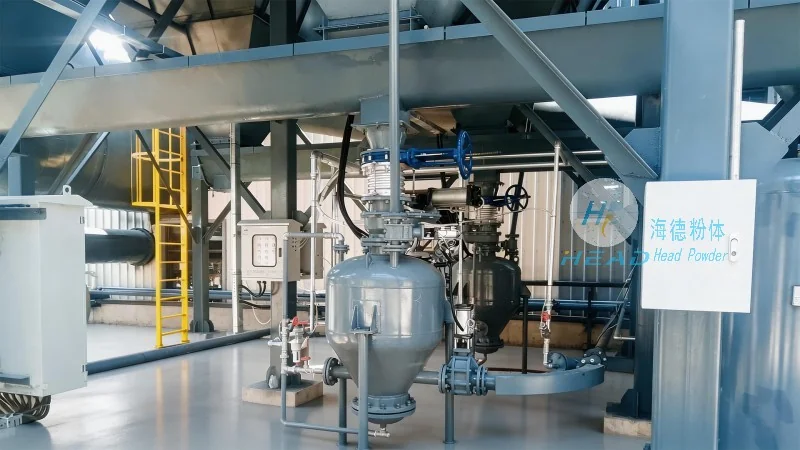
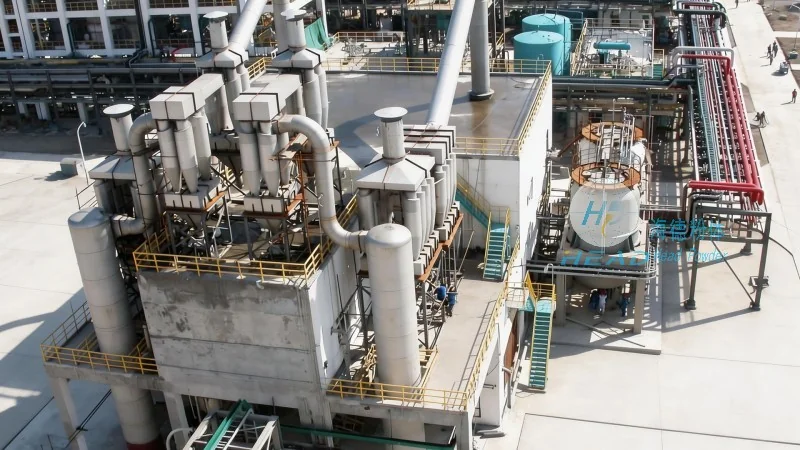
Pneumatic conveying systems use air or other gases to transport acrylic ester rubber particles or granules. This method is ideal for handling fine powders or small particles. One of the key advantages of pneumatic conveying is its ability to transport materials over long distances without the need for complex machinery. It also allows for the integration of dust collection systems, which helps maintain a clean and safe working environment. However, pneumatic conveying can be less efficient for bulk materials and may require higher air pressure, leading to increased energy consumption. Additionally, the system may experience wear and tear on components like valves and pipes, necessitating regular maintenance.
2. Screw Conveyors
Screw conveyors are a popular choice for transporting acrylic ester rubber due to their simplicity and reliability. These systems use a rotating screw to move material along a tube or trough. Screw conveyors are particularly effective for handling free-flowing materials and can be easily integrated into existing production lines. They offer good control over the material flow rate and can handle a wide range of particle sizes. A significant advantage is their low maintenance requirements and ability to operate in various orientations. However, screw conveyors may not be suitable for very abrasive or sticky acrylic ester rubber, as this can cause excessive wear on the screw and housing. Additionally, they are less effective for transporting materials with high moisture content, as this can lead to clogging.
3. Belt Conveyors
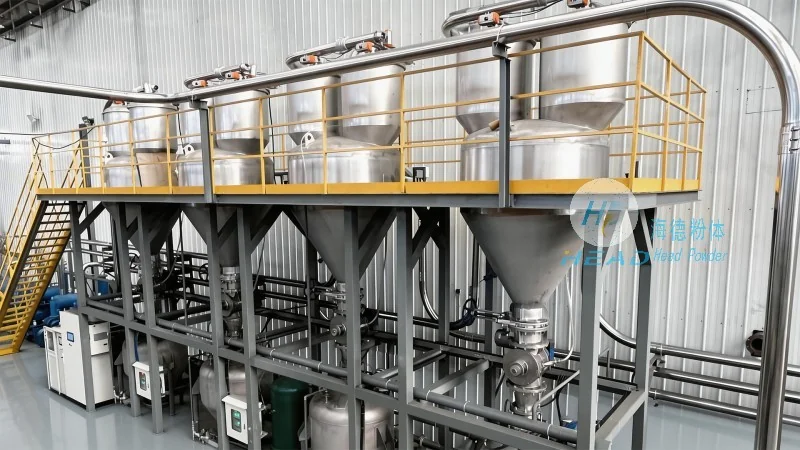
Belt conveyors are widely used in industrial settings for transporting acrylic ester rubber, especially in bulk handling applications. These systems consist of a continuous belt that moves material from one point to another. Belt conveyors offer high capacity and can handle large volumes of material efficiently. They are also suitable for transporting materials over long distances and can be customized with different belt materials to suit specific requirements. A key advantage is their ability to transport materials at high speeds, reducing overall processing time. However, belt conveyors require regular inspection and maintenance to prevent belt slippage or wear. They may also be less suitable for handling very fine or powdery acrylic ester rubber, as this can cause the material to fall through the belt or cause uneven distribution.
4. Bucket Elevators
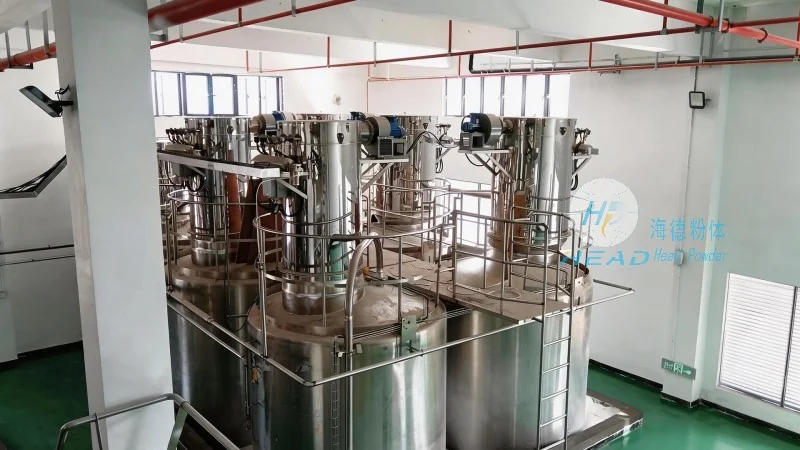
Bucket elevators are vertical conveying systems that use buckets attached to a chain or belt to transport acrylic ester rubber. This method is ideal for moving materials vertically over significant heights. Bucket elevators offer high efficiency and can handle large volumes of material with minimal space requirements. They are also suitable for transporting materials with high moisture content or those that are prone to clogging. A key advantage is their ability to operate continuously without the need for frequent stops, ensuring a steady flow of material. However, bucket elevators require regular maintenance to prevent bucket wear and chain or belt failure. They may also be less effective for handling very fine or abrasive acrylic ester rubber, as this can cause excessive wear on the buckets and other components.
5. Vibrating Conveyors
Vibrating conveyors use vibrations to move acrylic ester rubber along a trough or conveyor bed. This method is particularly effective for handling materials that are difficult to convey using traditional methods, such as sticky or cohesive acrylic ester rubber. Vibrating conveyors offer good control over the material flow rate and can be adjusted to suit different material characteristics. They are also low maintenance and can operate in various orientations. A key advantage is their ability to handle materials with high moisture content or those that are prone to clogging. However, vibrating conveyors may not be suitable for very abrasive or heavy acrylic ester rubber, as this can cause excessive wear on the conveyor bed and other components. Additionally, they require regular vibration system checks to ensure optimal performance.