

Common Ferrous Oxide Transportation Methods: An Introduction to Ferrous Oxide Pneumatic Conveying
When it comes to transporting ferrous oxide, selecting the right method is crucial for efficiency, safety, and cost-effectiveness. Ferrous oxide, also known as iron(II) oxide, is a common industrial material used in various applications, including steel production, chemical manufacturing, and as a pigment. The choice of transportation method depends on factors such as material properties, distance, volume, and environmental considerations. In this article, we will explore common ferrous oxide transportation methods, with a focus on pneumatic conveying, a widely used technique for handling this material. Shandong HeadPowder Engineering Co., Ltd., a leading provider of industrial material handling solutions, specializes in designing and manufacturing pneumatic conveying systems tailored to the unique needs of ferrous oxide applications.
Overview of Ferrous Oxide Transportation
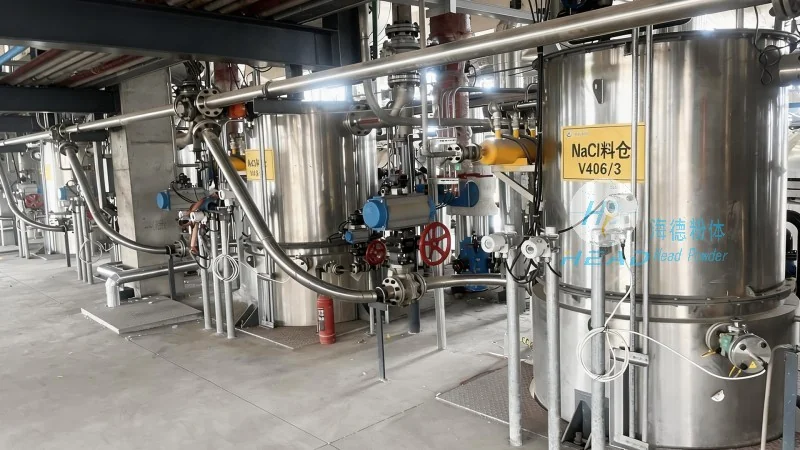
Ferrous oxide, with its fine powder or granular form, requires specialized handling to prevent dust generation and ensure stable transport. Traditional methods like bulk bags, trucks, and conveyor belts are often used, but they may not be suitable for all scenarios, especially when dealing with high volumes or long distances. Pneumatic conveying, a method that uses air to move material through a pipeline, has emerged as a preferred solution due to its ability to handle fine powders efficiently and minimize environmental impact.
Pneumatic Conveying Systems for Ferrous Oxide
Pneumatic conveying systems for ferrous oxide typically consist of a series of components designed to transport the material from the source to the destination. These systems can be categorized into two main types: pressure and vacuum. Pressure systems use compressed air to push the material through the pipeline, while vacuum systems use a vacuum to pull the material. Both systems are effective for ferrous oxide, but the choice depends on the specific application and the distance to be covered.
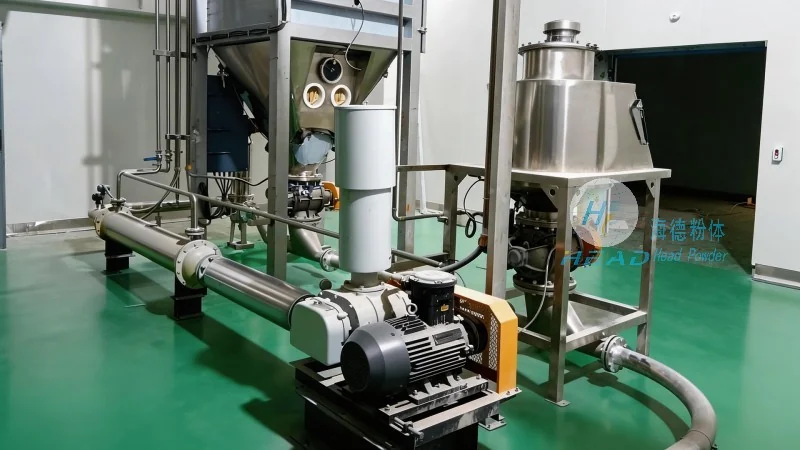
Key components of a pneumatic conveying system for ferrous oxide include the hopper, where the material is stored; the feeder, which controls the flow rate; the pipeline, which transports the material; and the receiver, where the material is deposited. The system also includes filters and cyclones to separate the material from the air, ensuring that the air is clean and can be reused. For ferrous oxide, which is a fine powder, the system must be designed to prevent clogging and ensure consistent flow.
Advantages of Pneumatic Conveying for Ferrous Oxide
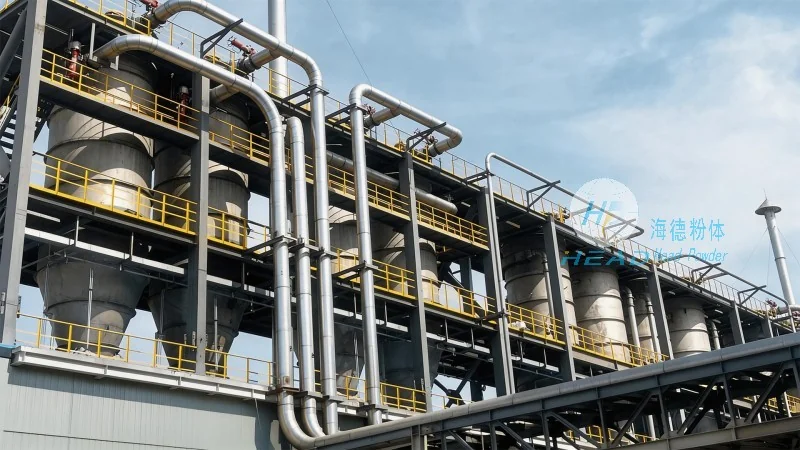
There are several advantages to using pneumatic conveying for ferrous oxide. First, it is a closed system, which minimizes dust exposure and environmental contamination. This is particularly important for ferrous oxide, which can be hazardous if inhaled. Second, pneumatic conveying is highly efficient, as it can transport large volumes of material over long distances with minimal energy consumption. Third, it is flexible, as the system can be easily adjusted to handle different material types or flow rates. Finally, it is cost-effective, as it reduces labor costs and equipment wear compared to traditional methods.
Considerations for Ferrous Oxide Pneumatic Conveying
While pneumatic conveying is an effective method for ferrous oxide, there are some considerations to keep in mind. First, the system must be designed to handle the specific properties of ferrous oxide, such as its density and flowability. Second, the system must be equipped with proper filtration to prevent clogging and ensure consistent performance. Third, the system must be maintained regularly to prevent wear and tear. Finally, the system must be operated by trained personnel to ensure safety and efficiency.
Conclusion
In conclusion, pneumatic conveying is a highly effective method for transporting ferrous oxide. It offers several advantages over traditional methods, including efficiency, safety, and cost-effectiveness. However, it is important to consider the specific properties of ferrous oxide and the requirements of the application when selecting a pneumatic conveying system. By doing so, companies can ensure that they are using the most appropriate method for their needs and achieving optimal results.