Công ty TNHH Kỹ thuật Headpowder Sơn Đông chuyên vận chuyển khí nén bột và hạt. Nhờ thế mạnh hợp tác doanh nghiệp‑trường‑viện, chúng tôi cung cấp giải pháp vận chuyển kín, không bụi, độ chính xác cao.
When designing a sediment pneumatic conveying system, several key factors must be considered to ensure efficiency, reliability, and cost-effectiveness. The process involves a systematic approach that integrates engineering principles with practical application to handle sediment materials effectively.
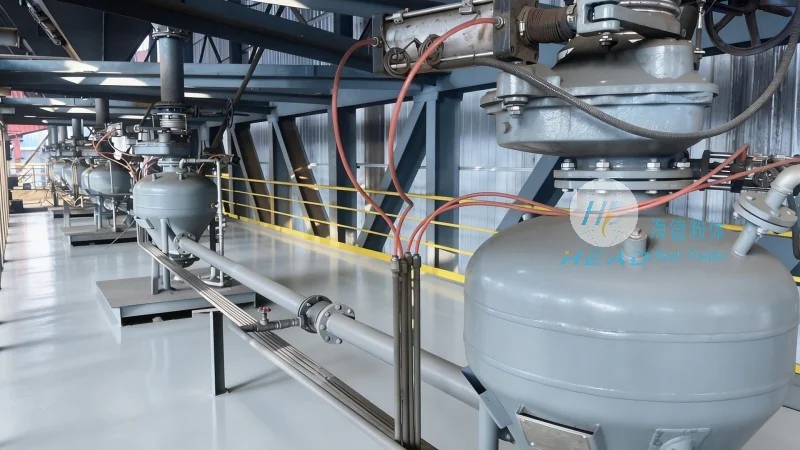
Understanding the Core Components of Sediment Pneumatic Conveying Systems
A sediment pneumatic conveying system typically consists of several critical components that work in tandem to transport materials. The primary elements include the material feed hopper, which stores and feeds the sediment; the air compressor or blower that generates the necessary airflow; the conveying pipeline that transports the material; the separation and collection equipment that removes air from the material stream; and the control system that regulates the entire process. Each component plays a vital role in maintaining the system's performance and preventing operational issues.
Choosing the Right Pneumatic Conveying System Type for Sediment Materials
The selection of the appropriate system type is a critical decision that impacts the overall efficiency and suitability of the sediment transport process. Common types include positive pressure systems, negative pressure systems, and hybrid systems. Positive pressure systems are often preferred for long-distance or high-capacity transport as they can handle larger particle sizes and provide consistent pressure. Negative pressure systems, on the other hand, are suitable for applications requiring minimal dust emission and are ideal for short-distance transport. Hybrid systems combine elements of both positive and negative pressure, offering flexibility in handling varying material characteristics and operational conditions.
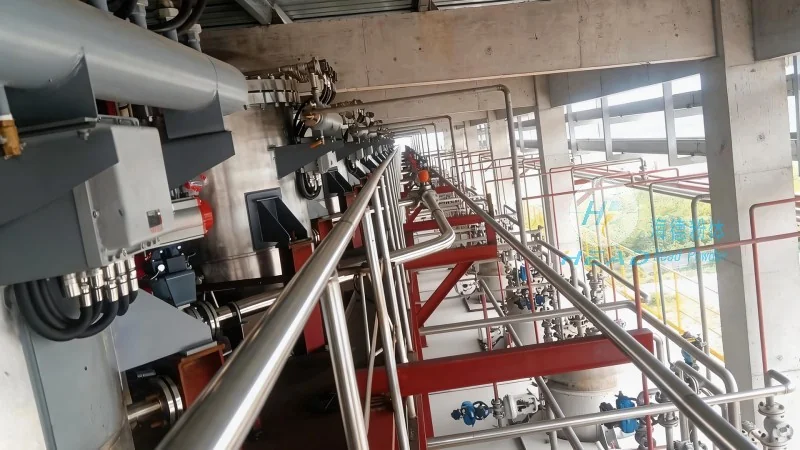
Design Considerations for Conveying Pipeline and Airflow Management
The design of the conveying pipeline is essential for minimizing pressure drop and ensuring smooth material flow. The pipeline material, diameter, and length are all critical factors that affect system performance. For sediment materials, which may have varying particle sizes and moisture content, the use of flexible or rigid pipelines with appropriate smoothness and internal coating is recommended to prevent material buildup and blockages. Airflow management is equally important, as the velocity of the air must be sufficient to entrain the sediment particles without causing excessive wear on the system components. Proper air velocity calculations, based on material properties and pipeline dimensions, are necessary to achieve optimal conveying efficiency.
Selection of Air Compressor and Blower Equipment
The air compressor or blower is the heart of the pneumatic conveying system, responsible for generating the required airflow and pressure. The choice of equipment depends on the system's capacity, pressure requirements, and the characteristics of the sediment being transported. Centrifugal blowers are commonly used for high-volume, low-pressure applications, while positive displacement blowers are suitable for high-pressure, low-volume needs. The selection should also consider factors such as energy efficiency, maintenance requirements, and noise levels to ensure long-term operational reliability.
Separation and Collection Equipment for Efficient Sediment Handling
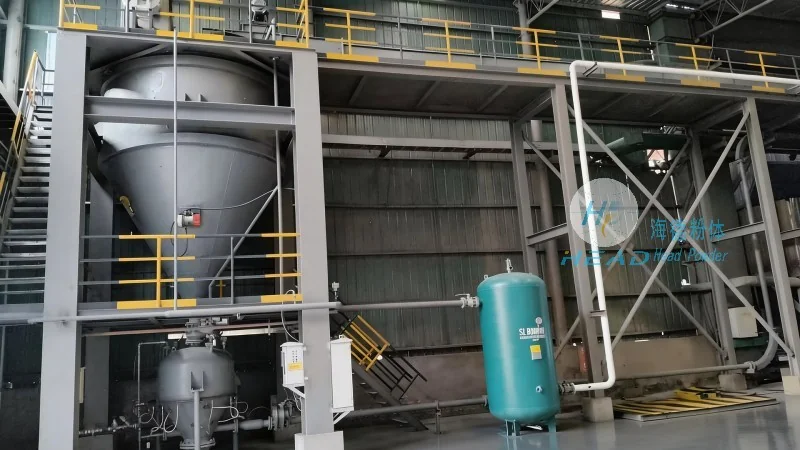
After the sediment has been conveyed, the air must be separated from the material to prevent dust emissions and ensure the material is properly collected. The separation equipment typically includes cyclone separators, bag filters, or electrostatic precipitators, depending on the system's requirements and the nature of the sediment. Cyclone separators are effective for removing larger particles and are commonly used in initial stages of separation. Bag filters or electrostatic precipitators are used for finer particles and provide higher efficiency in capturing dust. The design of the collection system must ensure that the sediment is discharged without re-entrainment of air, maintaining a clean and efficient operation.
Control System Integration for Optimal Performance
The control system is crucial for monitoring and regulating the pneumatic conveying process to maintain optimal performance. Modern systems often incorporate sensors and automation to monitor parameters such as pressure, airflow, and material level. These sensors provide real-time data that allows for adjustments to be made quickly, preventing system failures or inefficiencies. The control system should also include safety features to protect personnel and equipment from potential hazards, such as overpressure or material blockages. Proper integration of the control system with all components ensures a stable and reliable operation of the sediment pneumatic conveying system.
Case Study: Successful Implementation by Shandong HeadPowder Engineering Co., Ltd.
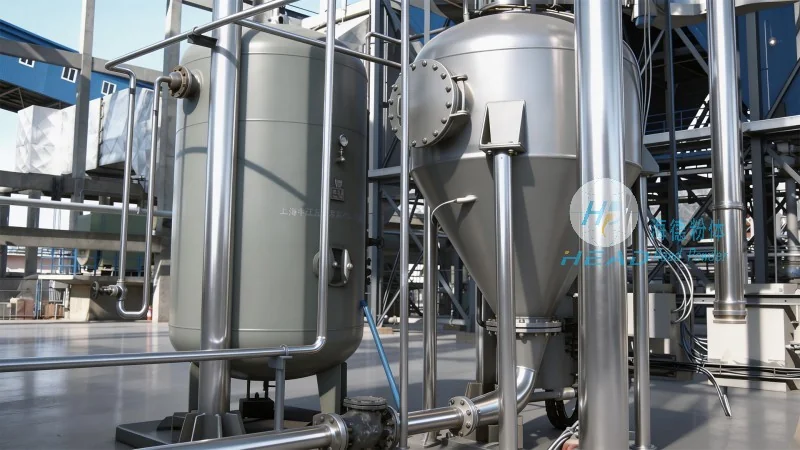
Shandong HeadPowder Engineering Co., Ltd., a leading provider of engineering solutions for material handling, has successfully implemented sediment pneumatic conveying systems for various industrial applications. By leveraging their expertise in system design and component selection, they have delivered systems that meet the specific needs of clients, ensuring efficient transport of sediment materials while minimizing operational costs. Their approach involves a thorough analysis of the material properties, operational requirements, and site conditions to develop customized solutions that optimize performance and reliability.
Conclusion: Key Takeaways for Designing Effective Sediment Pneumatic Conveying Systems
Designing a reasonable sediment pneumatic conveying system requires a comprehensive understanding of the material characteristics, system components, and operational requirements. By carefully selecting the appropriate system type, optimizing pipeline and airflow design, choosing suitable equipment, and integrating effective control systems, engineers can develop systems that are efficient, reliable, and cost-effective. The success of such systems depends on the integration of engineering principles with practical application, ensuring that all components work in harmony to achieve the desired transport objectives. For organizations seeking to implement sediment pneumatic conveying systems, partnering with experienced engineering firms like Shandong HeadPowder Engineering Co., Ltd. can provide the expertise and solutions needed to achieve optimal results.

 Shandong Headpowder Engineering Co., Ltd.
 156-6277-7102(Quản lý Trương)
  0531-83386006
  Thành phố Tế Nam, Tỉnh Sơn Đông, Trung Quốc
Điện thoại
WeChatTư vấn
Lên đầu