

How to Design a Reasonable Perlite Pneumatic Conveying System Plan
For industrial operations dealing with perlite, selecting and designing an efficient pneumatic conveying system is crucial. A well-engineered system not only ensures smooth material transport but also minimizes operational costs and enhances safety. This article, presented by Shandong HeadPowder Engineering Co., Ltd., a leading company based in Shandong, China, outlines the key steps and considerations for designing a reasonable perlite pneumatic conveying system.
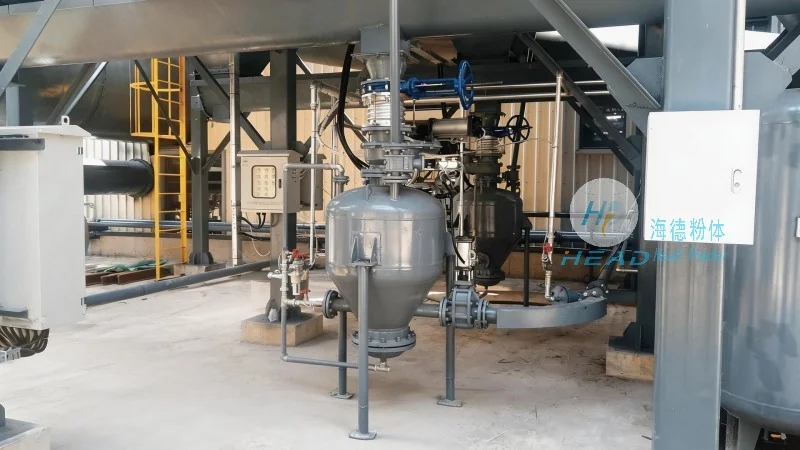
Understanding the Material Properties: The Foundation of System Design
Before initiating any design process, a thorough analysis of the perlite material properties is essential. Key factors include particle size distribution, bulk density, moisture content, and flowability. These characteristics directly impact the choice of conveying method—whether it's a dilute phase, dense phase, or a hybrid system. For instance, fine perlite particles may require a higher air velocity to prevent clogging, while larger particles can be handled with lower velocities. The company, HeadPowder, emphasizes that accurate material characterization is the first step to avoid system inefficiencies or failures.
Defining System Requirements and Constraints
System designers must consider several operational and physical constraints. The distance between the loading and discharge points, the required throughput (tonnes per hour), and the elevation change are critical parameters. Additionally, the system's integration with existing infrastructure, such as existing ductwork or process equipment, must be evaluated. Shandong HeadPowder Engineering Co., Ltd. advises that a comprehensive site survey and process flow analysis are necessary to gather all relevant data. This ensures that the designed system aligns with the client's production goals and operational environment.
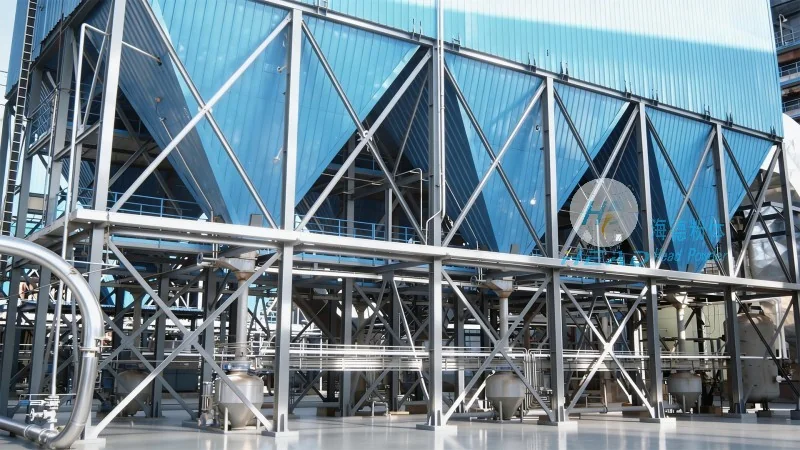
Calculating Airflow and Pressure Requirements
The core of pneumatic conveying system design involves determining the appropriate airflow rate and pressure levels. The airflow must be sufficient to maintain the material in suspension while minimizing energy consumption. Engineers use empirical formulas and computational fluid dynamics (CFD) simulations to calculate the required air velocity and pressure drop across the system. For perlite, which is a light, low-density material, the air velocity typically ranges from 20 to 30 meters per second in dilute phase systems. The pressure requirements are then derived based on the total system length, fittings, and elevation changes. HeadPowder's engineering team employs advanced software and expertise to ensure precise calculations, optimizing both performance and cost.
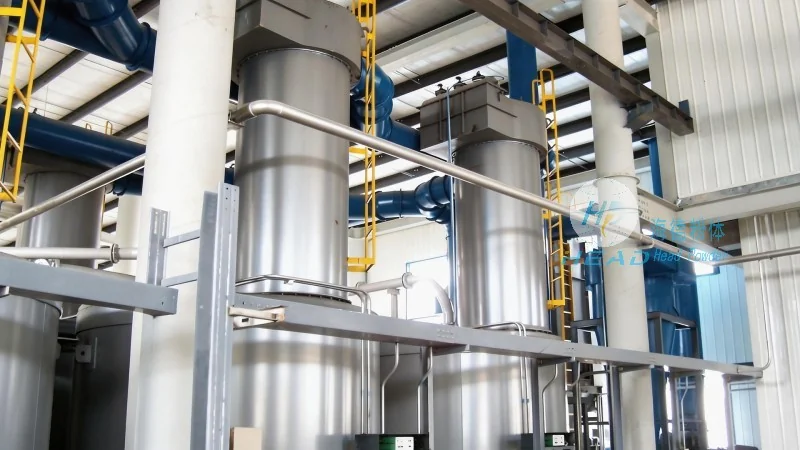
Selecting Appropriate Equipment and Components
Once the airflow and pressure are determined, the next step is to select the appropriate equipment. This includes the blower or compressor, airlocks, feeders, and conveying ducts. The choice of equipment depends on the system type (e.g., positive or negative pressure) and the material's properties. For example, a positive pressure system uses a blower to push air and material through the duct, while a negative pressure system uses a vacuum to pull material. The company recommends using high-efficiency, low-noise blowers to reduce operational costs and environmental impact. Additionally, the material of construction for ducts and components must be selected to withstand the abrasive nature of perlite, ensuring long-term durability.
Ensuring System Reliability and Maintenance
A well-designed system also considers maintenance and reliability. Regular cleaning of ducts and filters is essential to prevent material buildup and clogging. The inclusion of check valves, pressure relief valves, and safety interlocks enhances system safety and operational reliability. Shandong HeadPowder Engineering Co., Ltd. provides comprehensive maintenance plans and spare parts support to ensure the system operates at peak efficiency over its lifespan. By integrating these considerations into the design phase, the system's downtime and maintenance costs are significantly reduced.
Case Studies and Practical Applications
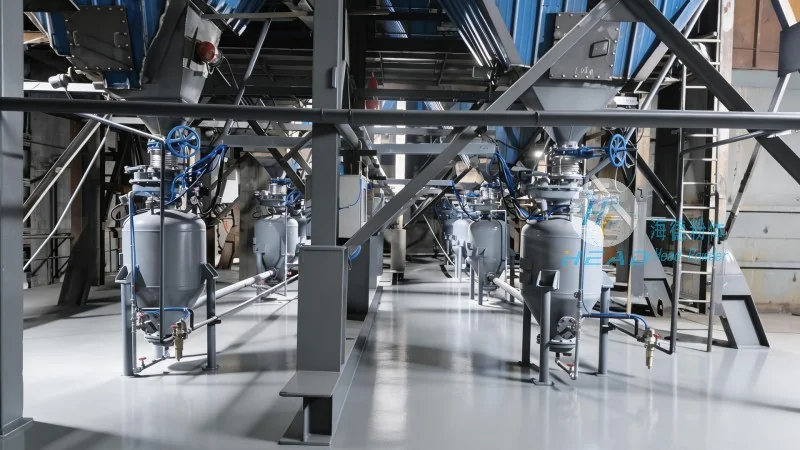
The effectiveness of a perlite pneumatic conveying system is best demonstrated through real-world applications. HeadPowder has successfully implemented systems in various industries, including construction materials, chemical processing, and food processing. For instance, in a construction materials plant, a dilute phase system was designed to transport perlite from storage silos to production lines, achieving a throughput of 50 tonnes per hour with minimal energy consumption. In another case, a dense phase system was used to transport fine perlite to a packaging facility, ensuring precise dosing and preventing product degradation. These case studies highlight the versatility and efficiency of well-designed perlite pneumatic conveying systems.
Conclusion: The Importance of Professional Design
Designing a reasonable perlite pneumatic conveying system requires a combination of technical expertise, material knowledge, and practical experience. Shandong HeadPowder Engineering Co., Ltd., with its roots in Shandong, China, offers comprehensive solutions tailored to the unique needs of each client. By following the steps outlined above and leveraging the company's expertise, industrial operations can achieve efficient, reliable, and cost-effective material transport. The key takeaway is that a well-engineered system not only meets current operational requirements but also adapts to future growth and technological advancements.