

How to Design a Reasonable Aluminum Turnings Pneumatic Conveying System Plan?
When it comes to efficiently handling aluminum turnings, the design of a pneumatic conveying system is a critical factor that directly impacts operational efficiency, material integrity, and overall system reliability. For businesses in the metal processing industry, particularly those dealing with aluminum turnings, selecting and implementing a well-designed pneumatic conveying system can significantly enhance production throughput while minimizing downtime and maintenance costs. This article provides a comprehensive guide on how to design a reasonable aluminum turnings pneumatic conveying system, focusing on key considerations, system components, and practical implementation strategies.
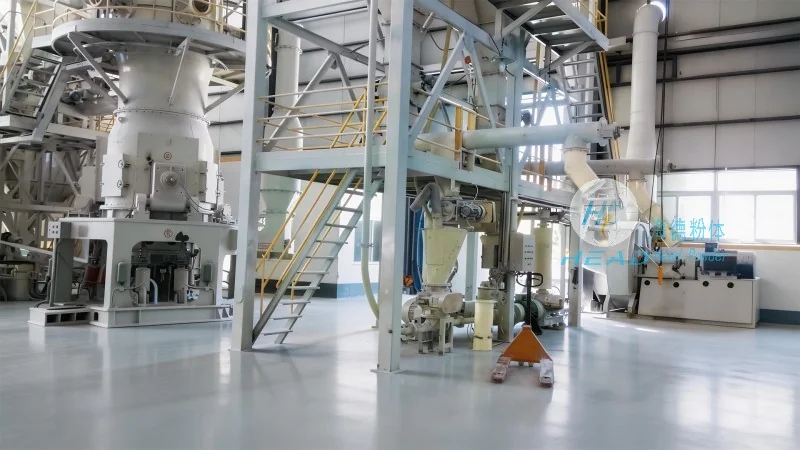
Understanding the Core Requirements for Aluminum Turnings Pneumatic Conveying
Before diving into the design specifics, it's essential to understand the unique characteristics of aluminum turnings that influence system design. Aluminum turnings are typically lightweight, with a high surface area and a tendency to generate dust during handling. These properties mean that the conveying system must be designed to handle fine particles, prevent material degradation, and ensure efficient separation from the conveying medium. Additionally, aluminum is a reactive metal, making it susceptible to oxidation if not handled in a controlled environment. Therefore, the system design must incorporate features that minimize exposure to air and maintain a stable temperature to preserve material quality.
Key Design Considerations for Pneumatic Conveying Systems
Several critical factors must be considered when designing a pneumatic conveying system for aluminum turnings. The first is the type of system: positive pressure (pressure) or negative pressure (vacuum). Positive pressure systems are generally more suitable for long-distance or high-capacity applications, as they use a blower to push air and material through the system. Negative pressure systems, on the other hand, use a vacuum to pull material into the system, which is often preferred for shorter distances or when handling dust-sensitive materials. For aluminum turnings, a positive pressure system is often recommended due to its ability to handle larger volumes and maintain consistent flow rates.

Another crucial consideration is the selection of the conveying medium. Air is the most common medium, but the choice of air quality and pressure is vital. High-pressure air can improve conveying efficiency but may increase energy consumption and system complexity. The system must also include proper filtration to remove dust from the air, as aluminum dust can be hazardous to health and equipment. Additionally, the design must account for the potential for material buildup in the system, which can lead to blockages and reduced efficiency. Regular cleaning and maintenance of the system components are essential to prevent this issue.
System Components and Their Function in Aluminum Turnings Conveying
A pneumatic conveying system for aluminum turnings typically consists of several key components, each playing a vital role in the overall operation. The primary components include a material feeder, a conveying line (pipe), a blower or vacuum pump, a separation unit, and a collection system. The material feeder is responsible for introducing aluminum turnings into the system at a controlled rate, ensuring consistent flow. The conveying line, usually made of stainless steel or other corrosion-resistant materials, transports the material and air mixture. The blower or vacuum pump provides the necessary pressure or vacuum to move the material through the system. The separation unit, such as a cyclone or filter, separates the aluminum turnings from the air, allowing the material to be collected and the air to be recycled or vented.
For aluminum turnings, the material feeder must be designed to handle the lightweight and fine nature of the material. A screw feeder or rotary valve is often used to ensure a steady flow without causing material degradation. The conveying line must be sized appropriately to maintain the correct air-to-material ratio, which is critical for efficient conveying. The blower should be selected based on the required flow rate and pressure, with considerations for energy efficiency and noise levels. The separation unit must be capable of handling fine particles and preventing dust emissions, which is essential for compliance with environmental regulations and worker safety.
Designing for Efficiency and Reliability: Practical Tips
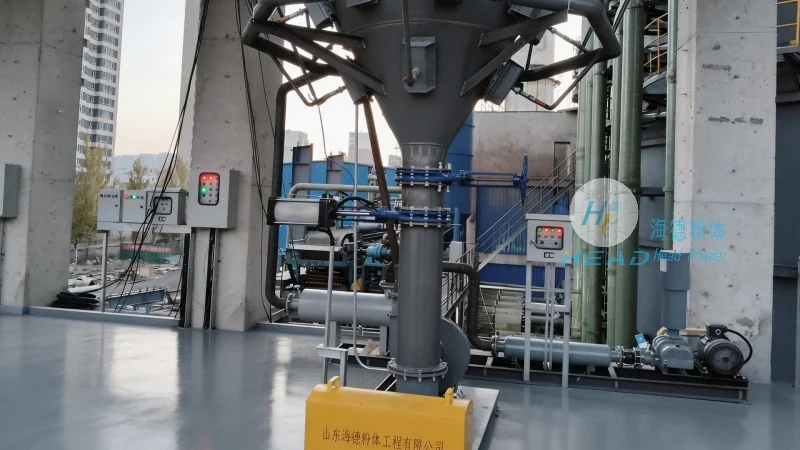
Designing a pneumatic conveying system for aluminum turnings requires a balance between efficiency, reliability, and cost-effectiveness. Practical tips for achieving this balance include conducting a thorough material analysis to understand the specific properties of the aluminum turnings being handled. This analysis should include particle size distribution, moisture content, and any potential contaminants. Based on this analysis, the system can be tailored to meet the specific needs of the application. Additionally, it's important to consider the system's scalability, allowing for future expansion as production needs grow.
Proper system sizing is another critical aspect. Under-sizing the system can lead to reduced conveying efficiency and increased maintenance, while over-sizing can result in unnecessary energy consumption and higher costs. A professional engineering approach, such as that offered by Shandong HeadPowder Engineering Co., Ltd., can help optimize the system design to achieve the best balance between performance and cost. The company specializes in designing and manufacturing custom pneumatic conveying systems tailored to the unique requirements of aluminum turnings processing, ensuring that the system meets the highest standards of efficiency and reliability.
Regular maintenance and monitoring are also essential to ensure the long-term performance of the system. This includes checking for wear and tear on components, cleaning the system to prevent buildup, and monitoring air pressure and flow rates. By implementing these practices, businesses can maximize the lifespan of their pneumatic conveying system and minimize downtime. Additionally, investing in high-quality components from reputable manufacturers, such as Shandong HeadPowder Engineering Co., Ltd., can help ensure the system operates at peak performance and reduces the risk of unexpected failures.