

How to Design a Reasonable Zinc Calcine Pneumatic Conveying System Plan
When it comes to designing an efficient and reliable pneumatic conveying system for zinc calcine, a thorough understanding of the process requirements and material characteristics is essential. The system must be tailored to handle the specific properties of zinc calcine, such as its particle size, moisture content, and flowability, while ensuring minimal degradation and maximum throughput. This article outlines key considerations and steps for designing a reasonable zinc calcine pneumatic conveying system, presented by Shandong HeadPowder Engineering Co., Ltd., a leading provider in the field.
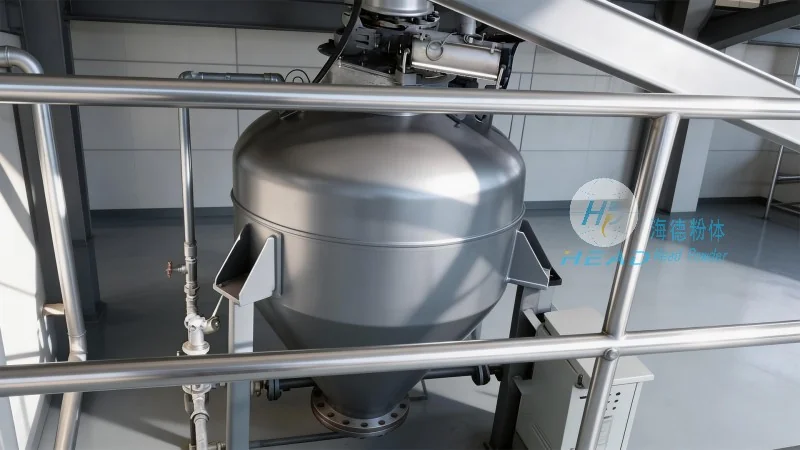
Understanding the Material Properties of Zinc Calcine
Zinc calcine, the intermediate product from the zinc smelting process, has distinct physical and chemical properties that influence the design of a pneumatic conveying system. The material typically consists of fine particles with varying sizes, often ranging from 0.1 to 5 millimeters, and may contain moisture or adhering dust. These characteristics affect the air velocity required for stable transport, the risk of particle segregation, and the potential for system blockages. Accurate characterization of zinc calcine, including its bulk density, angle of repose, and abrasiveness, is the first step in selecting the appropriate conveying method and equipment.
Choosing the Right Pneumatic Conveying System Type
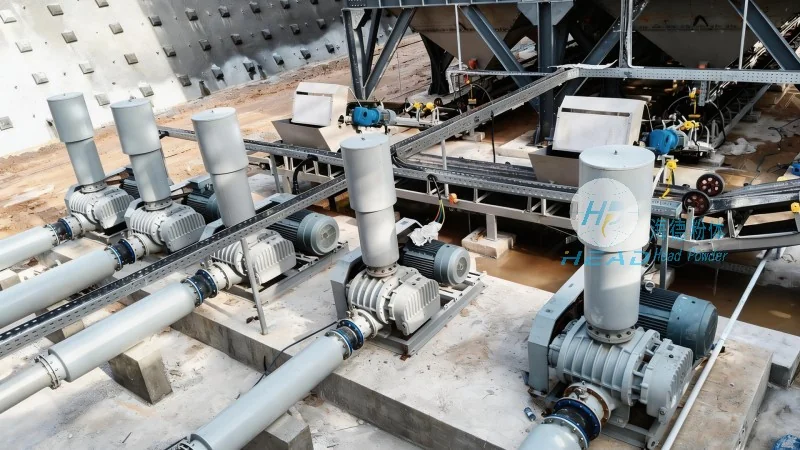
There are two primary types of pneumatic conveying systems: positive pressure and negative pressure. The choice between them depends on the application requirements, including the distance to be covered, the volume of material to be transported, and the need for environmental control. Positive pressure systems use a blower to force air and material through the pipeline, making them suitable for long-distance and high-volume transport. Negative pressure systems, on the other hand, use a vacuum to draw material into the system, which is ideal for short-distance and low-volume applications or when dust containment is critical. For zinc calcine, which is often handled in large quantities over moderate distances, a positive pressure system is commonly preferred due to its efficiency and ability to handle abrasive materials.
Key Design Considerations for System Components
Several critical components must be carefully selected and sized to ensure the successful operation of a zinc calcine pneumatic conveying system. The selection of the blower or vacuum pump is paramount, as it must provide sufficient air volume and pressure to maintain the material in suspension. The pipeline design, including diameter, length, and bends, is also crucial. Larger diameter pipes reduce pressure drop but increase cost, while smaller diameters require higher air velocities and may lead to higher energy consumption. The number and type of bends, as well as the use of straighteners or filters, are essential to minimize pressure losses and prevent particle deposition. Additionally, the material of construction for all components must be selected to withstand the abrasive nature of zinc calcine, typically using stainless steel or other corrosion-resistant materials.
System Layout and Integration with Process Flow
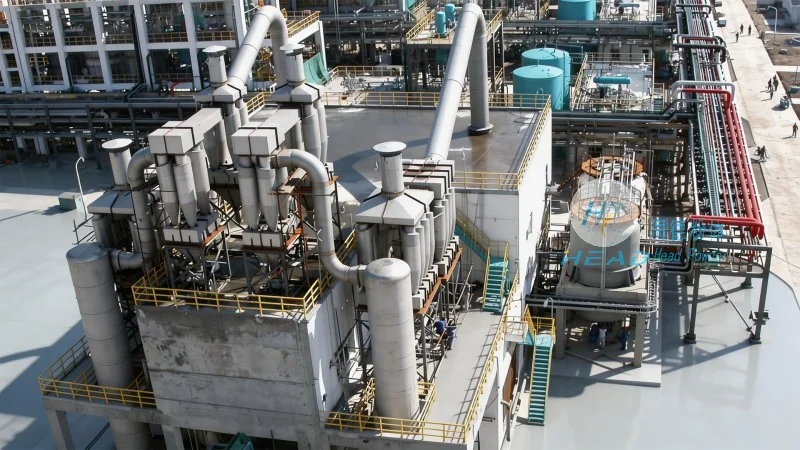
The layout of the pneumatic conveying system must be integrated seamlessly with the existing zinc smelting process flow. This includes positioning the feed hopper, discharge point, and control valves to optimize material flow and minimize downtime. The system should be designed to allow for easy maintenance and cleaning, as zinc calcine can be challenging to handle due to its fine particle size and potential for caking. Proper sealing of all connections and the use of dust collection systems are necessary to comply with environmental regulations and maintain a safe working environment. Shandong HeadPowder Engineering Co., Ltd. specializes in designing customized system layouts that align with the client's specific process requirements, ensuring optimal performance and longevity.
Energy Efficiency and Maintenance Planning
Designing a pneumatic conveying system that is energy-efficient and easy to maintain is vital for long-term operational success. The selection of the blower size and type can significantly impact energy consumption, and modern systems often incorporate variable frequency drives to adjust air flow as needed. Regular maintenance, including cleaning of filters, checking for wear on components, and monitoring pressure drops, is essential to prevent system failures and extend the lifespan of equipment. Shandong HeadPowder Engineering Co., Ltd. provides comprehensive maintenance plans and support services to ensure that the system operates at peak efficiency throughout its service life.
Conclusion
Designing a reasonable zinc calcine pneumatic conveying system requires a holistic approach that considers material properties, system type, component selection, and integration with the overall process. By carefully evaluating these factors and leveraging the expertise of companies like Shandong HeadPowder Engineering Co., Ltd., industries can achieve efficient, reliable, and cost-effective material transport solutions. The goal is to create a system that not only meets current operational needs but also adapts to future process changes, ensuring long-term success in the zinc smelting industry.