Công ty TNHH Kỹ thuật Headpowder Sơn Đông chuyên vận chuyển khí nén bột và hạt. Nhờ thế mạnh hợp tác doanh nghiệp‑trường‑viện, chúng tôi cung cấp giải pháp vận chuyển kín, không bụi, độ chính xác cao.
For companies in the battery material industry, especially those dealing with trinary positive electrode materials, the design of an efficient and reliable pneumatic conveying system is crucial. This article will introduce the key considerations and steps for designing a rational trinary positive electrode material pneumatic conveying system, with a focus on the expertise of Shandong HeadPowder Engineering Co., Ltd., a leading provider in this field.
Understanding the Core Requirements of Trinary Positive Electrode Material Handling
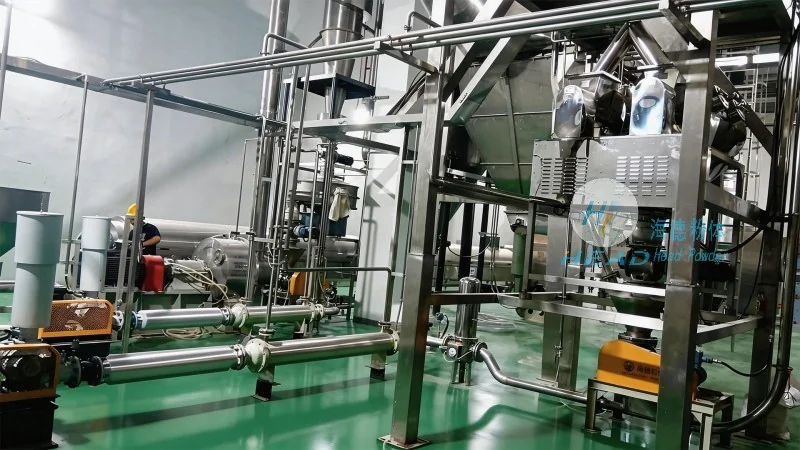
Trinary positive electrode materials, typically composed of nickel, cobalt, and manganese or other elements, have unique physical and chemical properties that affect the design of pneumatic conveying systems. These materials often exhibit fine particle sizes, high moisture content, or sensitivity to moisture and oxygen, which require specialized equipment and system configurations to ensure stable and efficient transport. The first step in designing a pneumatic conveying system is to thoroughly understand the material characteristics, such as particle size distribution, bulk density, flowability, and hygroscopicity. This information is essential for selecting the appropriate conveying method (e.g., dilute-phase or dense-phase), determining the required air velocity, and ensuring the system can handle the material's specific challenges without degradation or blockage.
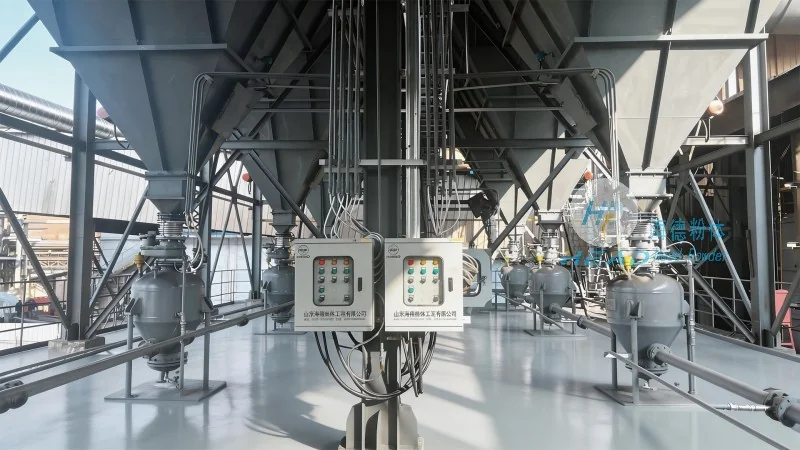
Key Design Factors for a Trinary Positive Electrode Material Pneumatic Conveying System
Several critical factors must be considered when designing a pneumatic conveying system for trinary positive electrode materials. These include the system's capacity and flow rate requirements, the distance and layout of the conveying line, the need for material separation or classification, and the safety measures to prevent dust explosions or material contamination. The choice between dilute-phase and dense-phase conveying is a primary decision. Dilute-phase systems use high air velocities to suspend particles in the air stream, suitable for short distances and low to medium capacity, while dense-phase systems use lower air velocities and higher material-to-air ratios, ideal for longer distances, higher capacities, and materials that are prone to caking or degradation. For trinary positive electrode materials, which often require gentle handling to maintain particle integrity, dense-phase conveying is often preferred as it reduces particle impact and friction, minimizing the risk of agglomeration or loss of active material.
Equipment Selection and System Configuration
Shandong HeadPowder Engineering Co., Ltd. specializes in providing customized pneumatic conveying solutions tailored to the specific needs of trinary positive electrode material manufacturers. The company's design process begins with a comprehensive assessment of the client's production scale, material properties, and operational environment. Based on this assessment, the appropriate equipment is selected, including feeders, airlocks, conveying pipes, and receivers. For trinary positive electrode materials, the company typically recommends using high-quality, corrosion-resistant materials for the conveying components, such as stainless steel or special alloys, to prevent material contamination and ensure long-term system performance. The system configuration may also include additional features like material drying or conditioning units to adjust the material's moisture content before conveying, or dust collection systems to comply with environmental regulations and maintain a clean working environment.
Ensuring System Reliability and Safety
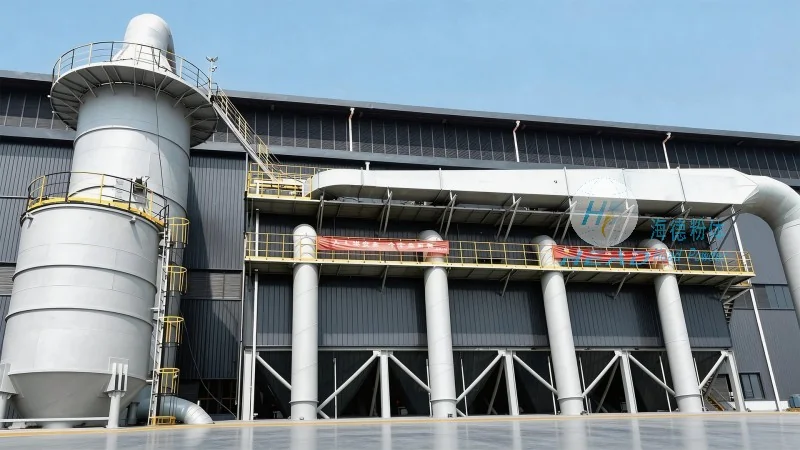
Reliability and safety are paramount when handling trinary positive electrode materials, which are often used in high-value battery applications. A well-designed pneumatic conveying system must minimize downtime and prevent material loss or contamination. This involves implementing robust control systems that monitor pressure, flow, and temperature in real-time, and automatically adjust system parameters to maintain optimal operation. Safety measures are also critical, as trinary positive electrode materials can be combustible under certain conditions. The system should include explosion-proof components, such as spark arrestors and pressure relief valves, and be equipped with dust suppression systems to prevent dust accumulation and reduce the risk of fire or explosion. Additionally, regular maintenance and inspection schedules are essential to ensure the system remains in good working condition and meets all safety standards.
Customization and After-Sales Support from HeadPowder
Shandong HeadPowder Engineering Co., Ltd. offers comprehensive after-sales support to ensure the long-term performance and reliability of the pneumatic conveying systems it designs. The company provides detailed installation and commissioning services, ensuring that the system is properly set up and tested before delivery. After the system is operational, the company offers regular maintenance and technical support to address any issues that may arise. This includes spare parts supply, system upgrades, and training for the client's staff on how to operate and maintain the equipment effectively. By providing such comprehensive support, HeadPowder aims to build long-term partnerships with its clients and ensure that the trinary positive electrode material pneumatic conveying systems it designs continue to operate efficiently and safely for years to come.

 Shandong Headpowder Engineering Co., Ltd.
 156-6277-7102(Quản lý Trương)
  0531-83386006
  Thành phố Tế Nam, Tỉnh Sơn Đông, Trung Quốc
Điện thoại
WeChatTư vấn
Lên đầu