

How to Design a Reasonable Polypropylene Resin Powder Pneumatic Conveying System Plan?
When designing a pneumatic conveying system for polypropylene resin powder, several critical factors must be considered to ensure efficiency, reliability, and cost-effectiveness. The process involves selecting appropriate equipment, determining the system layout, and ensuring compliance with safety and operational standards. This article outlines key considerations and steps for developing a well-structured plan tailored to the specific needs of polypropylene resin powder handling.
Key Design Considerations for Polypropylene Resin Powder Pneumatic Conveying Systems
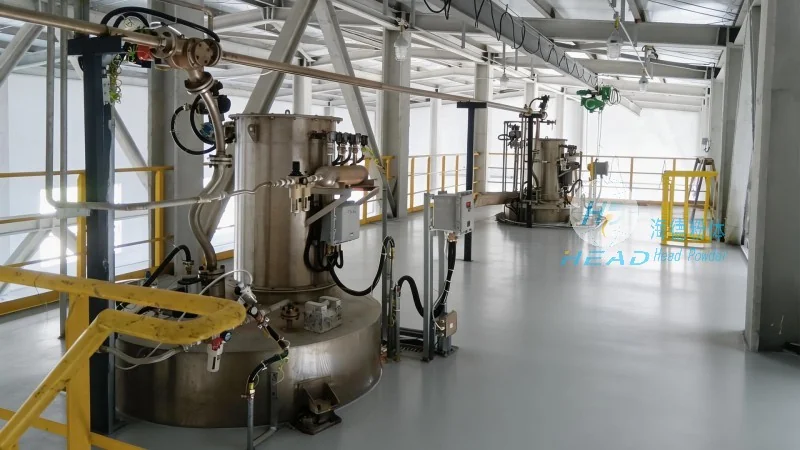
Designing a pneumatic conveying system for polypropylene resin powder requires a thorough understanding of the material's properties, such as particle size, moisture content, and flow characteristics. These factors directly impact the system's performance and the selection of components like hoppers, feeders, and pipelines. For instance, polypropylene resin powders are typically free-flowing but can become cohesive under certain conditions, necessitating the use of specialized feeding mechanisms to prevent blockages. The design must also account for the material's density and specific gravity, which influence the air velocity required for effective transport. Additionally, moisture content is a critical variable, as excessive moisture can lead to clumping and reduced conveying efficiency. Proper moisture control, often through drying or dehumidification, is essential to maintain system performance and prevent equipment damage.
System Components and Their Roles in Polypropylene Resin Powder Conveying
The core components of a pneumatic conveying system for polypropylene resin powder include the hopper, feeder, pipeline, and receiver. Each component plays a vital role in the overall operation. The hopper serves as the storage vessel, providing a consistent feed to the system. It must be designed to minimize material degradation and ensure easy access for maintenance. The feeder, typically a rotary valve or screw feeder, regulates the flow of resin powder into the pipeline. This component must handle the material's flow characteristics without causing blockages or uneven feeding. The pipeline system is responsible for transporting the powder through the air stream. The choice of pipeline material, such as stainless steel or plastic, depends on the material's compatibility and the system's operating conditions. Stainless steel is often preferred for its corrosion resistance and durability, especially when dealing with polypropylene resin powders that may have acidic or alkaline properties. The receiver is the final component, where the conveyed powder is deposited. It must be designed to prevent dust emissions and ensure easy discharge of the material.
Selection of Conveying Methods and Air Velocity
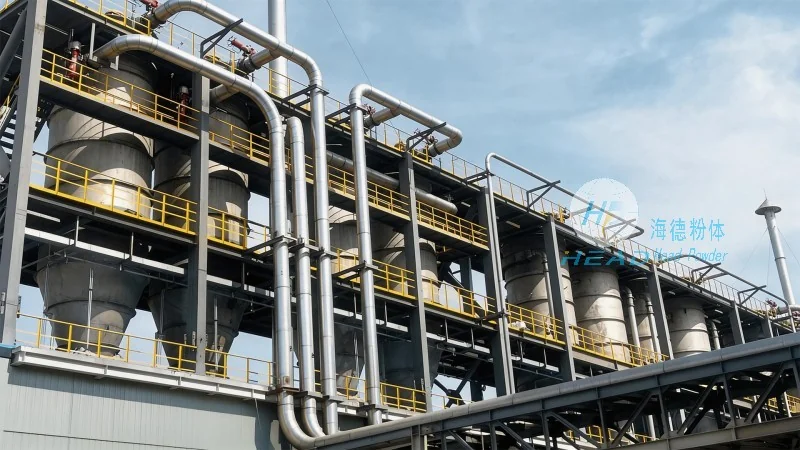
Two primary conveying methods are commonly used for polypropylene resin powder: pressure and vacuum systems. The choice between these methods depends on the system's layout, distance, and material characteristics. Pressure systems use compressed air to push the powder through the pipeline, while vacuum systems use suction to draw the material. For polypropylene resin powder, pressure systems are often more suitable due to their ability to handle longer distances and higher material loads. The air velocity within the pipeline is a critical parameter, as it must be sufficient to keep the powder suspended but not so high as to cause excessive wear on the pipeline or components. The optimal air velocity is typically determined through calculations based on the material's properties and the system's design. For example, a typical air velocity for polypropylene resin powder in a pressure system ranges from 20 to 30 meters per second, ensuring efficient transport while minimizing energy consumption.
System Layout and Integration with Existing Facilities
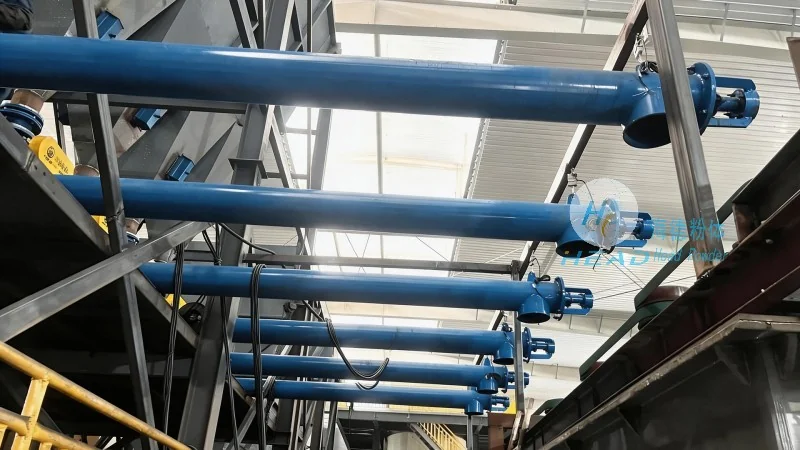
The layout of the pneumatic conveying system must be carefully planned to integrate with existing production facilities. This includes considering the location of the hopper, feeder, and receiver relative to the processing equipment. The system should minimize the number of bends and changes in direction to reduce pressure losses and prevent material accumulation. Additionally, the layout must account for safety considerations, such as dust containment and explosion prevention. Proper ventilation and dust collection systems are essential to maintain a safe working environment. The integration process involves coordinating with the facility's design and operational team to ensure that the conveying system complements existing processes without causing disruptions. This may include adjusting the height of the hopper or the position of the receiver to align with the production line's workflow.
Material Handling and Safety Measures
Handling polypropylene resin powder requires adherence to strict safety measures to prevent dust explosions and ensure worker safety. The system must be designed with explosion-proof components, such as spark-proof motors and explosion-proof hoppers. Dust collection systems, including bag filters or cartridge filters, are used to capture any airborne particles and prevent their release into the environment. Regular maintenance and cleaning of the system are crucial to prevent dust buildup, which can increase the risk of explosions. Additionally, the system should include safety interlocks to stop the conveying process in case of emergencies, such as a blockage or pressure surge. Training for operators on proper system operation and emergency procedures is also essential to ensure safe and efficient operation.
Energy Efficiency and Maintenance Considerations
Designing an energy-efficient pneumatic conveying system for polypropylene resin powder involves optimizing the air velocity and system pressure. Higher air velocities increase energy consumption, so it is important to find the optimal balance between conveying efficiency and energy use. Regular maintenance of the system components, such as cleaning filters and checking for leaks, helps maintain energy efficiency and prolong the system's lifespan. The system should also include monitoring devices to track performance metrics, such as pressure and flow rates, allowing for timely adjustments to maintain optimal operation. Proper maintenance schedules, including routine inspections and component replacements, are essential to prevent breakdowns and ensure consistent performance. By focusing on energy efficiency and proactive maintenance, the system can operate cost-effectively over its lifespan.