Công ty TNHH Kỹ thuật Headpowder Sơn Đông chuyên vận chuyển khí nén bột và hạt. Nhờ thế mạnh hợp tác doanh nghiệp‑trường‑viện, chúng tôi cung cấp giải pháp vận chuyển kín, không bụi, độ chính xác cao.
For industrial facilities processing pyrolysis carbon, selecting an appropriate pneumatic conveying system is crucial to ensure efficient material handling, minimize downtime, and maintain product quality. Pyrolysis carbon, derived from the thermal decomposition of organic materials, often presents unique challenges in terms of particle size, moisture content, and abrasive properties. A well-designed pneumatic conveying system can effectively address these challenges while optimizing operational efficiency and safety.
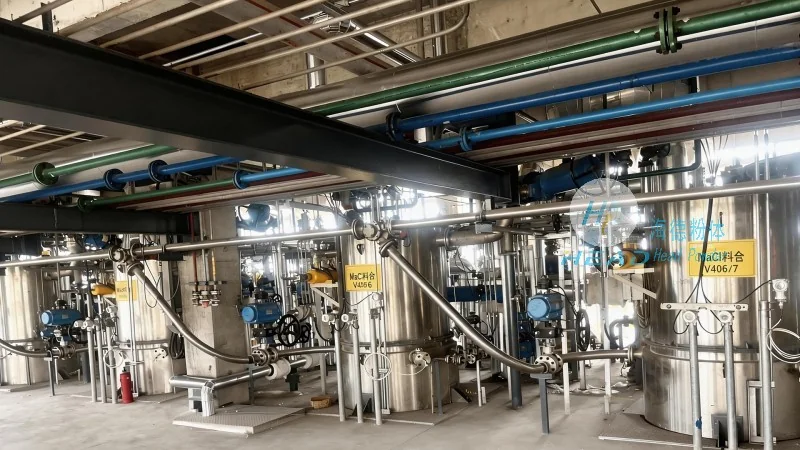
Understanding the Importance of Pneumatic Conveying for Pyrolysis Carbon
Pyrolysis carbon, also known as biochar or charcoal from pyrolysis processes, is a high-carbon material with applications in agriculture, water treatment, and industrial processes. Its handling requires specialized equipment due to its fine particle size and potential for dust generation. Pneumatic conveying systems offer a non-contact method of transporting these materials, reducing wear on equipment and minimizing contamination risks. This approach is particularly beneficial in maintaining the purity of pyrolysis carbon, which is critical for downstream applications.
Key Factors to Consider When Selecting a Pneumatic Conveying System
When choosing a pneumatic conveying system for pyrolysis carbon, several key factors must be evaluated to ensure optimal performance. The first consideration is the material's physical properties, including particle size distribution, bulk density, and moisture content. These characteristics influence the selection of system type—such as positive pressure, negative pressure, or mixed pressure systems. For example, fine pyrolysis carbon particles may require a positive pressure system with a high-pressure blower to maintain flow, while larger particles might benefit from a negative pressure system with a vacuum pump.
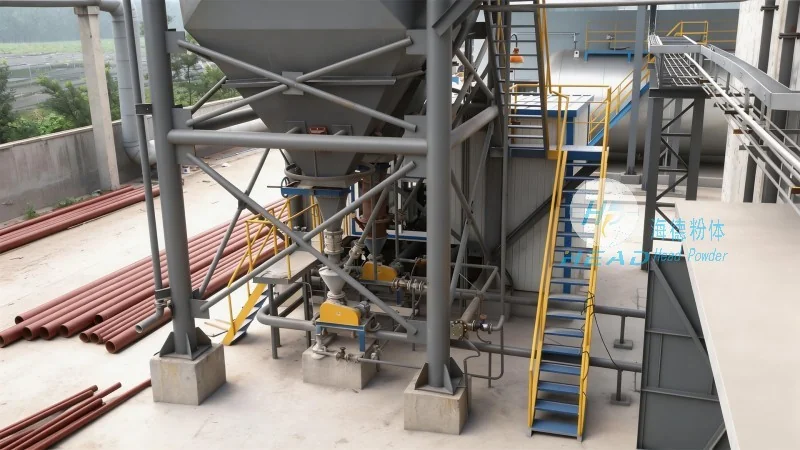
Another critical factor is the system's capacity and throughput requirements. The conveying distance and number of transfer points also play a significant role in system design. A system designed for short distances with a few transfer points may use a simple venturi or rotary airlock, whereas long-distance or complex layouts may necessitate more advanced systems like dilute-phase or dense-phase conveying. Additionally, the need for product containment and dust control is essential, especially in facilities where air quality regulations are stringent. Companies like Shandong HeadPowder Engineering Co., Ltd., based in Shandong, China, specialize in customizing pneumatic conveying solutions tailored to these specific requirements.
Types of Pneumatic Conveying Systems for Pyrolysis Carbon
There are several types of pneumatic conveying systems suitable for pyrolysis carbon handling, each with distinct advantages and applications. The most common types include:
Positive Pressure Systems: These systems use a blower or compressor to force air and material through the pipeline. They are ideal for short to medium distances and are effective for handling fine, dry materials like pyrolysis carbon. Positive pressure systems offer high flow rates and are suitable for applications requiring high throughput.
Negative Pressure (Vacuum) Systems: In these systems, a vacuum pump creates a pressure differential that draws material into the pipeline. They are commonly used for long-distance conveying or when material needs to be collected from multiple points. Negative pressure systems are advantageous for handling dusty or potentially hazardous materials, as they contain the material within the system.
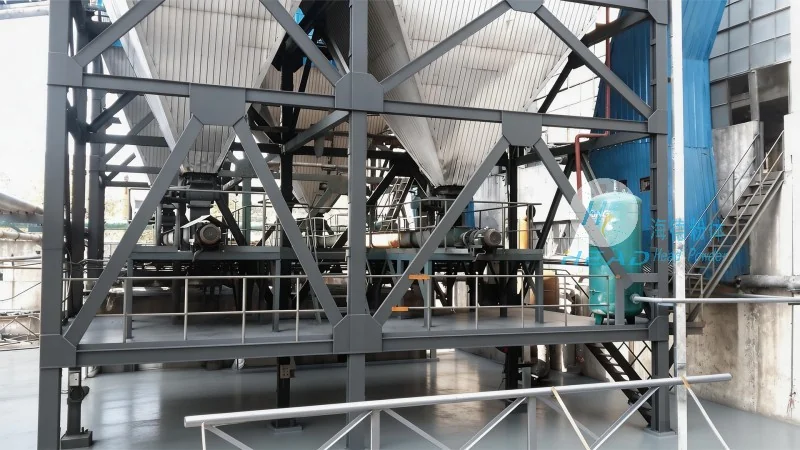
Mixed Pressure Systems: Combining elements of both positive and negative pressure systems, mixed pressure systems use a combination of blowers and vacuum pumps to optimize conveying efficiency. This approach is particularly useful for complex layouts with varying distances and transfer points, allowing for flexible and efficient material transport.
Each system type has its own set of advantages and limitations, and the choice depends on the specific operational conditions and material characteristics. For instance, positive pressure systems are generally more suitable for dry, fine materials like pyrolysis carbon, as they can maintain consistent flow without the risk of material bridging or clogging that may occur in vacuum systems.
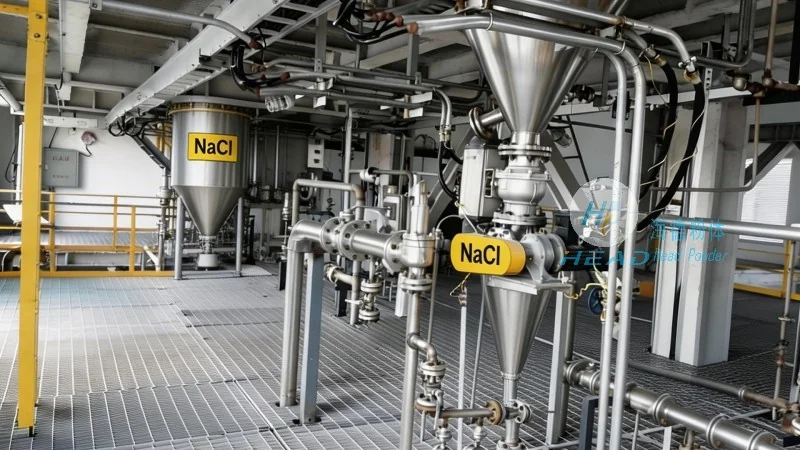
Custom Solutions from Shandong HeadPowder Engineering Co., Ltd.
Shandong HeadPowder Engineering Co., Ltd., a leading provider of industrial material handling solutions, offers tailored pneumatic conveying systems for pyrolysis carbon applications. With expertise in designing and manufacturing custom systems, the company considers all critical factors, including material properties, conveying distance, and operational requirements. Their solutions are engineered to maximize efficiency, minimize maintenance, and ensure compliance with industry standards and regulations.
The company's team of engineers works closely with clients to understand their specific needs and develop a system that meets both current and future requirements. By leveraging advanced technology and materials, Shandong HeadPowder ensures that their pneumatic conveying systems are durable, reliable, and capable of handling the unique challenges posed by pyrolysis carbon. Whether for small-scale pilot plants or large industrial facilities, their customized solutions provide a cost-effective and efficient way to transport pyrolysis carbon while maintaining product integrity.
By selecting the right pneumatic conveying system, industrial facilities can enhance their pyrolysis carbon handling processes, reduce operational costs, and improve overall productivity. The expertise of companies like Shandong HeadPowder Engineering Co., Ltd. is invaluable in navigating the complexities of material handling and ensuring that the chosen system aligns with the facility's long-term goals and operational needs.

 Shandong Headpowder Engineering Co., Ltd.
 156-6277-7102(Quản lý Trương)
  0531-83386006
  Thành phố Tế Nam, Tỉnh Sơn Đông, Trung Quốc
Điện thoại
WeChatTư vấn
Lên đầu