

Types of Tri-Metal Material Conveying Methods? Introduction to HeadPowder's Tri-Metal Material Pneumatic Conveying Systems
Tri-metal materials, such as lithium cobalt oxide (LCO), lithium iron phosphate (LFP), and lithium nickel manganese cobalt oxide (NMC), are critical components in the production of lithium-ion batteries. The efficient and safe transportation of these materials is essential for maintaining production line stability and ensuring product quality. Various conveying methods are employed in the industry, each with its own advantages and limitations. This article explores the different types of tri-metal material conveying methods and highlights the advantages of HeadPowder's pneumatic conveying systems.
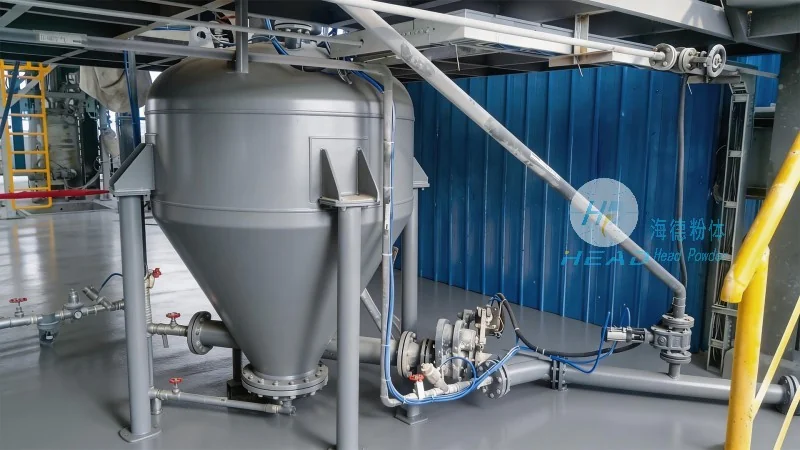
About HeadPowder: A Leading Provider of Material Handling Solutions
HeadPowder, or Shandong HeadPowder Engineering Co., Ltd., is a professional manufacturer and supplier specializing in material handling equipment, particularly pneumatic conveying systems. With a strong focus on innovation and customer satisfaction, HeadPowder has established itself as a trusted partner in the battery materials processing industry. The company's headquarters is located in Shandong, China, where it conducts research, development, and manufacturing of high-quality conveying solutions tailored to the needs of battery manufacturers.
Pneumatic Conveying: The Preferred Method for Tri-Metal Material Transport
Among the various conveying methods available, pneumatic conveying stands out as a highly effective and versatile solution for transporting tri-metal materials. Unlike traditional mechanical conveying systems, which may pose challenges such as material degradation, contamination, or blockages, pneumatic conveying uses compressed air to move materials through a closed pipeline system. This method offers several key advantages, including high efficiency, low maintenance requirements, and the ability to handle a wide range of material types and particle sizes.
HeadPowder's pneumatic conveying systems are specifically designed to address the unique challenges associated with tri-metal materials. The systems utilize advanced technology to ensure minimal material loss, prevent contamination, and maintain consistent flow rates. By employing positive or negative pressure systems, HeadPowder's solutions can handle both dry and wet materials, making them suitable for various production stages, from raw material handling to final product packaging.
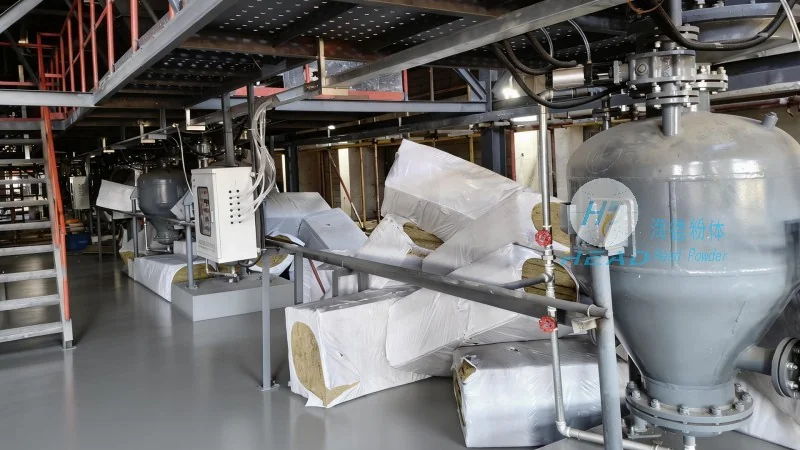
Comparison of Conveying Methods for Tri-Metal Materials
While pneumatic conveying is widely regarded as the most suitable method for tri-metal materials, other options like mechanical conveying (e.g., screw conveyors, belt conveyors) and vacuum conveying are also used in some applications. However, these methods often present significant drawbacks, such as increased risk of material degradation, higher maintenance costs, and limited ability to handle fine powders or abrasive materials. Mechanical conveyors, for instance, can cause friction and heat generation, which may affect the chemical properties of sensitive tri-metal powders. Vacuum conveyors, on the other hand, may struggle with long-distance transport or high material volumes, leading to reduced efficiency and increased energy consumption.

In contrast, HeadPowder's pneumatic conveying systems offer superior performance in terms of material handling efficiency, safety, and reliability. The systems are equipped with advanced control mechanisms that allow for precise regulation of air flow and material transport, ensuring consistent and stable operation. Additionally, the closed pipeline design minimizes exposure to external contaminants, maintaining the purity of the tri-metal materials throughout the conveying process.
Key Features of HeadPowder's Tri-Metal Material Pneumatic Conveying Systems
HeadPowder's pneumatic conveying systems are engineered with several key features that enhance their performance and reliability. These include:
Advanced Material Handling Technology: The systems utilize high-efficiency air pumps and precise control valves to ensure smooth and consistent material transport. This technology minimizes material degradation and maintains the integrity of the tri-metal powders.
Customizable System Design: HeadPowder offers tailored solutions based on the specific requirements of each client. Whether it's a small-scale laboratory setup or a large-scale industrial production line, the systems can be customized to meet the unique needs of the application.
Robust Construction and Durability: The conveying equipment is constructed from high-quality materials, such as stainless steel and corrosion-resistant alloys, to withstand the harsh conditions of tri-metal material processing. This ensures long-term reliability and minimal maintenance.
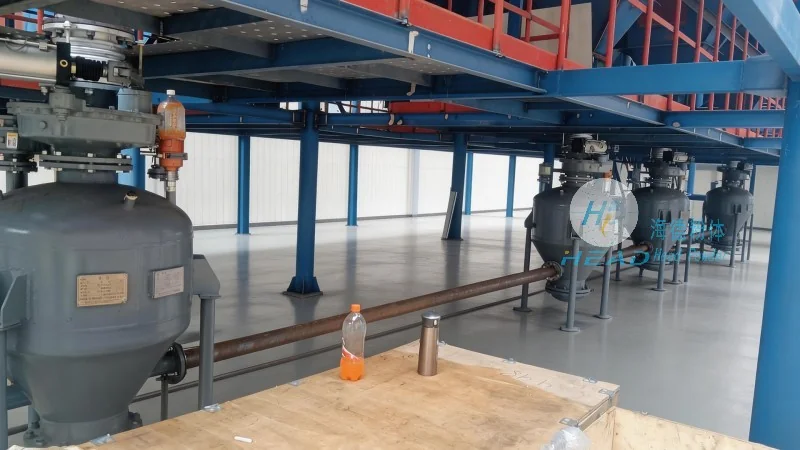
Integrated Safety Features: The systems are equipped with safety mechanisms, including pressure relief valves, overcurrent protection, and material flow monitoring, to prevent accidents and ensure safe operation.
These features make HeadPowder's pneumatic conveying systems the ideal choice for battery manufacturers seeking to optimize their tri-metal material handling processes.
Conclusion: Choosing the Right Conveying Solution for Tri-Metal Materials
When selecting a conveying method for tri-metal materials, it is crucial to consider factors such as material properties, production scale, and operational requirements. While various options are available, pneumatic conveying, particularly with advanced systems like those offered by HeadPowder, provides the most reliable and efficient solution. HeadPowder's expertise in material handling technology, combined with its commitment to quality and customer satisfaction, makes it a leading choice for battery manufacturers worldwide.