

What Are the Methods for Nitrile Rubber Conveyance? An Introduction to HeadPowder's Nitrile Rubber Pneumatic Conveying Systems
When it comes to handling nitrile rubber, selecting the right conveyance method is crucial for maintaining product quality and operational efficiency. Nitrile rubber, known for its excellent resistance to oil, fuel, and chemicals, is widely used in industrial applications, making effective and reliable transport solutions essential. This article explores the various methods available for nitrile rubber conveyance, with a focus on the advanced pneumatic conveying systems offered by Shandong HeadPowder Engineering Co., Ltd., commonly referred to as HeadPowder.
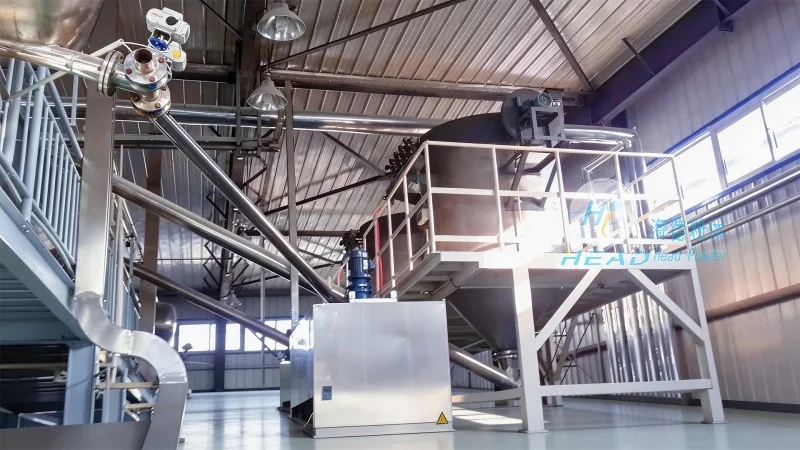
Understanding Nitrile Rubber and Conveyance Challenges
Nitrile rubber, or NBR, is a synthetic polymer that combines the properties of natural rubber and butadiene rubber. Its unique chemical composition makes it highly resistant to petroleum-based oils, solvents, and other aggressive substances, which is why it is a preferred material in automotive, aerospace, and manufacturing sectors. However, the material's properties also present challenges when it comes to transportation. Nitrile rubber can be abrasive, sticky, and prone to static buildup, which may affect traditional bulk material handling methods. Additionally, maintaining the purity of the rubber during transport is critical to avoid contamination from other materials or environmental factors.
HeadPowder's Pneumatic Conveying Solutions for Nitrile Rubber
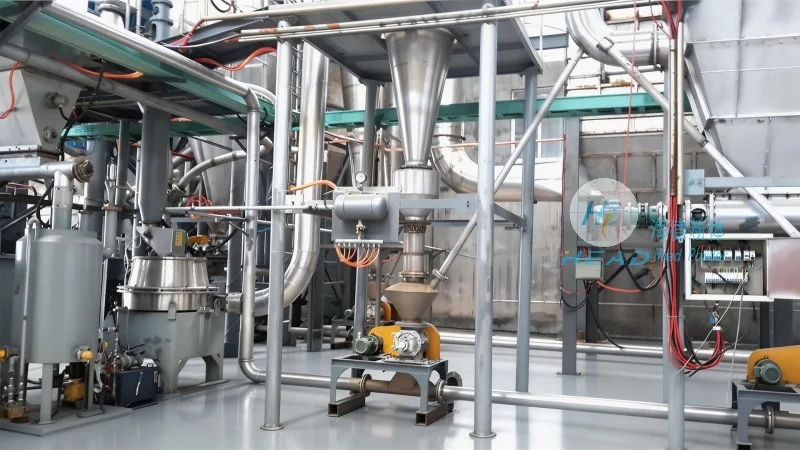
Shandong HeadPowder Engineering Co., Ltd., a leading provider of material handling systems, specializes in developing customized pneumatic conveying solutions tailored to the specific needs of nitrile rubber applications. The company's expertise lies in designing systems that address the unique challenges associated with nitrile rubber, ensuring efficient, clean, and safe transport from storage to processing areas. HeadPowder's pneumatic conveying systems are engineered to handle the material's abrasive nature and minimize the risk of product degradation during transport.
Key Features of HeadPowder's Nitrile Rubber Pneumatic Conveying Systems
HeadPowder's pneumatic conveying systems for nitrile rubber incorporate several key features that enhance performance and reliability. These systems typically utilize positive pressure or negative pressure (vacuum) to move the material through a network of pipes. The design includes high-quality, corrosion-resistant components to withstand the chemical exposure from nitrile rubber and its processing environment. The equipment is equipped with advanced control systems that allow for precise flow regulation, ensuring consistent material delivery to processing equipment. Additionally, the systems are designed to minimize product degradation by reducing friction and preventing exposure to air or moisture, which could affect the rubber's properties.
Customization and Application Flexibility
HeadPowder understands that nitrile rubber applications vary widely, from small-scale laboratory use to large-scale industrial production. Therefore, the company offers flexible and customizable pneumatic conveying solutions that can be adapted to different production volumes and operational requirements. Whether the need is for short-distance transport within a facility or long-distance transfer between buildings, HeadPowder's systems can be configured to meet the specific demands of the application. The company's engineering team works closely with clients to assess their unique requirements and develop a tailored solution that optimizes material handling efficiency while maintaining product integrity.
Benefits of Choosing HeadPowder's Nitrile Rubber Conveyance Systems
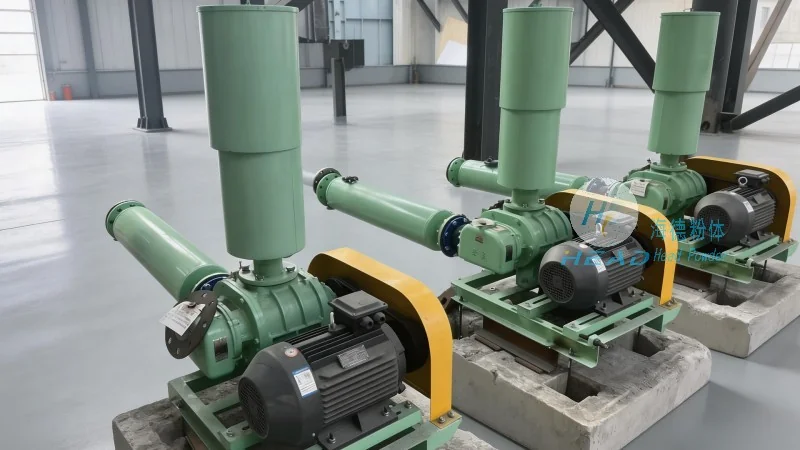
Implementing HeadPowder's pneumatic conveying systems for nitrile rubber offers several significant benefits. First, the systems provide a clean and hygienic method of transport, reducing the risk of contamination and ensuring that the rubber remains in its original state. This is particularly important in industries where product purity is critical, such as automotive and aerospace manufacturing. Second, the systems enhance operational efficiency by automating the material handling process, reducing labor costs and minimizing downtime. The precise control of material flow also helps in maintaining consistent production rates, improving overall productivity. Finally, the durability and reliability of HeadPowder's equipment ensure long-term performance, reducing maintenance costs and extending the lifespan of the conveying system.
Conclusion
In conclusion, the selection of an appropriate conveyance method for nitrile rubber is essential to ensure product quality and operational efficiency. Shandong HeadPowder Engineering Co., Ltd., through its specialized pneumatic conveying systems, provides effective solutions that address the unique challenges of handling nitrile rubber. By leveraging advanced engineering and customization, HeadPowder's systems offer a reliable and efficient means of transporting nitrile rubber, supporting the needs of various industrial applications. For businesses seeking to optimize their nitrile rubber handling processes, HeadPowder's expertise and tailored solutions offer a valuable partner in achieving efficient and high-quality material transport.