

Alumina Powder Conveyance Methods: What Are the Options?
When it comes to handling and transporting alumina powder, selecting the right conveyance method is crucial for maintaining product quality, ensuring operational efficiency, and minimizing material loss. As a leading provider in the field, Shandong HeadPowder Engineering Co., Ltd. specializes in offering tailored solutions for various alumina powder conveyance needs. This article explores the primary methods used for alumina powder transport, highlighting their applications and benefits.
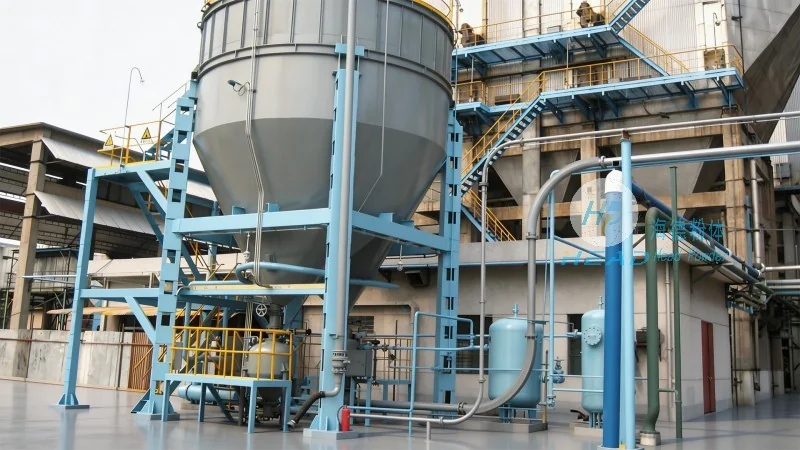
1. Pneumatic Conveying Systems
Pneumatic conveying is a widely used method for transporting alumina powder due to its ability to handle fine powders efficiently. This system utilizes compressed air or gas to move the powder through a pipeline. There are two main types: pressure and vacuum systems. Pressure systems are ideal for short-distance transport, while vacuum systems are better suited for longer distances or when material needs to be drawn from multiple sources. The choice between these depends on factors such as the distance between the source and destination, the volume of material to be conveyed, and the need for gentle handling to prevent particle degradation. Pneumatic conveying offers advantages like minimal product contamination, the ability to transport materials in a closed system, and flexibility in routing. However, it requires proper maintenance of air filters and pressure regulators to ensure consistent performance.
2. Screw Conveyors
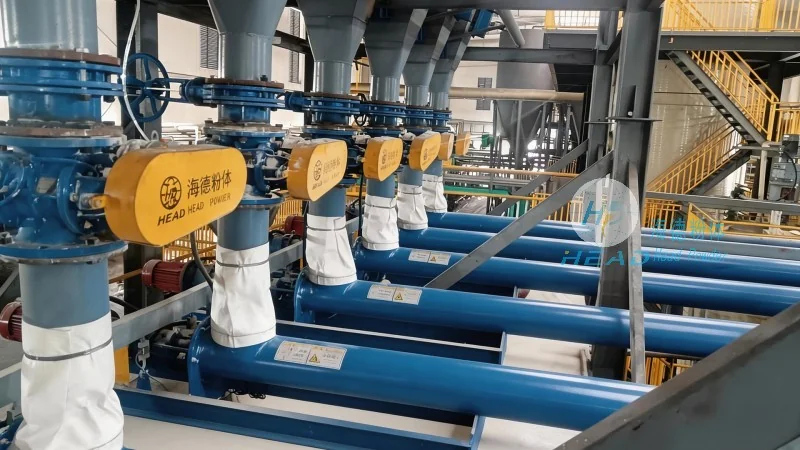
Screw conveyors, also known as auger conveyors, are another common option for alumina powder transport. These systems consist of a rotating screw (auger) inside a trough or tube that moves the powder along the length of the conveyor. Screw conveyors are particularly effective for horizontal or slightly inclined transport and are suitable for moderate to high volumes of material. They are often used in industrial settings where a continuous flow of alumina powder is required, such as in manufacturing processes or material handling operations. The design of the screw and the trough can be customized to accommodate different particle sizes and flow rates, ensuring optimal performance. Screw conveyors are relatively simple in construction and easy to maintain, making them a cost-effective solution for many applications. However, they may not be suitable for very fine or cohesive powders, as these can cause blockages or excessive wear on the screw and trough.
3. Belt Conveyors
Belt conveyors are versatile systems that can be used for alumina powder transport, especially in applications requiring long-distance or heavy-duty handling. These conveyors consist of a continuous belt that moves over rollers or idlers, carrying the powder from one point to another. Belt conveyors are ideal for transporting larger quantities of material and can be configured with multiple belts or inclined sections to handle vertical or steep inclines. They are commonly used in bulk material handling operations, such as in mining, construction, or industrial plants. The material is typically fed onto the belt at the loading point and moves along the path until it is discharged at the end. Belt conveyors offer high throughput and can be integrated with other equipment, such as feeders or screens, to enhance overall system efficiency. However, they require regular maintenance of the belt and rollers to prevent wear and ensure smooth operation. Additionally, they may not be suitable for very fine powders that could cause dust accumulation or belt slippage.
4. Bucket Elevators
Bucket elevators are a specialized type of conveyor system designed for vertical transport of alumina powder. These systems use a series of buckets attached to a chain or belt that moves vertically, lifting the powder from a lower to a higher level. Bucket elevators are particularly effective for handling bulk materials in vertical or inclined applications, such as in silos, storage tanks, or processing plants. They are capable of transporting large volumes of material at high speeds and are known for their durability and reliability. The buckets are designed to scoop the powder and carry it up the elevator, ensuring minimal spillage and product loss. Bucket elevators are often used in conjunction with other conveyance systems to create a complete material handling solution. They are particularly useful when space is limited and vertical transport is necessary. However, they require careful alignment and maintenance to prevent bucket damage or chain breakage, which could lead to operational issues.
5. Hydraulic Conveying
Hydraulic conveying systems use water or other liquids to transport alumina powder. This method is typically employed in applications where the powder needs to be moved over long distances or through complex routes. The powder is mixed with water to form a slurry, which is then pumped through pipelines. Hydraulic conveying is particularly effective for handling abrasive or corrosive materials, as the liquid provides a protective medium that reduces wear on the system components. The slurry can be transported over long distances with minimal pressure loss, making it suitable for large-scale industrial operations. However, hydraulic systems require additional equipment, such as pumps and filters, to maintain the slurry's consistency and prevent clogging. They also need regular cleaning and maintenance to remove solids from the pipelines and prevent blockages. Hydraulic conveying is less common for alumina powder due to the need for additional water management and potential environmental concerns, but it can be a viable option in specific industrial settings.
6. Vibrating Conveyors
Vibrating conveyors utilize vibration to move alumina powder along a trough or tube. These systems consist of a conveyor bed that is vibrated at a specific frequency and amplitude, causing the powder to move forward. Vibrating conveyors are suitable for handling a wide range of materials, including fine powders and granular materials. They are often used in applications where gentle handling is required to prevent particle degradation or agglomeration. The vibration can be adjusted to control the flow rate and prevent material buildup in the conveyor. Vibrating conveyors are relatively low-cost and easy to install, making them a popular choice for small to medium-sized operations. They are particularly effective for horizontal or slightly inclined transport and can be integrated with other equipment, such as screens or classifiers, to enhance material processing. However, they may not be suitable for very fine or cohesive powders, as these can cause excessive vibration or material bridging in the conveyor. Proper maintenance of the vibration mechanism is also essential to ensure consistent performance.
7. Air-Lift Conveyors
Air-lift conveyors, also known as pneumatic lift systems, are a specialized form of pneumatic conveying designed for vertical transport of alumina powder. These systems use compressed air to lift the powder from a lower level to a higher level through a vertical pipe. Air-lift conveyors are particularly effective for handling fine powders and can transport material over significant vertical distances with minimal energy consumption. The system consists of a vertical pipe with an inlet at the bottom and an outlet at the top, where the compressed air is introduced to create a pressure differential that lifts the powder. Air-lift conveyors are often used in industrial settings where vertical transport is necessary, such as in chemical plants or food processing facilities. They are known for their simplicity and low maintenance requirements, as they have fewer moving parts compared to other vertical conveyors. However, they have limitations in terms of the maximum height they can lift and the volume of material they can transport. The efficiency of an air-lift conveyor depends on the air pressure and the density of the powder, making it important to optimize these parameters for specific applications.