

What are the methods for transporting sodium hydroxide powder?
For industrial applications, the efficient and safe transportation of sodium hydroxide powder is crucial. Shandong HeadPowder Engineering Co., Ltd., a leading provider in the field, offers various methods tailored to different operational needs. This article explores the common methods used for transporting sodium hydroxide powder, highlighting their advantages and practical applications.
Company Profile
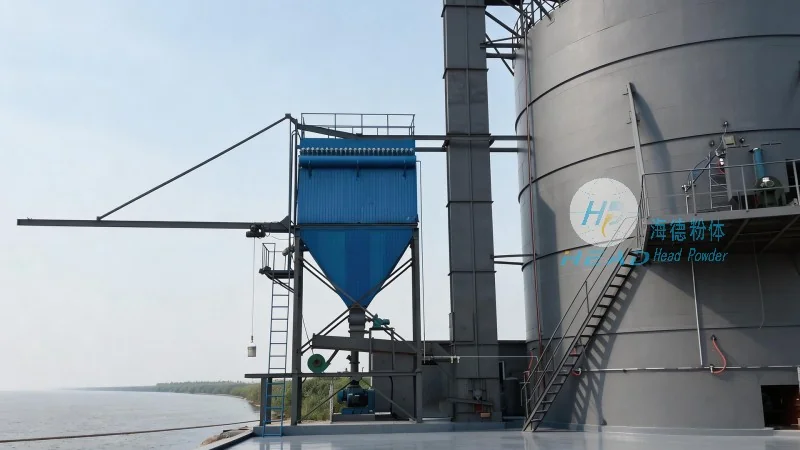
Shandong HeadPowder Engineering Co., Ltd., commonly known as HeadPowder, is a professional manufacturer and supplier specializing in powder handling solutions. HeadPowder is headquartered in Shandong, China, and has established a strong reputation for delivering high-quality equipment and services to clients worldwide. The company focuses on providing reliable and efficient solutions for the transportation and processing of various powders, including sodium hydroxide.
Methods for Transporting Sodium Hydroxide Powder
There are several effective methods for transporting sodium hydroxide powder, each with its own set of advantages depending on the specific requirements of the industrial process. The primary methods include pneumatic conveying, screw conveyors, belt conveyors, and bucket elevators. Each method is designed to handle the unique properties of sodium hydroxide, such as its reactivity and bulk density, ensuring safe and efficient movement within the production line.
Pneumatic Conveying Systems
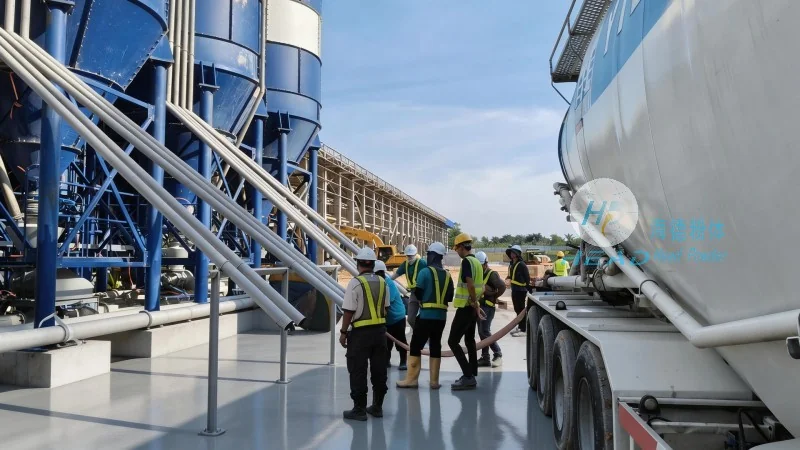
Pneumatic conveying is a widely used method for transporting sodium hydroxide powder due to its ability to handle fine powders over long distances. This system uses air pressure to move the powder through a pipeline. There are two main types of pneumatic conveying: pressure and vacuum systems. Pressure systems are suitable for short to medium distances and can handle higher volumes of material. Vacuum systems are ideal for longer distances and can transport material from multiple sources to a single destination. The choice between pressure and vacuum depends on the layout of the facility and the distance the powder needs to travel. Pneumatic conveying is particularly effective for sodium hydroxide because it minimizes the risk of dust exposure and contamination, which is critical when handling a caustic substance like sodium hydroxide.
Screw Conveyors
Screw conveyors, also known as auger conveyors, are another common method for transporting sodium hydroxide powder. These systems consist of a rotating screw inside a tube or trough, which moves the powder along the length of the conveyor. Screw conveyors are suitable for horizontal or slightly inclined transport and are ideal for handling bulk quantities of powder. They are particularly effective for sodium hydroxide because they can be designed to operate in a closed system, reducing dust and preventing the powder from coming into contact with the environment. This is important for maintaining the purity of the sodium hydroxide and ensuring safety in the workplace. Screw conveyors are also relatively simple to install and maintain, making them a cost-effective solution for many industrial applications.
Belt Conveyors

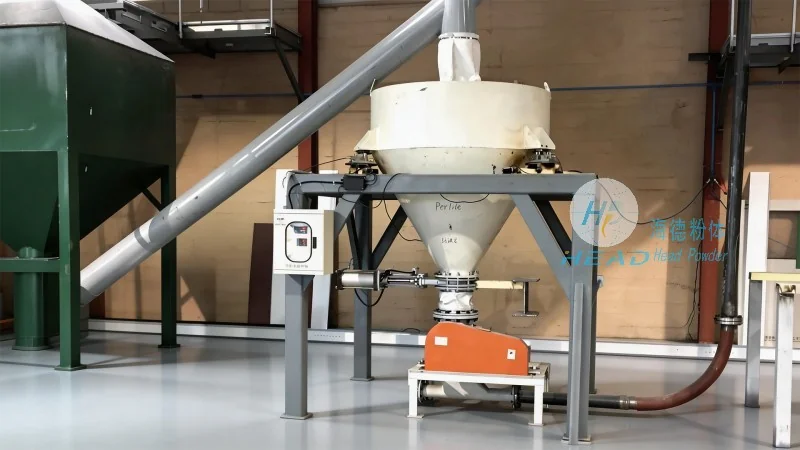
Belt conveyors are widely used in the transportation of sodium hydroxide powder, especially in large-scale operations. These systems use a continuous belt that moves the powder from one point to another. Belt conveyors are suitable for both horizontal and inclined transport and can handle a wide range of material volumes. They are particularly effective for sodium hydroxide because they can be designed with special materials to resist corrosion and chemical exposure. This is important because sodium hydroxide is a strong base and can cause corrosion to certain materials. Belt conveyors are also capable of transporting the powder at high speeds, which increases the efficiency of the production process. However, they require regular maintenance to ensure the belt remains in good condition and to prevent any damage to the material being transported.
Bucket Elevators
Bucket elevators are a vertical conveying method used for transporting sodium hydroxide powder from lower to higher levels. These systems consist of a series of buckets attached to a chain or belt that moves vertically. The buckets are filled with the powder at the bottom and then transported to the top, where the powder is discharged. Bucket elevators are ideal for vertical transport and can handle a large volume of material in a short amount of time. They are particularly effective for sodium hydroxide because they can be designed with a closed system, reducing dust and preventing contamination. This is crucial for maintaining the quality of the sodium hydroxide and ensuring safety in the workplace. Bucket elevators are also relatively quiet and can be integrated into existing production lines without major modifications.
Choosing the Right Transport Method
When selecting a method for transporting sodium hydroxide powder, several factors must be considered. These include the distance the powder needs to travel, the volume of material to be transported, the layout of the facility, and the specific properties of the sodium hydroxide. Pneumatic conveying is ideal for long distances and fine powders, while screw and belt conveyors are better suited for shorter distances and bulk quantities. Bucket elevators are perfect for vertical transport. It is also important to consider the cost of installation and maintenance, as well as the safety features required for handling a caustic substance like sodium hydroxide. Shandong HeadPowder Engineering Co., Ltd. offers expert consultation to help clients choose the most suitable transport method based on their specific needs, ensuring optimal performance and safety in their operations.