

How are Calcium Carbonate Conveyed?
When it comes to the efficient and reliable transportation of calcium carbonate, various methods are employed across different industrial applications. As a leading provider in the field, Shandong HeadPowder Engineering Co., Ltd. from China offers comprehensive solutions tailored to meet diverse operational needs. This article explores the common and effective ways of conveying calcium carbonate, highlighting the technical aspects and practical considerations for each method.
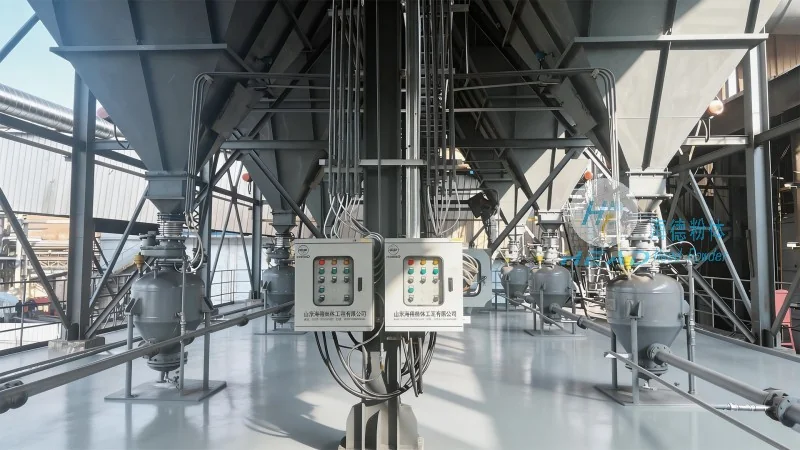
One of the most widely used methods for calcium carbonate conveyance is the pipeline conveying system. This approach involves transporting the material through a network of pipes, typically under pressure or using vacuum systems. The pipeline system is particularly suitable for continuous and high-volume operations, such as in the production of coatings, plastics, and paper. The design of the pipeline, including the selection of appropriate materials and the implementation of proper sealing mechanisms, is crucial to prevent material leakage and ensure consistent flow. Shandong HeadPowder Engineering Co., Ltd. specializes in designing and manufacturing custom pipeline solutions that can handle varying particle sizes and flow rates, ensuring optimal performance and durability.
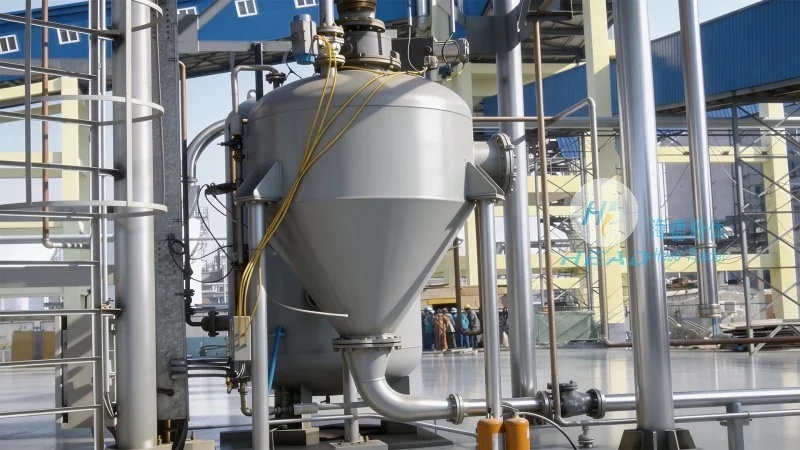
Another effective method is air-screw or pneumatic conveying. This technique utilizes compressed air to move calcium carbonate particles through a pipeline. The air-screw conveyor combines the benefits of both mechanical and pneumatic systems, offering flexibility in conveying distances and material handling. The system typically consists of a hopper, a screw conveyor, and a venturi or airlock to control the flow. Pneumatic conveying is especially advantageous for transporting fine powders or when the material needs to be transferred over longer distances without the need for multiple transfer points. The efficiency of this method depends on the air pressure, particle size, and the design of the conveying line. Shandong HeadPowder Engineering Co., Ltd. has extensive experience in implementing pneumatic conveying systems that ensure minimal product degradation and energy efficiency.
For applications requiring gentle handling of calcium carbonate, belt conveyors are often employed. These systems use a continuous belt to transport the material from one point to another. Belt conveyors are suitable for both dry and wet calcium carbonate, and they can handle a wide range of particle sizes. The design of the belt conveyor, including the type of belt material, the speed, and the inclination angle, is critical to prevent material spillage and ensure smooth operation. Shandong HeadPowder Engineering Co., Ltd. provides customized belt conveyor solutions that can be integrated into existing production lines, enhancing overall productivity and safety.
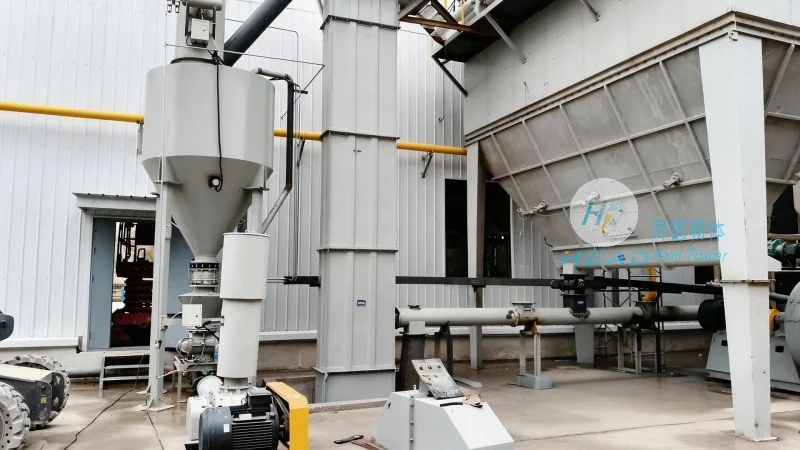
In some cases, bucket elevators are used for vertical or inclined transport of calcium carbonate. This method involves a series of buckets attached to a chain or belt that moves vertically or at an angle. Bucket elevators are ideal for transporting materials over vertical distances, such as in storage silos or processing plants. The design of the elevator, including the bucket size and spacing, affects the capacity and efficiency of the system. Shandong HeadPowder Engineering Co., Ltd. offers robust bucket elevator solutions that can handle heavy loads and ensure reliable vertical transport of calcium carbonate.
Additionally, troughed belt conveyors are utilized for transporting calcium carbonate in bulk quantities. These conveyors use a troughed belt to carry the material, which helps in maintaining the material's position and preventing spillage. Troughed belt conveyors are commonly used in the mining and chemical industries for transporting raw materials, including calcium carbonate. The design of the trough, the belt tension, and the speed are key factors that influence the performance of the system. Shandong HeadPowder Engineering Co., Ltd. specializes in designing and installing troughed belt conveyors that can handle high capacities and ensure consistent material flow.
Each conveying method has its advantages and limitations, and the choice of the most suitable system depends on factors such as the material properties, the required capacity, the distance to be covered, and the operational environment. Shandong HeadPowder Engineering Co., Ltd. works closely with clients to assess their specific needs and recommend the most appropriate conveying solution. By leveraging their expertise in engineering and manufacturing, the company ensures that the selected system is not only efficient but also cost-effective and reliable.
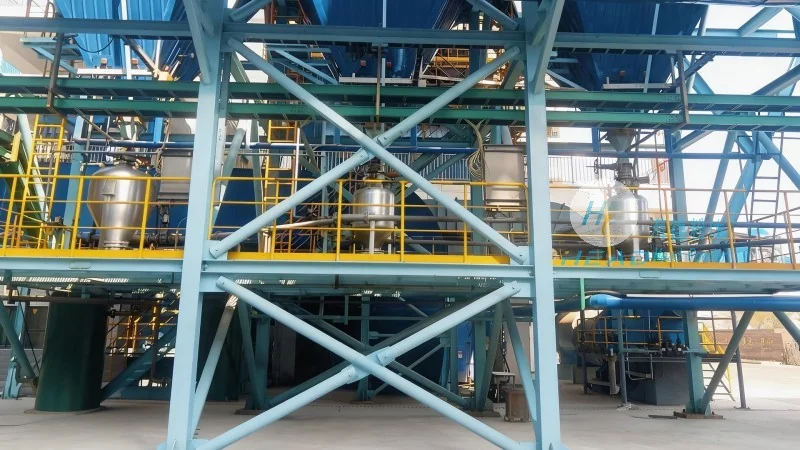
Whether it's pipeline conveying, pneumatic systems, belt conveyors, bucket elevators, or troughed belt conveyors, Shandong HeadPowder Engineering Co., Ltd. provides comprehensive support from design and installation to maintenance and troubleshooting. The company's commitment to quality and customer satisfaction has made it a trusted partner for businesses seeking reliable calcium carbonate conveying solutions. With their headquarters in Shandong, China, Shandong HeadPowder Engineering Co., Ltd. continues to innovate and deliver cutting-edge solutions that meet the evolving demands of the industry.