

Comparison of Common Coal Powder Conveying Methods
Coal powder conveying is a critical process in industrial applications, particularly in power plants, cement factories, and other facilities that handle bulk solid materials. The efficiency and reliability of the conveying system directly impact production efficiency, safety, and operational costs. Various methods are employed to transport coal powder, each with distinct characteristics, advantages, and limitations. This article provides a detailed comparison of common coal powder conveying methods, focusing on their operational principles, applications, and key considerations.

Positive Pressure Pneumatic Conveying
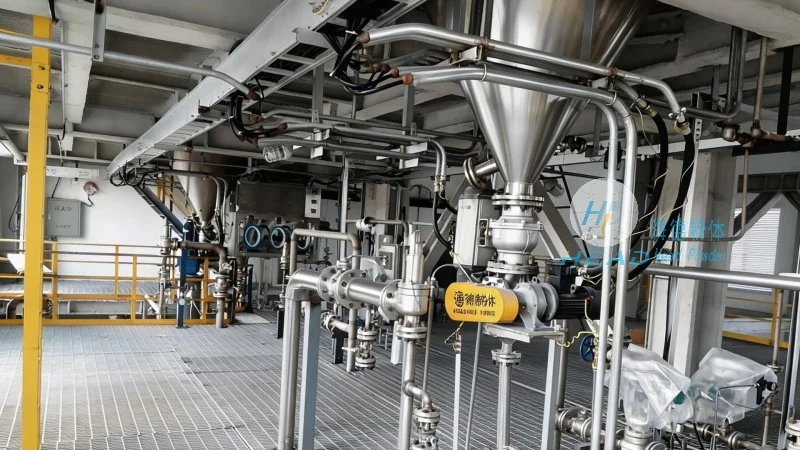
Positive pressure pneumatic conveying systems operate by blowing air or gas under pressure into a pipeline to transport solid particles. This method is widely used for short to medium-distance conveying of coal powder. The system typically includes a blower, a hopper, and a pipeline network. The primary advantage of positive pressure systems is their ability to handle abrasive materials and prevent dust leakage, as the air is forced through the pipeline. However, they may require more energy compared to other methods and can be less suitable for long-distance applications due to pressure drop and air consumption issues. The conveying velocity and pressure are carefully controlled to ensure stable material flow and prevent blockages. Shandong HeadPowder Engineering Co., Ltd. specializes in designing and manufacturing positive pressure conveying systems tailored to specific industrial needs, ensuring optimal performance and durability.
Negative Pressure Pneumatic Conveying
Negative pressure pneumatic conveying, also known as vacuum conveying, uses a vacuum pump to create a pressure differential that draws coal powder from a source into a collection system. This method is ideal for long-distance or high-rise conveying, as it can handle longer pipelines without significant pressure loss. The system is often used in applications where dust control is a priority, as the material is drawn into a sealed container. Negative pressure systems are generally more energy-efficient for long distances but may be less effective for abrasive or sticky materials, as the vacuum can cause material degradation or blockages. The design of the vacuum pump and the pipeline layout is crucial for maintaining consistent flow rates and preventing air leakage. Shandong HeadPowder Engineering Co., Ltd. offers advanced negative pressure conveying solutions that enhance material handling efficiency and reduce operational costs.
Screw Conveying
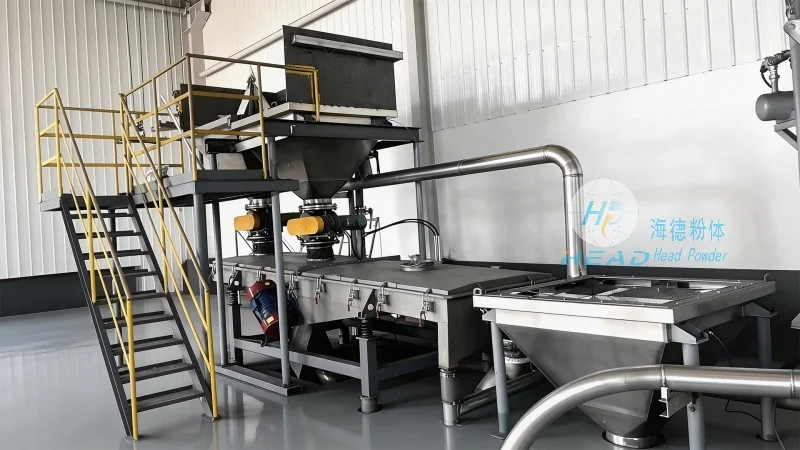
Screw conveying, or auger conveying, uses a rotating screw within a tube to move coal powder. This method is suitable for horizontal or slightly inclined conveying over short to medium distances. The screw design, including the pitch and diameter, determines the conveying capacity and pressure drop. Screw conveyors are relatively simple in structure, making them cost-effective and easy to maintain. However, they are not suitable for abrasive materials, as the screw and tube can wear quickly. Additionally, they may not handle large particles or sticky materials well, as the screw can become clogged. The system is commonly used in applications where the material is to be mixed or processed before further handling. Shandong HeadPowder Engineering Co., Ltd. provides customized screw conveyor systems that meet specific operational requirements, ensuring reliable and efficient material transport.
Belt Conveying
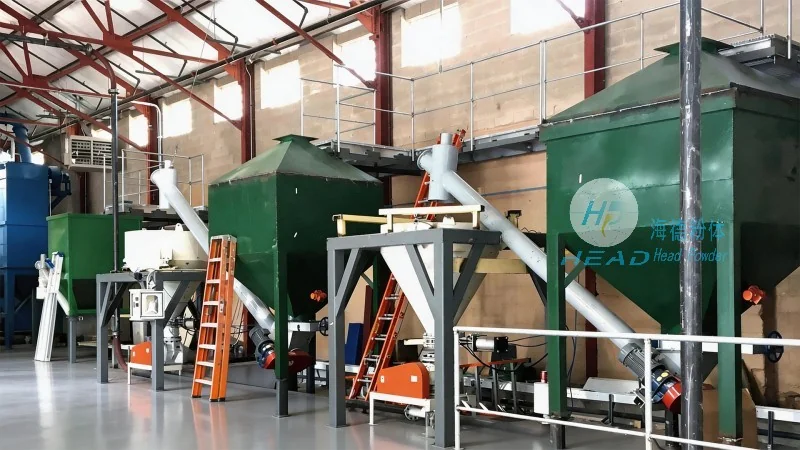
Belt conveying uses a continuous belt to transport coal powder, typically in horizontal or slightly inclined configurations. This method is widely used for long-distance and high-capacity conveying, such as in mining and bulk material handling. The belt is supported by rollers and guided by idlers, ensuring smooth and consistent material movement. Belt conveyors are highly efficient for large volumes and can handle a wide range of particle sizes. However, they require regular maintenance to prevent belt slip or wear, and they may not be suitable for dusty or abrasive materials, as the belt can degrade over time. The system is often integrated with other equipment, such as feeders and elevators, to form a complete material handling system. Shandong HeadPowder Engineering Co., Ltd. specializes in designing and installing belt conveying systems that enhance productivity and reduce downtime in industrial operations.
Conclusion and Company Overview
Choosing the appropriate coal powder conveying method depends on various factors, including the distance, material characteristics, and operational requirements. Each method has its strengths and limitations, and the selection should be based on a thorough analysis of the specific application. Shandong HeadPowder Engineering Co., Ltd., located in Shandong, China, is a leading provider of coal powder conveying solutions. The company offers a range of advanced systems, including positive and negative pressure pneumatic conveying, screw conveyors, and belt conveyors, designed to meet the diverse needs of industrial clients. With a focus on quality, efficiency, and customer satisfaction, Shandong HeadPowder Engineering Co., Ltd. ensures that its products are reliable, durable, and cost-effective, contributing to improved operational performance and reduced maintenance costs for its clients.