

Common Rubber Granule Conveying Methods: A Comparison of Advantages and Disadvantages
When handling rubber granules in industrial applications, selecting the right conveying method is crucial for efficiency, cost-effectiveness, and operational safety. This article provides a detailed comparison of common rubber granule conveying methods, highlighting their advantages and disadvantages to help industrial operators make informed decisions. The information is presented by Shandong HeadPowder Engineering Co., Ltd., a leading manufacturer based in Shandong, China.
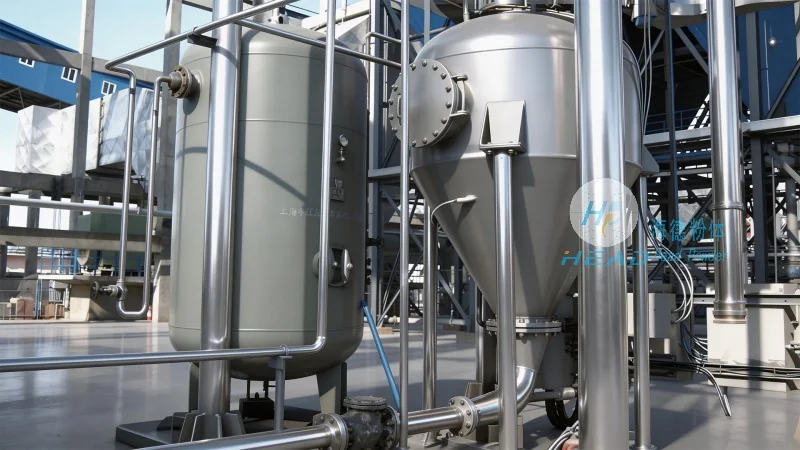
Gravity Conveying Systems for Rubber Granules
Gravity conveying systems utilize the natural force of gravity to move rubber granules from one point to another. These systems typically consist of sloped chutes or troughs that allow the material to flow downward under the influence of gravity. The primary advantage of gravity conveying is its low operational cost, as it requires minimal energy input and has no moving parts that need maintenance. This makes it an ideal choice for applications where the material is located at a higher elevation and can flow freely without the need for external power.
However, gravity conveying has significant limitations. It is only suitable for materials with sufficient mass and angle of repose to ensure smooth flow. If the rubber granules are too fine or have a low angle of repose, the system may experience blockages or uneven flow. Additionally, gravity conveying is limited by the vertical and horizontal distance between the start and end points, as the slope must be steep enough to overcome friction and maintain flow. For long horizontal distances or when the material needs to be lifted, gravity conveying is not feasible.
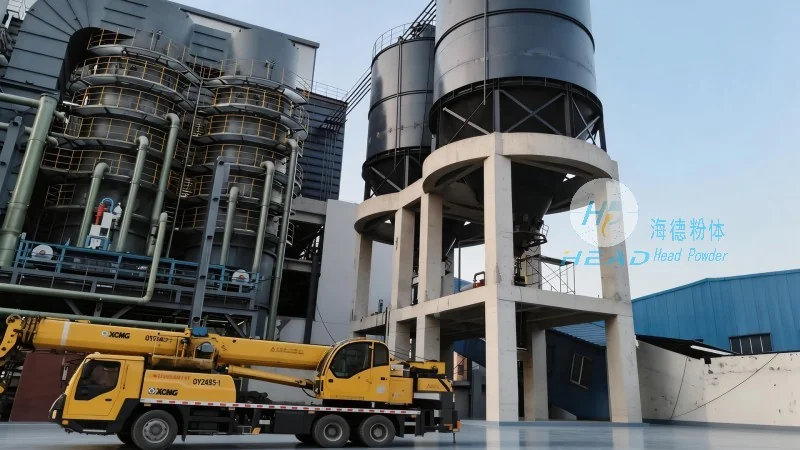
Mechanical Conveying Methods: Belt Conveyors and Screw Conveyors
Mechanical conveying methods, such as belt conveyors and screw conveyors, are widely used in rubber granule handling due to their reliability and ability to handle a wide range of material types. Belt conveyors use a continuous loop of belt that moves over rollers or pulleys to transport rubber granules. These systems are capable of handling large volumes of material and can operate over long distances, making them suitable for both horizontal and inclined applications. The main advantage of belt conveyors is their high capacity and durability, as they can withstand heavy loads and harsh environments. They are also relatively easy to install and maintain, with minimal downtime for repairs.
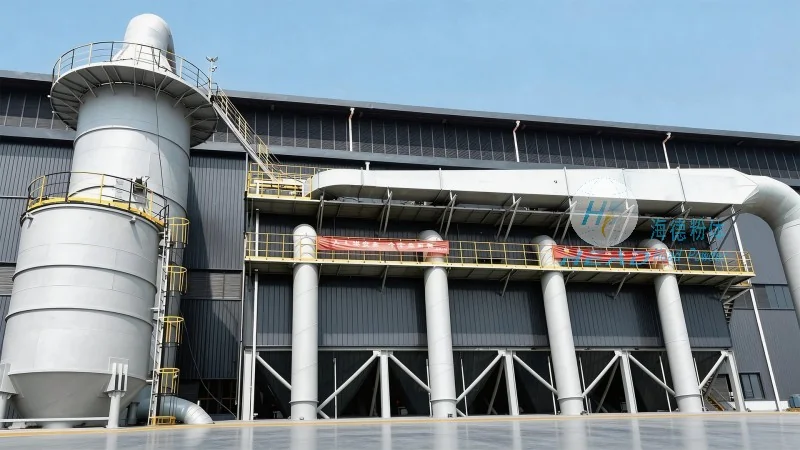
However, belt conveyors have some drawbacks. They require regular maintenance to ensure the belt remains tensioned and free from damage, as a loose or damaged belt can lead to material spillage or system failure. Additionally, belt conveyors are not suitable for conveying abrasive materials, as the belt and rollers can wear out quickly. Screw conveyors, on the other hand, use a rotating screw to push rubber granules through a tube or trough. These systems are compact and can handle fine or sticky materials, as the screw can break up clumps and ensure smooth flow. The primary advantage of screw conveyors is their ability to handle vertical and horizontal movement in a single unit, making them ideal for applications where space is limited. However, screw conveyors have a lower capacity compared to belt conveyors and are more prone to clogging with fibrous or abrasive materials.
Pneumatic Conveying Systems
Pneumatic conveying systems use air pressure to transport rubber granules through a pipeline. These systems can be either positive pressure (where air is blown into the line) or negative pressure (where air is sucked out). The main advantage of pneumatic conveying is its ability to handle fine or dusty materials, as the air flow prevents blockages and ensures consistent flow. It is also suitable for applications where the material needs to be transported over long distances or through obstacles, as the pipeline can be routed around equipment or structures. Pneumatic conveying is particularly effective for handling rubber granules that are too fine for mechanical conveying or gravity systems.
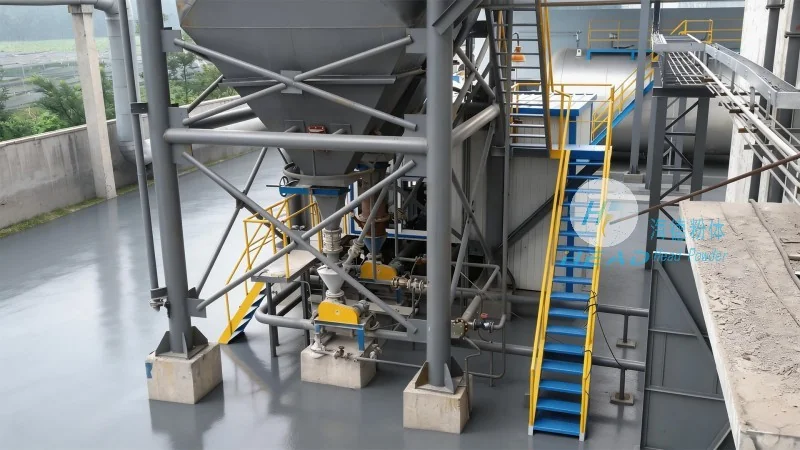
However, pneumatic conveying has significant disadvantages. It requires a high volume of air, which increases energy consumption and operating costs. The system also needs to be properly sealed to prevent air leakage and material loss. Additionally, pneumatic conveying can be noisy and may require additional filtration to remove dust from the air. For abrasive or sticky rubber granules, the pipeline and components may wear out quickly, leading to frequent maintenance and replacement.
When selecting a rubber granule conveying method, industrial operators must consider several factors, including the material's properties (such as size, density, and angle of repose), the distance and elevation between the start and end points, and the available budget for installation and maintenance. Gravity conveying is ideal for simple, low-cost applications where the material can flow freely. Mechanical conveyors are suitable for high-volume, reliable operations, while pneumatic systems are best for fine or difficult-to-handle materials. By understanding the advantages and disadvantages of each method, operators can choose the most appropriate conveying system to optimize their industrial processes and ensure efficient rubber granule handling.