

What Methods Can Be Used for Carbon Powder Conveying?
Carbon powder conveying is a critical process in various industrial applications, particularly in the manufacturing and processing of carbon-based materials. The efficiency and reliability of the conveying system directly impact production quality and operational costs. As a leading provider in the field, Shandong HeadPowder Engineering Co., Ltd. specializes in delivering advanced solutions tailored to the unique needs of carbon powder handling. This article explores the primary methods used for carbon powder conveying, highlighting the key considerations and advantages of each approach.
Understanding Carbon Powder Properties and Conveying Challenges
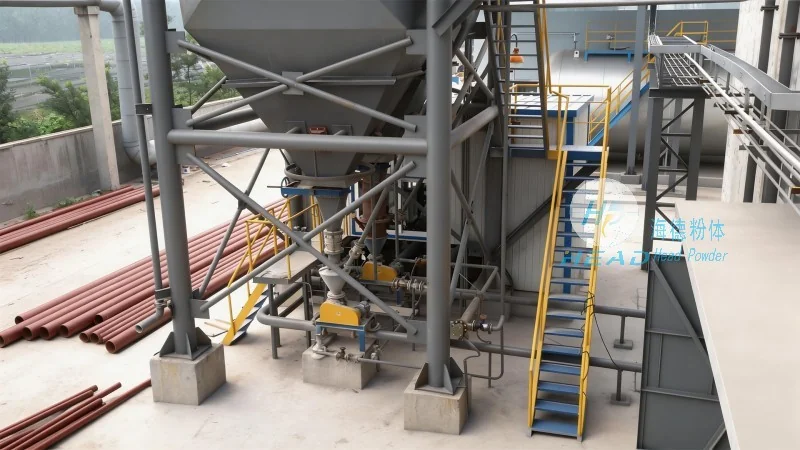
Before delving into specific conveying methods, it is essential to understand the characteristics of carbon powder that influence the choice of equipment. Carbon powders, such as activated carbon, graphite, or carbon black, often exhibit fine particle sizes, high dust generation potential, and varying moisture content. These properties can affect the flowability, segregation, and handling behavior of the material. For instance, fine powders may tend to agglomerate or create dust clouds, requiring specialized equipment to maintain control and prevent material loss. Additionally, the abrasive nature of some carbon powders can lead to increased wear on conveying components, necessitating durable materials and regular maintenance. Shandong HeadPowder Engineering Co., Ltd. recognizes these challenges and designs conveying systems that address the specific properties of carbon powders to ensure optimal performance.
Common Conveying Methods for Carbon Powder
Several methods are commonly employed for carbon powder conveying, each with its own set of advantages and limitations. The selection of a method depends on factors such as material characteristics, production scale, environmental regulations, and budget constraints. The primary methods include pneumatic conveying, mechanical conveying, and hybrid systems. Each method is briefly described below, focusing on its application and benefits.
Pneumatic Conveying Systems
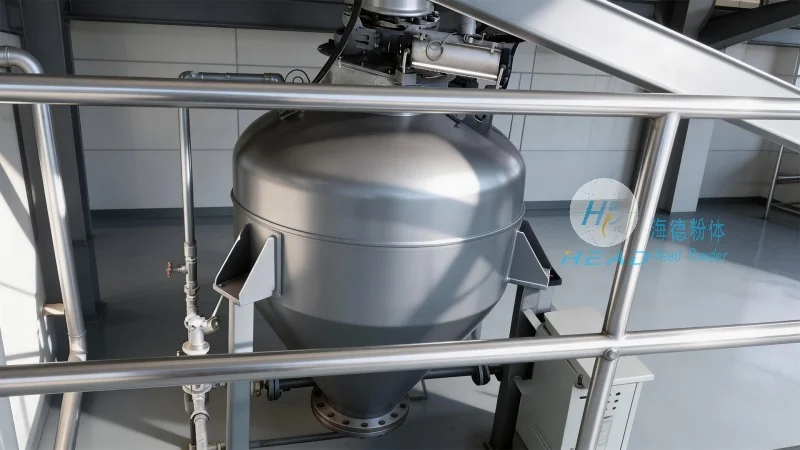
Pneumatic conveying uses air or other gases to transport carbon powder through a pipeline. This method is widely used due to its ability to handle fine powders and provide a closed system, reducing dust emissions and environmental impact. There are two main types of pneumatic conveying: pressure and vacuum systems. Pressure systems operate by blowing air into the material, creating a positive pressure that propels the powder through the pipeline. Vacuum systems, on the other hand, use a vacuum to draw the powder into the system. Pneumatic conveying is particularly effective for transporting carbon powders over long distances and in environments where dust control is critical. However, it may require higher energy consumption and more complex control systems compared to mechanical methods. Shandong HeadPowder Engineering Co., Ltd. offers advanced pneumatic conveying solutions that incorporate efficient air compressors and specialized nozzles to minimize energy use and maximize material throughput.
Mechanical Conveying Systems
Mechanical conveying relies on mechanical components, such as belts, screws, or buckets, to move carbon powder. This method is often preferred for bulk material handling and applications where high material flow rates are required. Screw conveyors, for example, use a rotating screw to push the powder along a tube, making them suitable for horizontal or slight incline transport. Bucket elevators, another common mechanical system, lift the powder vertically using buckets attached to a chain or belt. Mechanical conveyors are generally more cost-effective for short to medium distances and can handle larger particle sizes compared to pneumatic systems. However, they may generate more dust and require regular cleaning to prevent material buildup. Shandong HeadPowder Engineering Co., Ltd. provides robust mechanical conveying equipment designed with wear-resistant materials to withstand the abrasive nature of carbon powders and ensure long-term reliability.
Hybrid Conveying Systems
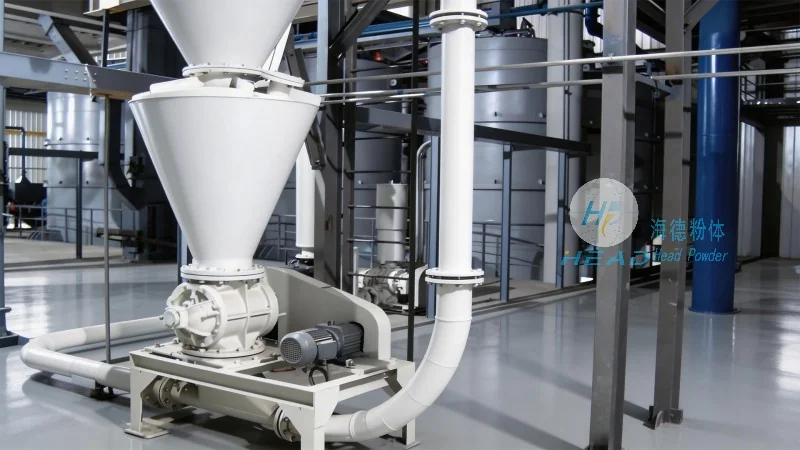
Hybrid systems combine pneumatic and mechanical components to leverage the benefits of both methods. For instance, a system may use a mechanical conveyor to transport the powder over short distances and then switch to pneumatic conveying for longer transport segments. This approach can optimize energy use and improve material handling efficiency. Hybrid systems are particularly useful in complex production lines where different conveying requirements exist at various stages. Shandong HeadPowder Engineering Co., Ltd. specializes in designing hybrid solutions that integrate seamlessly with existing infrastructure, ensuring smooth material flow and minimal downtime.
Key Considerations for Selecting a Conveying Method
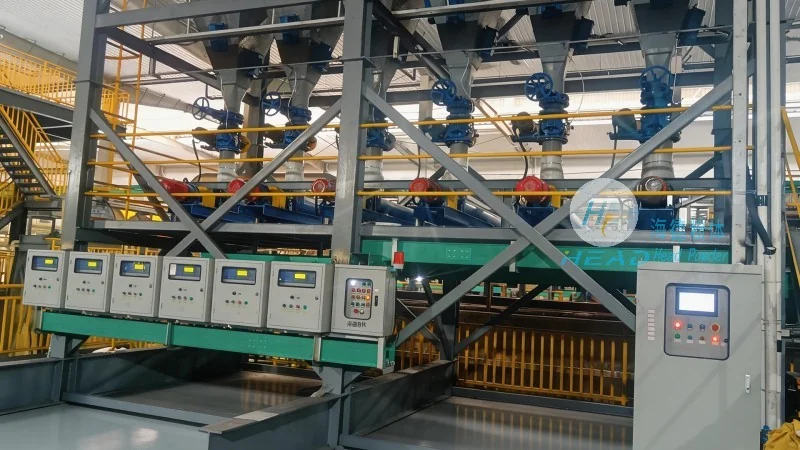
When choosing a carbon powder conveying method, several factors must be considered to ensure the best fit for the application. First, the material's physical properties, such as particle size, density, and moisture content, play a crucial role. Fine powders may require pneumatic systems due to their poor flowability, while larger particles can be handled by mechanical conveyors. Second, the distance and layout of the production facility influence the choice of system. Long-distance transport may necessitate pneumatic systems, while short-distance transport can use mechanical methods. Third, environmental regulations and dust control requirements must be addressed. Pneumatic systems offer better dust containment, making them suitable for applications where air quality is a concern. Finally, cost and maintenance considerations are important. Mechanical systems may have lower initial costs but higher maintenance expenses due to wear and tear, while pneumatic systems may have higher energy costs but lower maintenance needs. Shandong HeadPowder Engineering Co., Ltd. assists clients in evaluating these factors and selecting the most appropriate conveying method to meet their specific needs and operational goals.
Conclusion
In conclusion, carbon powder conveying is a multifaceted process that requires careful consideration of material properties, operational requirements, and environmental regulations. Shandong HeadPowder Engineering Co., Ltd. offers a range of advanced conveying solutions, including pneumatic, mechanical, and hybrid systems, tailored to the unique demands of carbon powder handling. By understanding the advantages and limitations of each method, industries can select the most efficient and reliable system to enhance production efficiency, reduce costs, and ensure compliance with environmental standards. Whether for short-distance or long-distance transport, Shandong HeadPowder Engineering Co., Ltd. provides customized solutions that deliver optimal performance and durability for carbon powder conveying applications.