Công ty TNHH Kỹ thuật Headpowder Sơn Đông chuyên vận chuyển khí nén bột và hạt. Nhờ thế mạnh hợp tác doanh nghiệp‑trường‑viện, chúng tôi cung cấp giải pháp vận chuyển kín, không bụi, độ chính xác cao.
Vinyl ester resins are widely used in various industrial applications due to their excellent chemical resistance, high strength, and durability. The efficient and reliable delivery of these resins is crucial for ensuring optimal performance in manufacturing processes. This article, presented by Shandong HeadPowder Engineering Co., Ltd., provides a detailed comparison of common vinyl ester resin delivery methods, highlighting their advantages and disadvantages to help industrial users make informed decisions.
1. Pumping Systems: The Most Common and Versatile Option
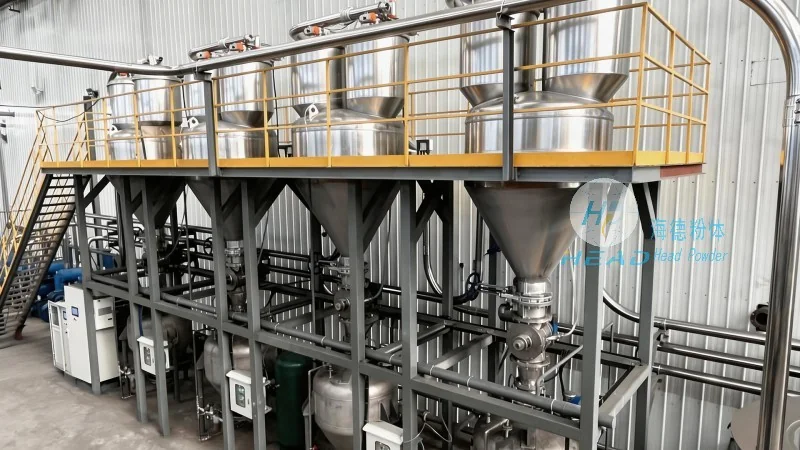
Pumping systems are the most prevalent method for delivering vinyl ester resins in industrial settings. These systems typically utilize positive displacement pumps, such as gear pumps or progressing cavity pumps, which are capable of handling the high viscosity of vinyl ester resins. The primary advantage of pumping systems is their ability to maintain consistent pressure and flow rates, ensuring smooth and continuous resin delivery. This is particularly important in applications requiring precise resin-to-hardener ratios, such as in composite manufacturing.
However, pumping systems also have some drawbacks. They require regular maintenance to prevent wear and tear, especially when handling abrasive or high-viscosity resins. Additionally, the initial investment cost for a pumping system can be relatively high compared to other delivery methods. Furthermore, the risk of air entrapment or contamination is higher with pumping systems if proper filtration and sealing are not implemented.
2. Gravity Flow Systems: Cost-Effective and Simple
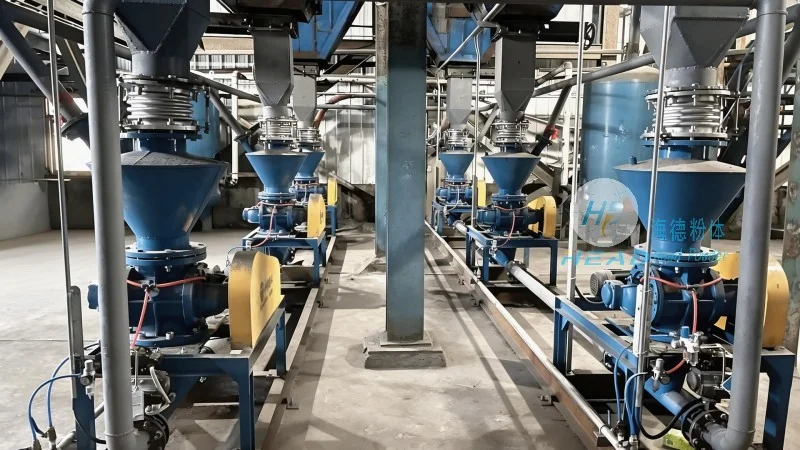
Gravity flow systems are a cost-effective alternative to pumping systems, particularly for applications where the resin is stored at a higher elevation than the point of use. These systems rely on the natural force of gravity to move the resin from the storage tank to the processing equipment. The main advantage of gravity flow is its simplicity and low operational cost, as it eliminates the need for pumps and associated power sources. This makes it an attractive option for small-scale or low-volume operations.
Nevertheless, gravity flow systems have significant limitations. The most critical drawback is the dependency on the vertical distance between the storage tank and the processing equipment. If the elevation is insufficient, the resin may not flow adequately, leading to uneven delivery or clogging. Additionally, gravity flow systems are not suitable for high-viscosity resins or those that require precise control over flow rates. The lack of pressure control also makes it challenging to maintain consistent resin delivery in dynamic production environments.
3. Pneumatic Conveying Systems: Ideal for Powdered Resins
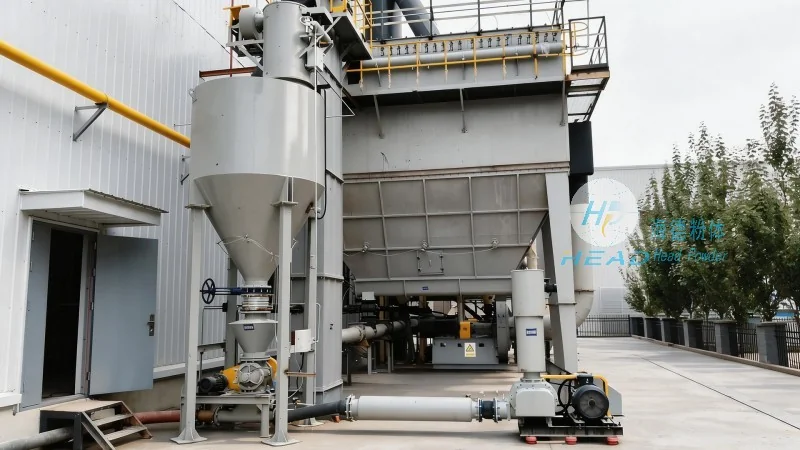
Pneumatic conveying systems are commonly used for delivering powdered vinyl ester resins, especially in applications where the resin is in a dry, granular form. These systems utilize compressed air to transport the resin particles through a pipeline to the processing area. The primary advantage of pneumatic conveying is its ability to handle dry resins without the need for additional mixing or heating. This method is particularly effective for resins that are sensitive to moisture or heat, as it minimizes exposure to these elements.
However, pneumatic conveying systems have several disadvantages. The most significant issue is the high energy consumption required to operate the system, as compressed air is continuously used to move the resin. Additionally, the system is prone to particle segregation and blockages if the resin particles are not properly sized or if the air flow is not optimized. The risk of dust explosion is also a concern in pneumatic conveying systems, especially when handling flammable or reactive resins. Proper explosion-proof design and regular maintenance are essential to mitigate these risks.
4. Comparison Summary and Recommendations
When selecting a vinyl ester resin delivery method, industrial users must consider several factors, including the resin's viscosity, the required flow rate, the operational scale, and the available budget. Pumping systems offer the best control and reliability for most applications, making them suitable for high-volume or precision manufacturing. Gravity flow systems are ideal for low-cost, low-viscosity resins in small-scale operations. Pneumatic conveying is best suited for powdered resins, particularly in applications where moisture or heat sensitivity is a concern.
For optimal performance and reliability, it is recommended to choose a delivery system that matches the specific requirements of the resin and the production process. Regular maintenance and proper installation are also critical to ensure the longevity and efficiency of the system. Shandong HeadPowder Engineering Co., Ltd. specializes in providing tailored resin delivery solutions to meet diverse industrial needs, ensuring that clients can select the most appropriate method for their applications while maximizing operational efficiency and safety.

 Shandong Headpowder Engineering Co., Ltd.
 156-6277-7102(Quản lý Trương)
  0531-83386006
  Thành phố Tế Nam, Tỉnh Sơn Đông, Trung Quốc
Điện thoại
WeChatTư vấn
Lên đầu