

Polyethylene Powder Conveying Methods: An Overview of Pneumatic Conveying Advantages and Features
For industries dealing with polyethylene powder, selecting the right conveying method is crucial for efficiency, safety, and cost-effectiveness. Among the various options available, pneumatic conveying stands out as a preferred solution due to its versatility and effectiveness in handling fine powders like polyethylene. This article explores the different polyethylene powder conveying methods and highlights the key advantages and features of pneumatic conveying, as presented by Shandong HeadPowder Engineering Co., Ltd., a leading provider based in Shandong, China, specializing in engineering solutions for powder handling.
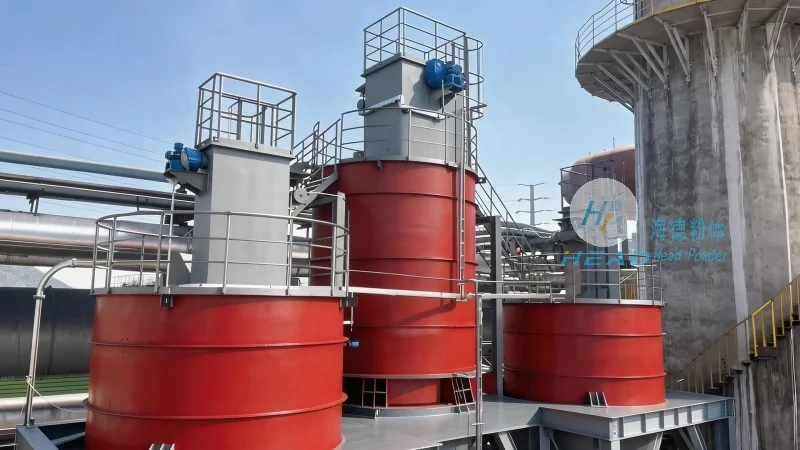
Common Polyethylene Powder Conveying Methods
Before delving into the specifics of pneumatic conveying, it's essential to understand the primary methods used for transporting polyethylene powder. These methods can be broadly categorized into mechanical and pneumatic systems, each with its own set of applications and limitations.
Mechanical Conveying Systems
Mechanical conveying systems rely on physical components such as belts, screws, and buckets to move polyethylene powder. These systems are often used for short to medium distances and are suitable for bulk materials that are not too fine or abrasive. However, they may face challenges when dealing with polyethylene powder, which can be prone to caking or bridging, potentially leading to blockages and operational inefficiencies. Additionally, mechanical systems may require more maintenance and have higher energy consumption compared to pneumatic alternatives.
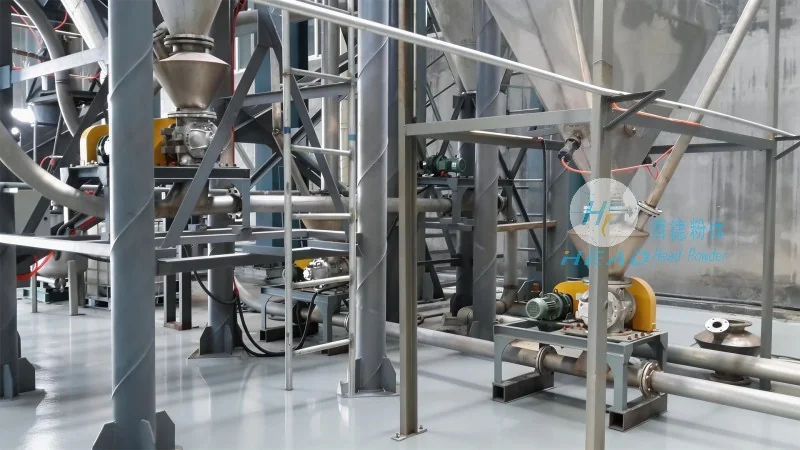
Pneumatic Conveying Systems
Pneumatic conveying, on the other hand, uses air or other gases to transport polyethylene powder through a pipeline. This method offers several advantages, particularly for fine powders that are difficult to handle with mechanical systems. Pneumatic conveying is known for its ability to handle polyethylene powder in a closed system, minimizing dust emissions and improving safety in the workplace. It also allows for flexible routing and can transport materials over longer distances with relatively low energy consumption.
Advantages of Pneumatic Conveying for Polyethylene Powder
Shandong HeadPowder Engineering Co., Ltd. emphasizes that pneumatic conveying provides several key advantages for polyethylene powder handling. One of the most significant benefits is the ability to maintain a clean and dust-free environment. Unlike mechanical systems that may generate dust during operation, pneumatic conveying keeps the powder contained within the pipeline, reducing the risk of contamination and improving product quality. This is particularly important for polyethylene powder, which is often used in applications where purity is critical, such as in the production of plastics and coatings.
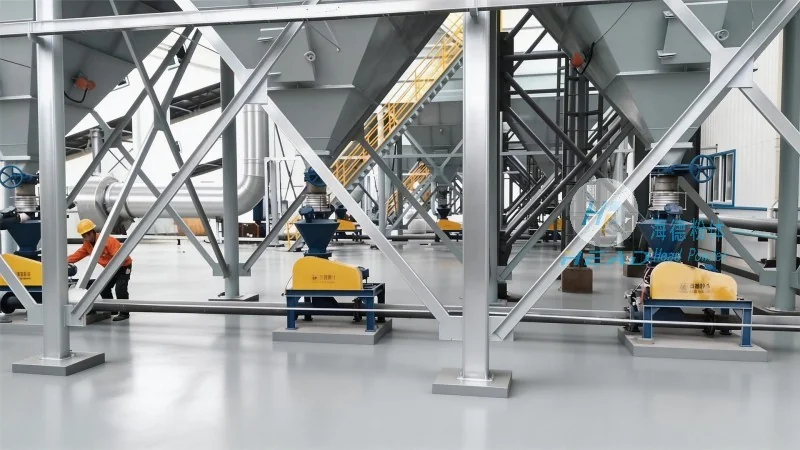
Another advantage is the efficiency in handling fine and abrasive powders. Polyethylene powder can be challenging to transport due to its fine particle size and potential for caking. Pneumatic systems use air pressure to move the powder, preventing blockages and ensuring smooth operation. This results in higher throughput and reduced downtime compared to mechanical systems. Moreover, pneumatic conveying can handle varying particle sizes and moisture content, making it a versatile solution for different polyethylene powder applications.
Key Features of Pneumatic Conveying Systems
When considering pneumatic conveying for polyethylene powder, several key features should be evaluated. The first is the type of pneumatic system, which can be classified as pressure or vacuum. Pressure systems use compressed air to push the powder through the pipeline, while vacuum systems use a vacuum to pull the powder. The choice between these systems depends on the distance, height, and material characteristics. For polyethylene powder, pressure systems are often preferred as they can handle longer distances and higher elevations more effectively.
Another important feature is the design of the pipeline and components. Pneumatic conveying systems require specialized pipelines, such as flexible hoses or rigid pipes, that are resistant to the abrasive nature of polyethylene powder. The use of materials like stainless steel or high-grade plastics ensures durability and prevents corrosion. Additionally, the system should include proper filtration and separation equipment to prevent powder buildup and maintain consistent performance.
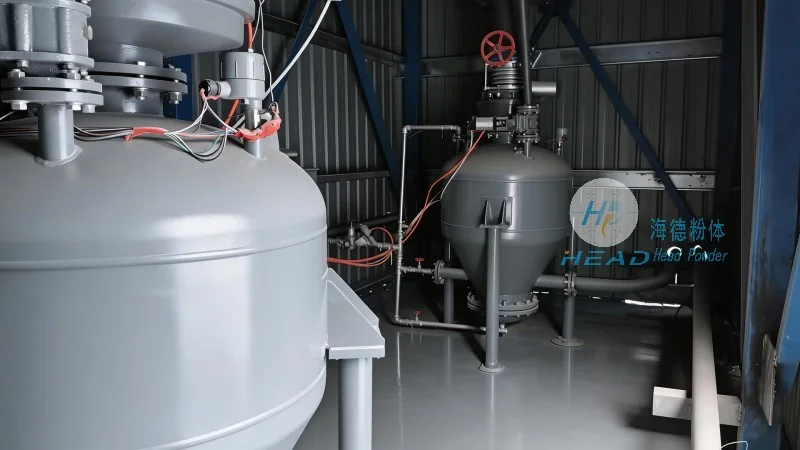
Application Examples of Pneumatic Conveying for Polyethylene Powder
Shandong HeadPowder Engineering Co., Ltd. has successfully implemented pneumatic conveying systems in various applications involving polyethylene powder. For instance, in the plastics manufacturing industry, pneumatic conveying is used to transport polyethylene resin from storage silos to processing machines. This ensures a continuous and controlled supply of material, reducing the risk of interruptions in production. In the chemical industry, pneumatic conveying is employed to move polyethylene powder from reactors to storage tanks, maintaining the integrity of the material and preventing contamination.
In the food and pharmaceutical sectors, where polyethylene powder is used as an additive or filler, pneumatic conveying is essential for maintaining product purity and compliance with safety regulations. The closed system design of pneumatic conveying minimizes exposure to contaminants and ensures that the powder remains in a controlled environment throughout the transport process.
Conclusion
When evaluating polyethylene powder conveying methods, pneumatic conveying emerges as a superior choice for many applications due to its efficiency, safety, and versatility. Shandong HeadPowder Engineering Co., Ltd. specializes in providing customized pneumatic conveying solutions tailored to the specific needs of polyethylene powder handling. By leveraging the advantages of pneumatic systems, industries can improve operational efficiency, reduce costs, and ensure product quality. As a leading provider in the field, HeadPowder continues to innovate and deliver reliable solutions for polyethylene powder conveying, supporting the growth and success of its clients.